
AIR
Air Freight Forwarding
Time-critical and high-value cargo on established airline and handling partners, with chargeable weight, screening and documents confirmed before booking.
Coordinating global freight with precision.
International freight forwarding · New York
Air, ocean, rail and road freight, customs, warehousing and return logistics, planned around your delivery date and monitored around the clock until it arrives.
Who we are
NLP Global Freight plans and manages international freight for industrial and corporate supply chains. Founded in New York in 2025, the company is built on more than 50 years of combined experience in freight forwarding, transportation management and global supply chains.
We work across air, ocean, rail and road, and one team stays accountable for each shipment from pickup to final delivery: the plan, the documentation and every handover in between.
As a non-asset forwarder, we select the carrier, mode and schedule that best fit each shipment and its delivery date.
Return logistics & asset recovery
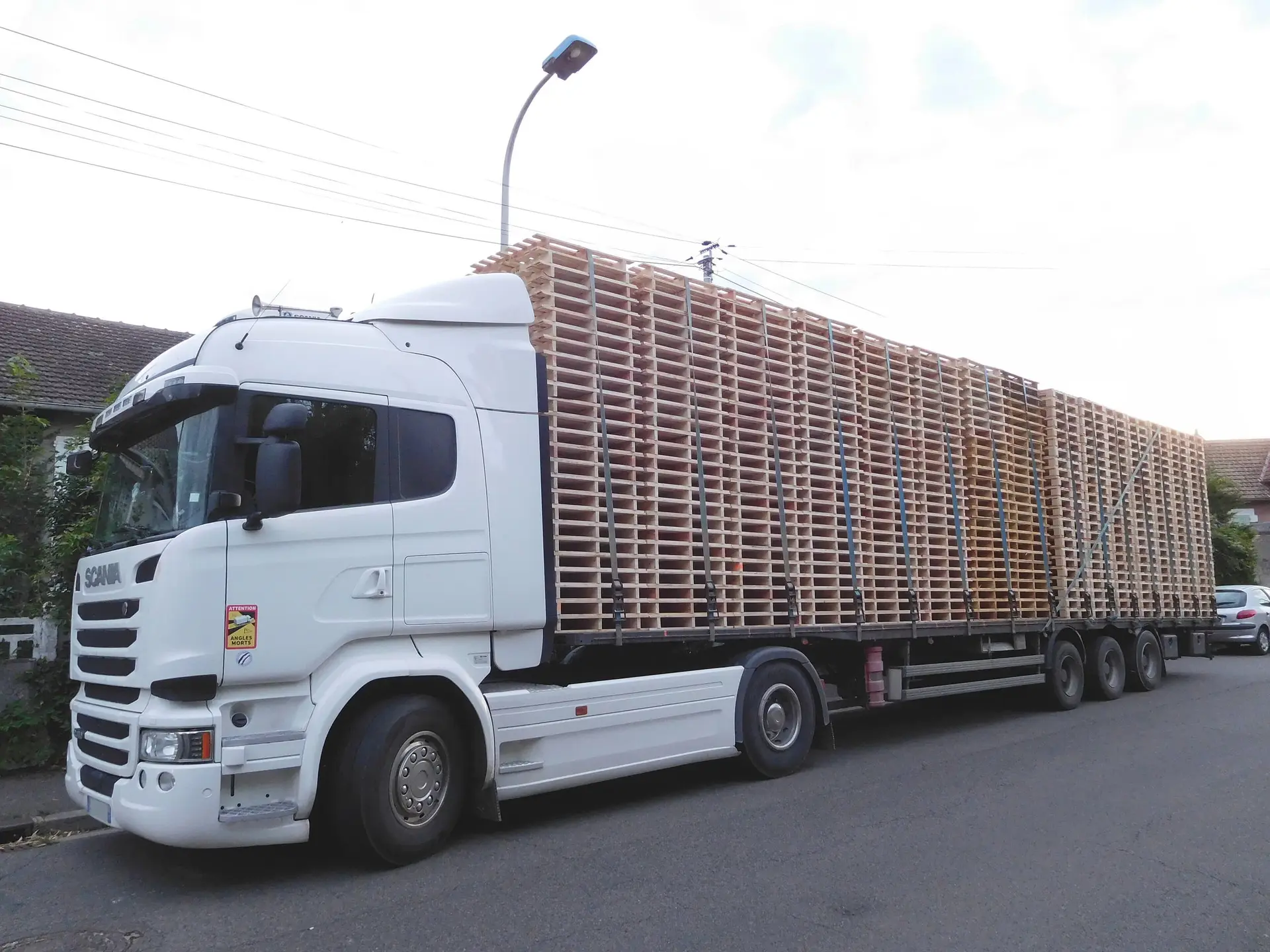
Pallets, racks, returnable packaging and returned goods are recovered on a planned, consolidated schedule, reducing losses and the cost of replacing them.
Core freight
We book the right capacity for every leg and manage each handover, so the whole movement runs to a single plan.
AIR
Time-critical and high-value cargo on established airline and handling partners, with chargeable weight, screening and documents confirmed before booking.
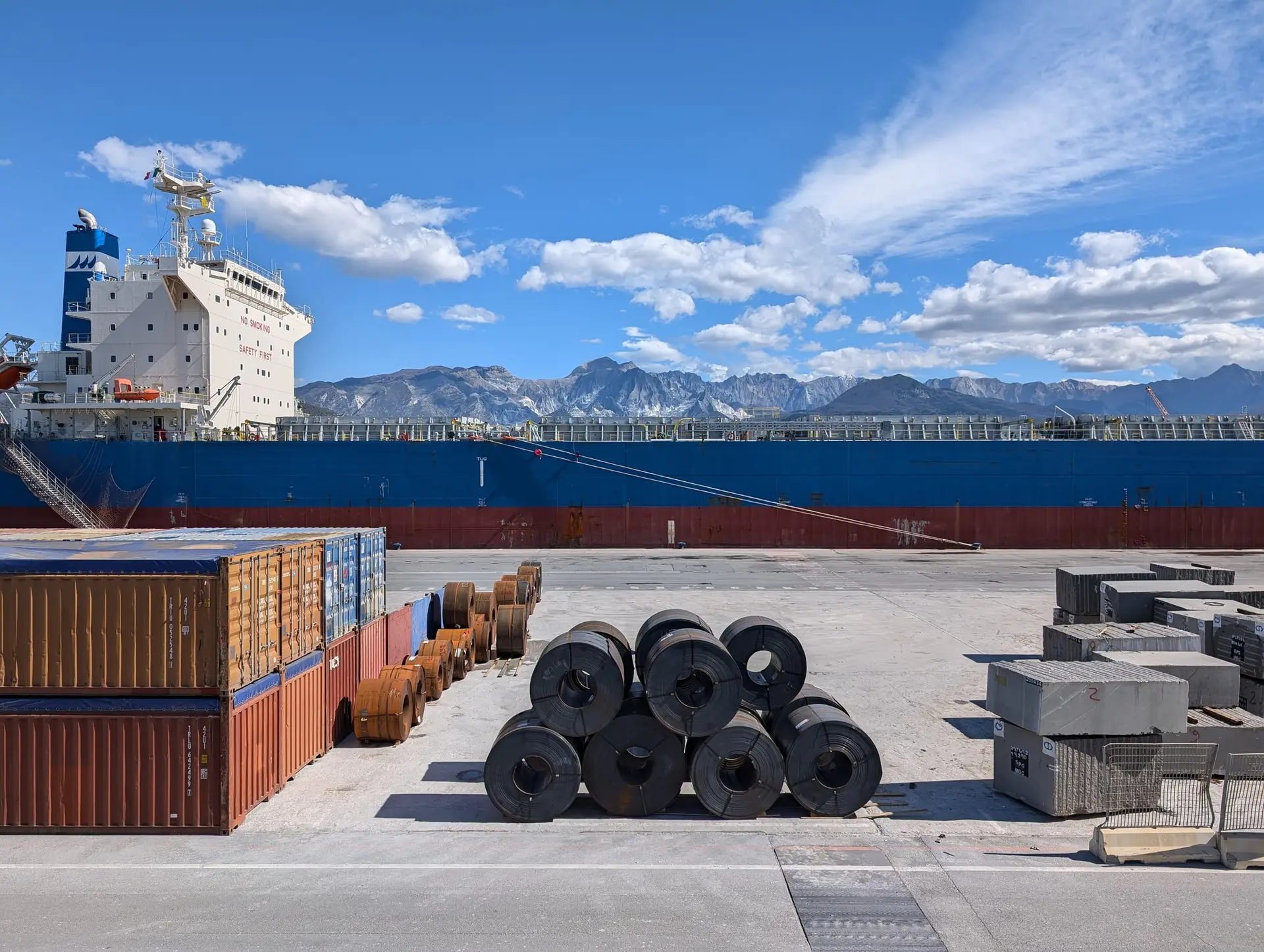
SEA
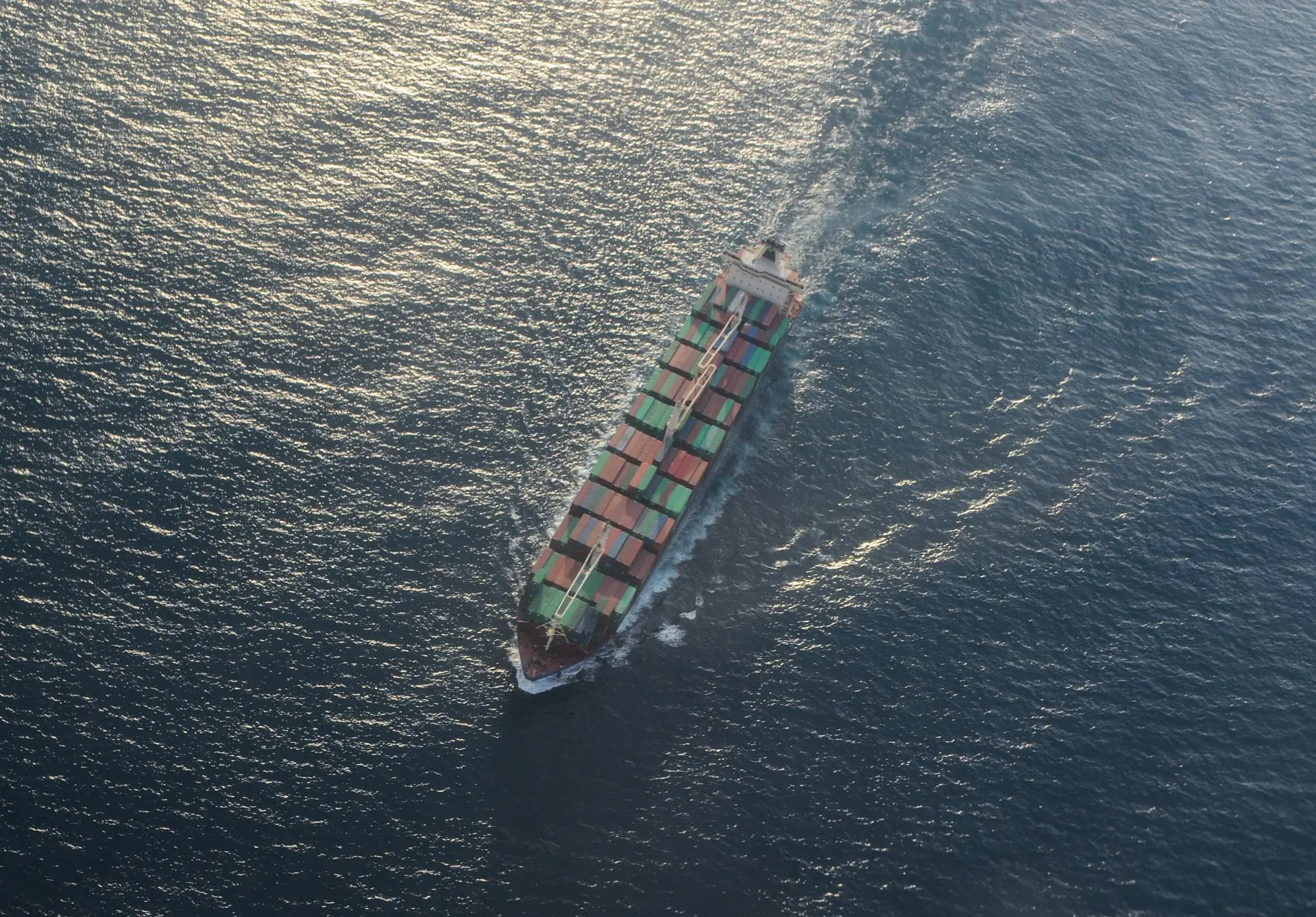
FCL, LCL and specialised equipment on the main east–west and transatlantic trades, with VGM, ISF and free time managed as part of every booking.
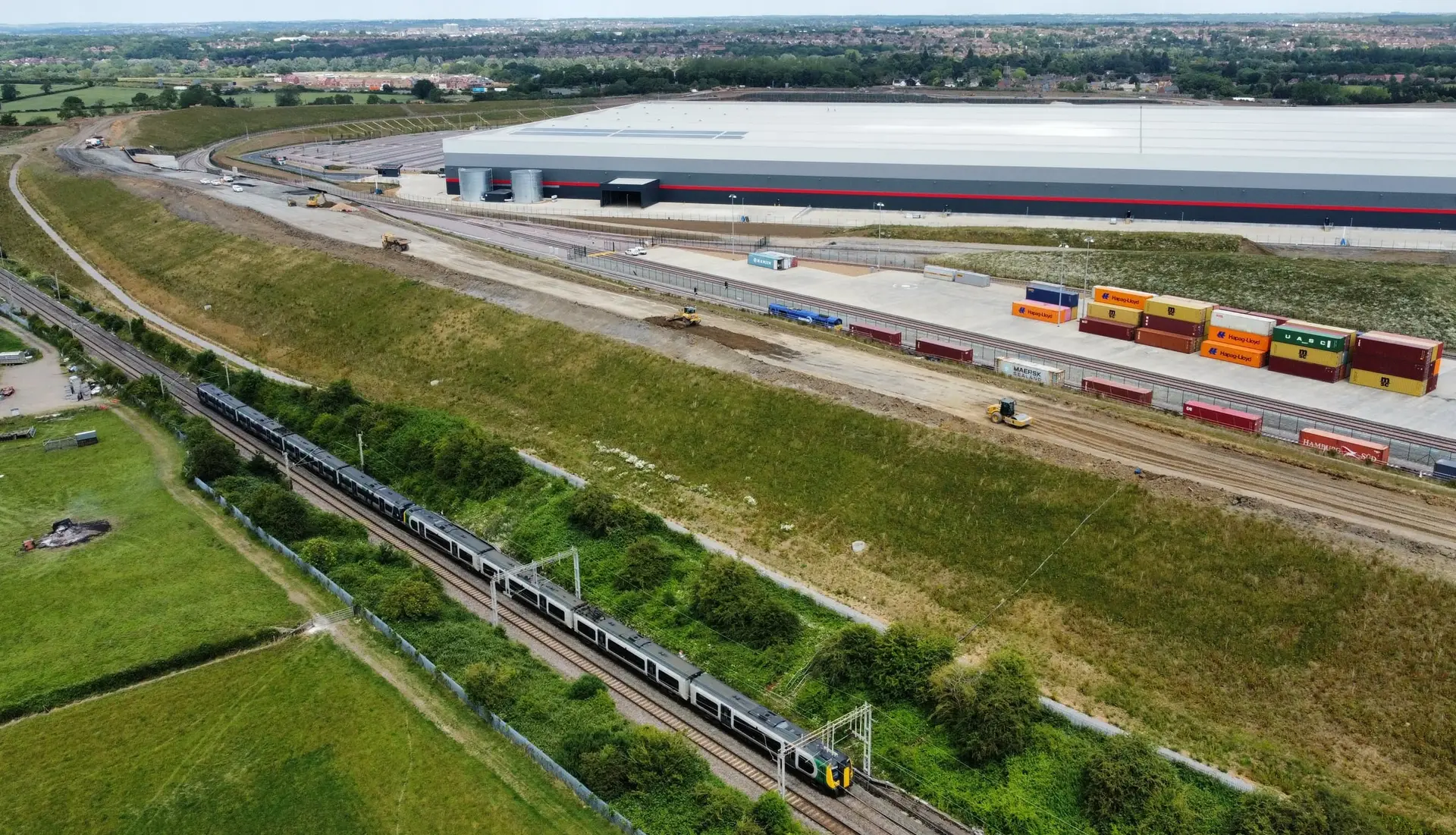
RAIL
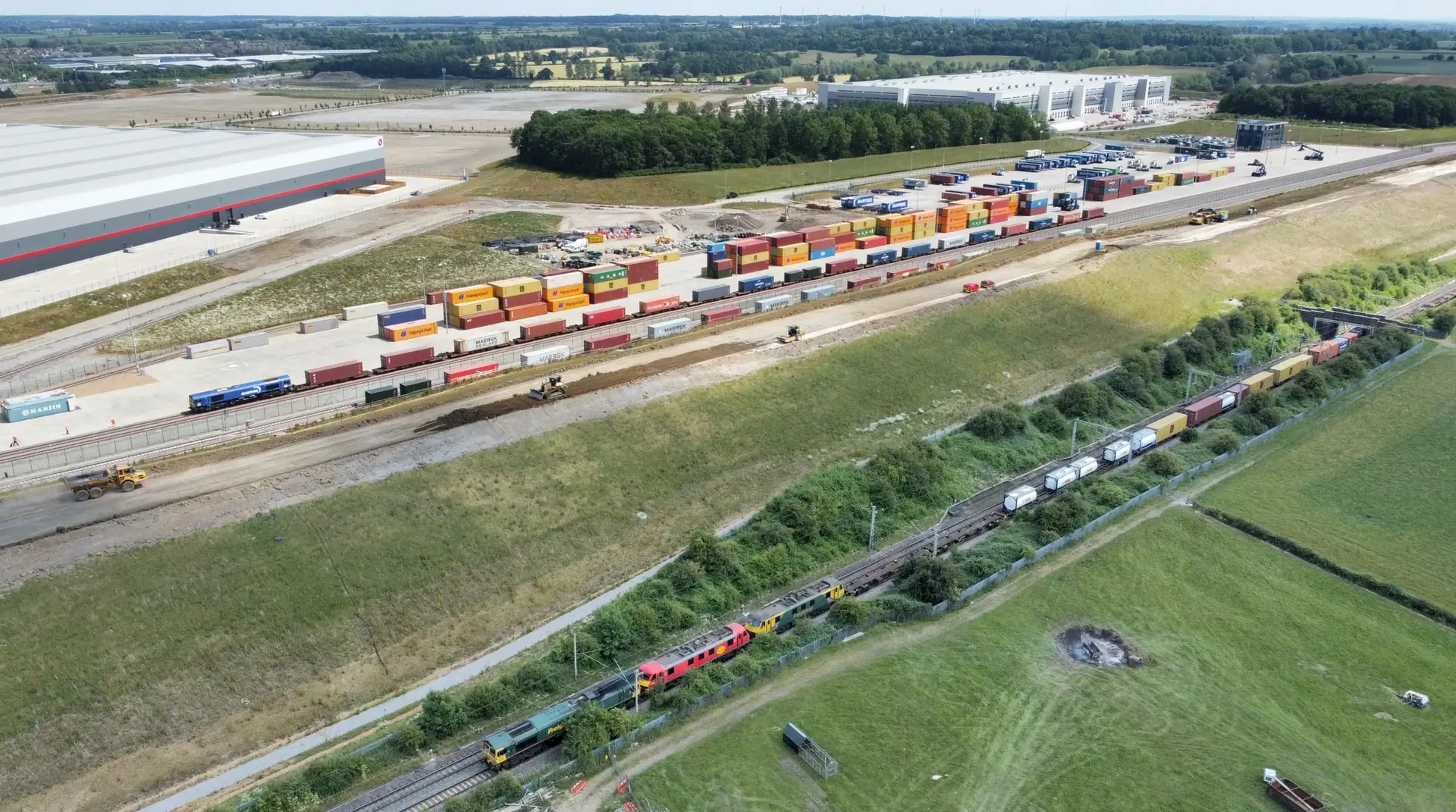
Inland and intercontinental rail wherever it outperforms road on cost and ocean on time, including the China–Europe corridors and North American intermodal.
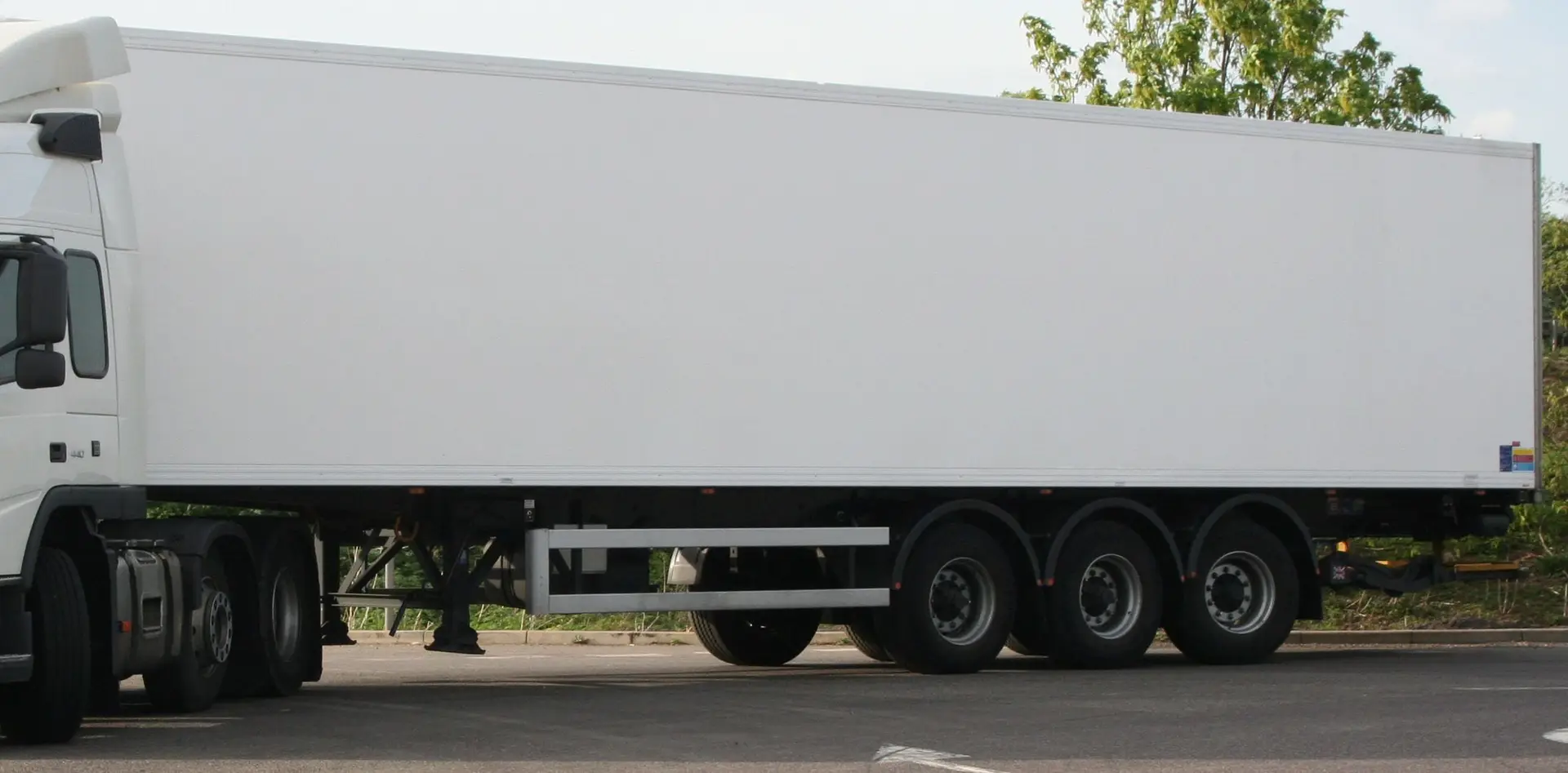
ROAD
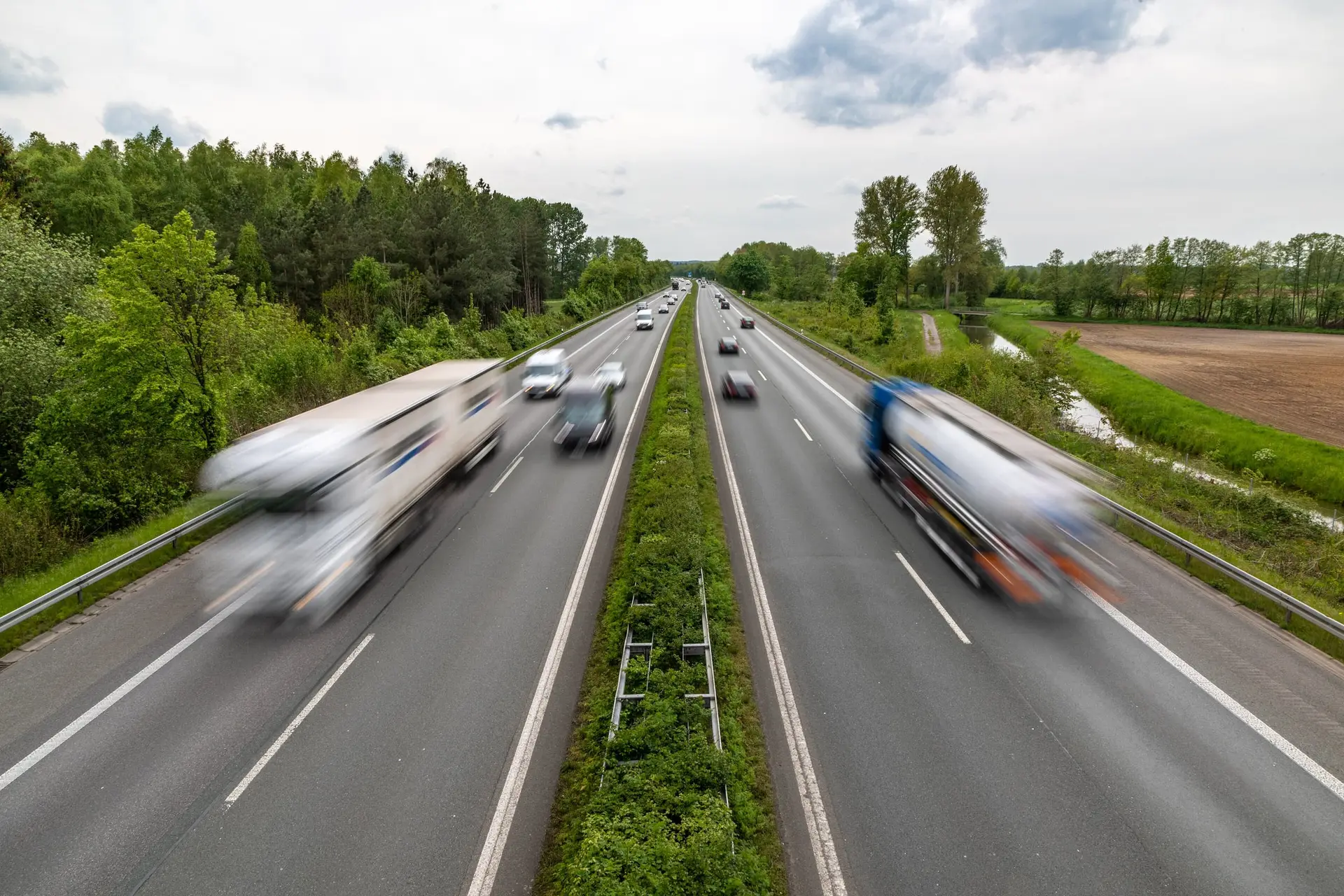
FTL, LTL, port drayage and cross-border trucking that connect every other mode to your loading dock.
Logistics & specialised cargo
Asset recovery, clearance, storage, fulfillment and project cargo, handled by the same team that moves your freight.
Specialized Cargo
Recovering transport equipment, returnable packaging and returned goods through the same network that delivered them.
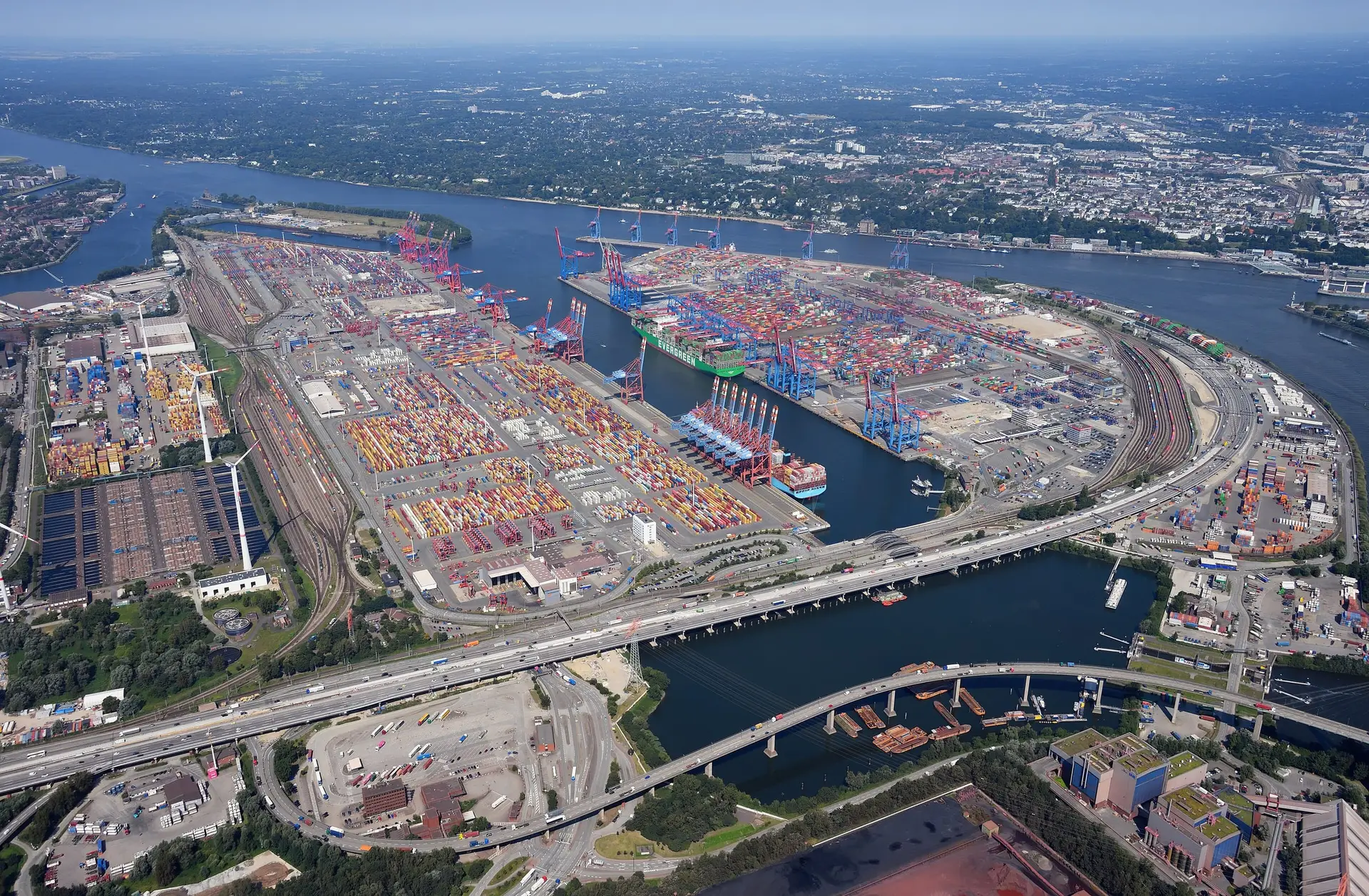
Logistics & Compliance
Classification, entry preparation and regulatory filings coordinated with licensed customs brokers, so cargo clears smoothly.
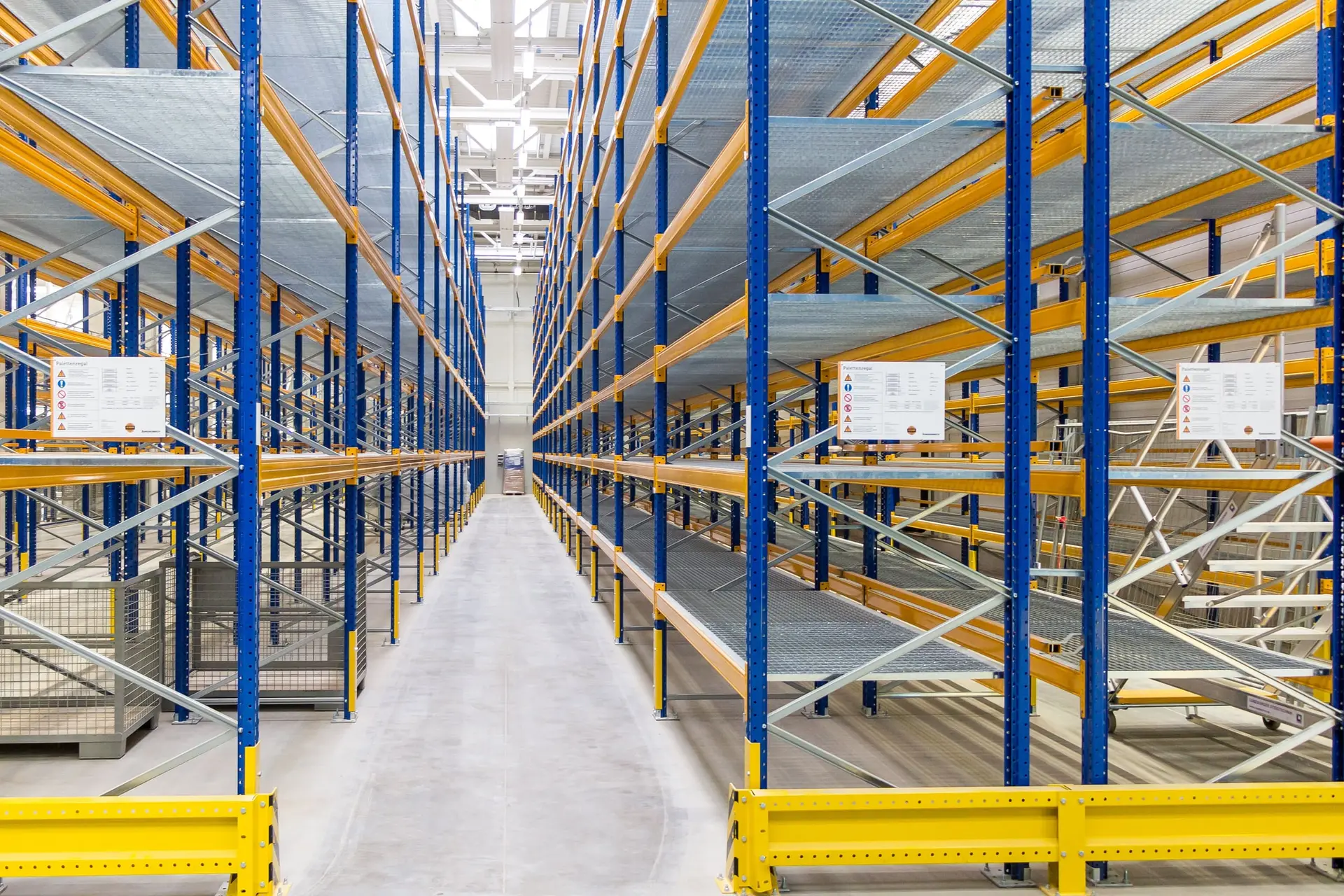
Logistics & Compliance
Receiving, storage, pick and pack, dispatch and returns for industrial and corporate supply chains, with inventory accuracy measured and reported.
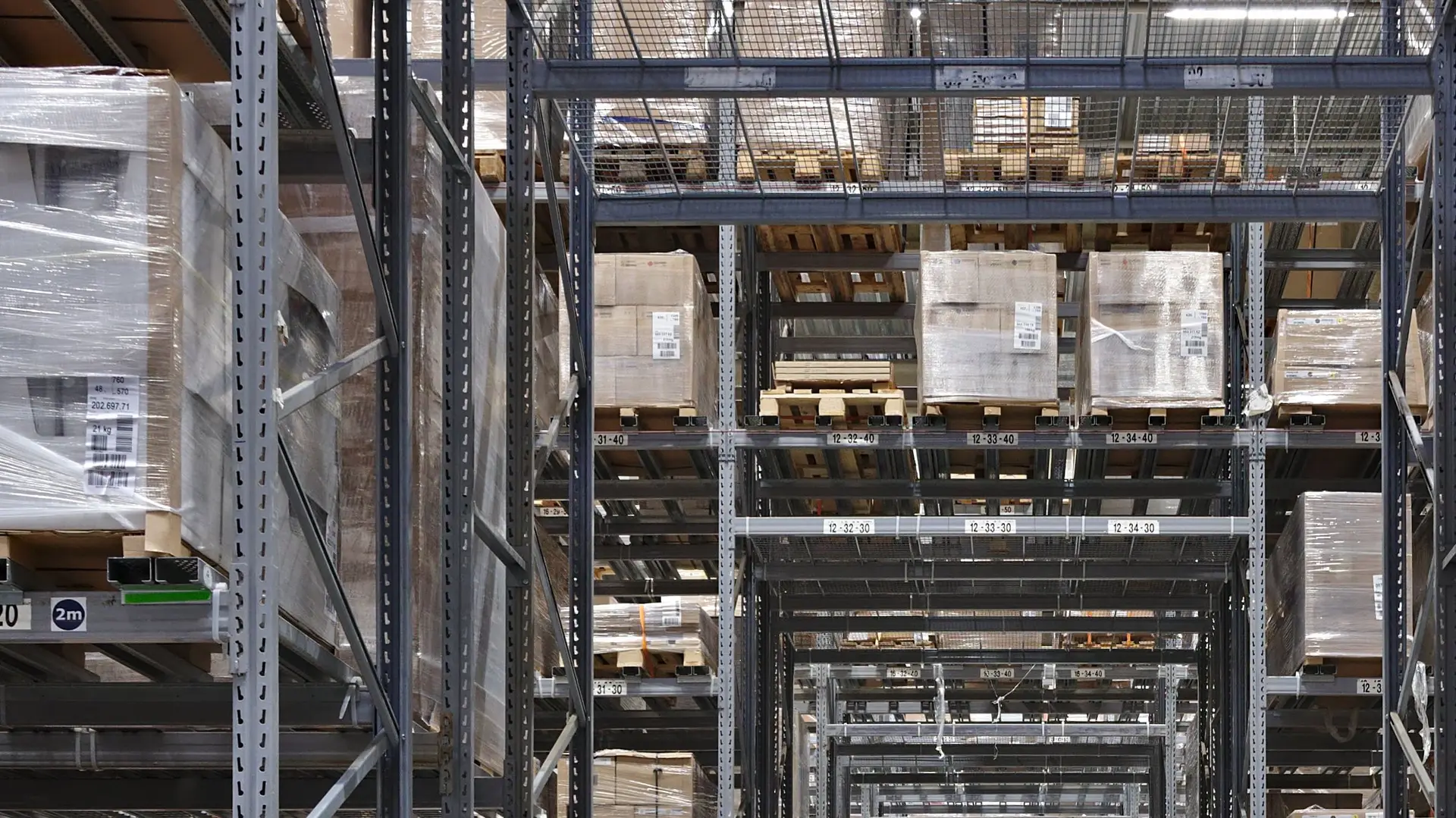
Logistics & Compliance
Defined operational responsibility inside your warehouse or logistics site: setup, workforce coordination, KPI control and process improvement.
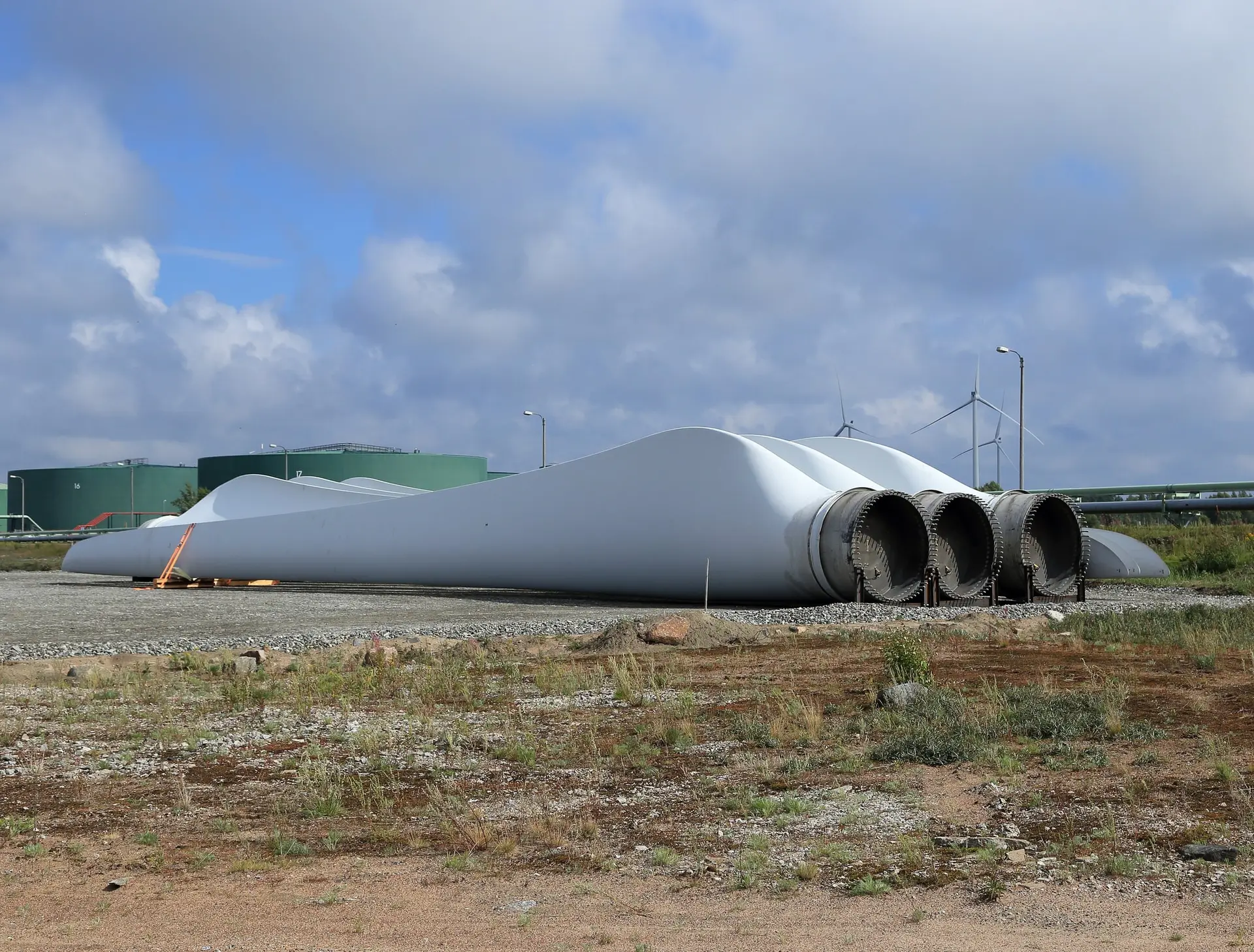
Specialized Cargo
Heavy and multi-modal project movements, with route survey, lift method, permits and escorts resolved before a carrier is booked.

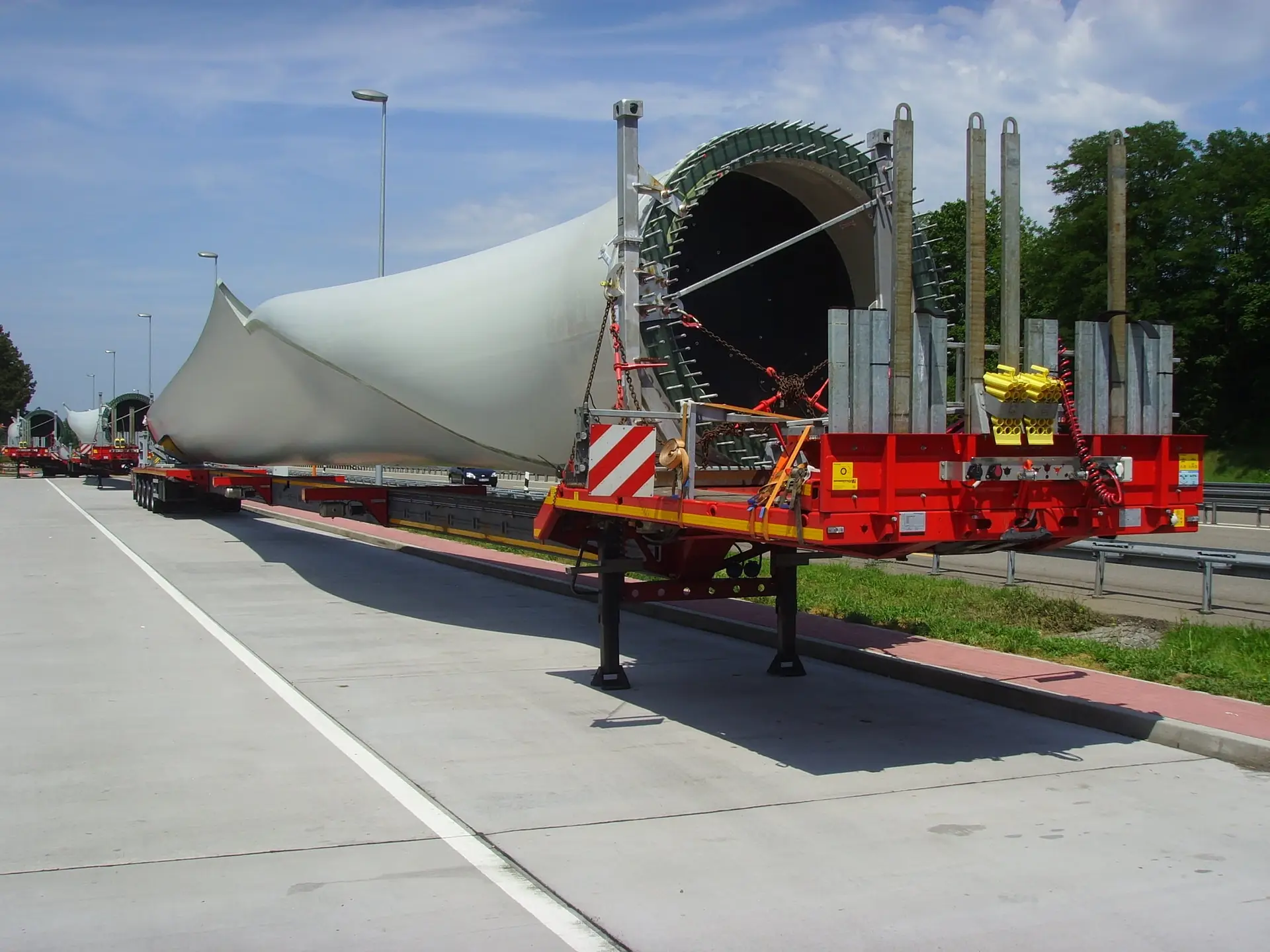
Specialized Cargo
Cargo beyond standard container dimensions: planned, secured and handled through terminals equipped for it.
How we operate
Clear planning, one accountable team, compliance built into the schedule, and reporting you can act on.
We start from the date the cargo must be on your dock and work backwards through delivery, customs clearance, terminal handling and transit. The booking is built to meet that date.
Carriers, agents, terminals, brokers and hauliers all work to one plan and one set of dates. We manage every handover between them, so the whole movement runs as a single operation.
Security filings, verified gross mass, transit declarations and customs entries are each scheduled against their own deadline and owner, and completed with licensed brokers, so cargo clears on time.
We report exceptions the moment they arise, with options and cost implications attached, so you always have time to act.
Industries
Cold chain for pharmaceuticals, urgent parts for automotive, heavy lift for energy. Every sector gets the handling it requires.
Gallery
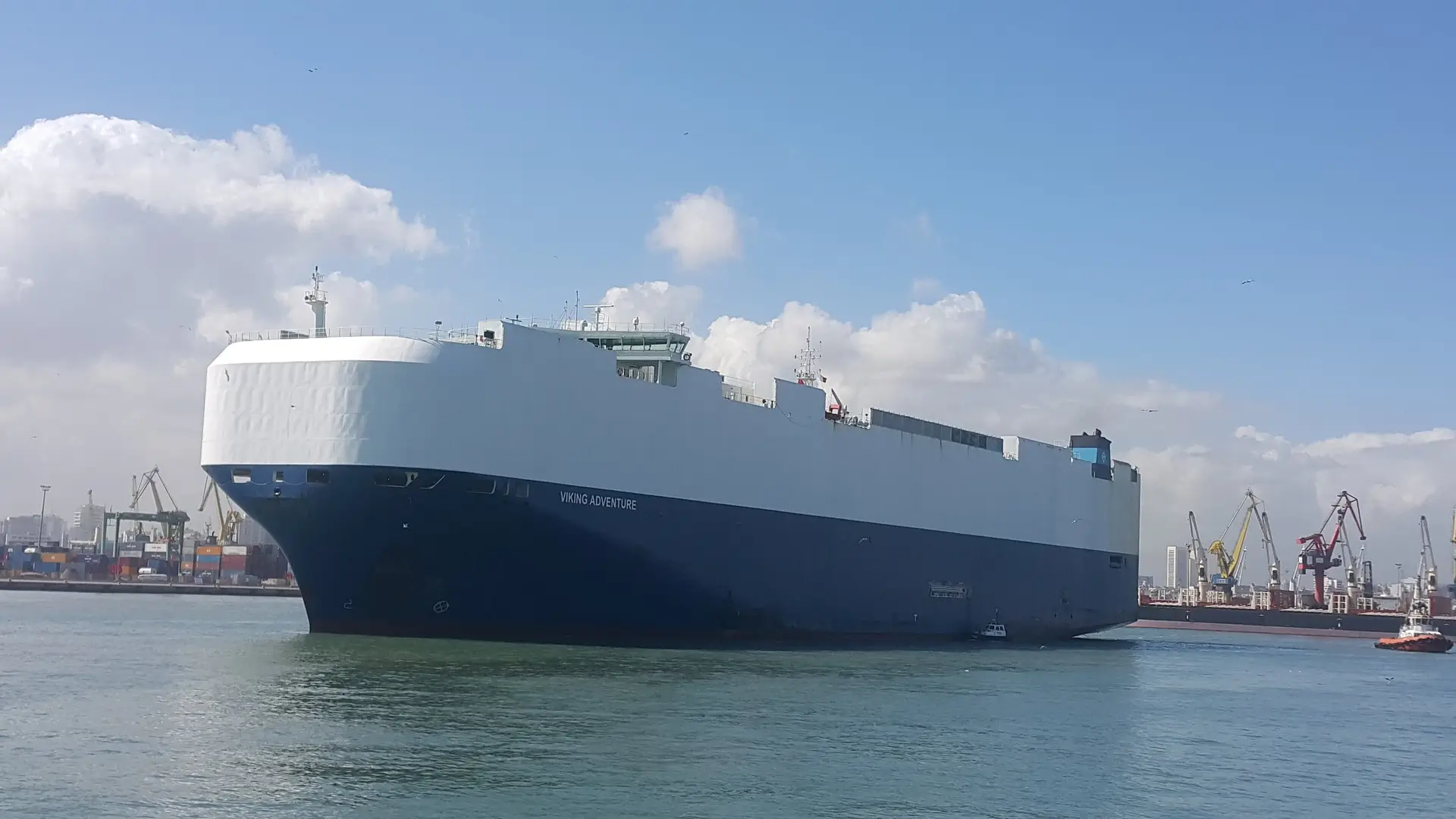
Trade lanes
Gateways, indicative transit times and the key planning factor for each corridor.
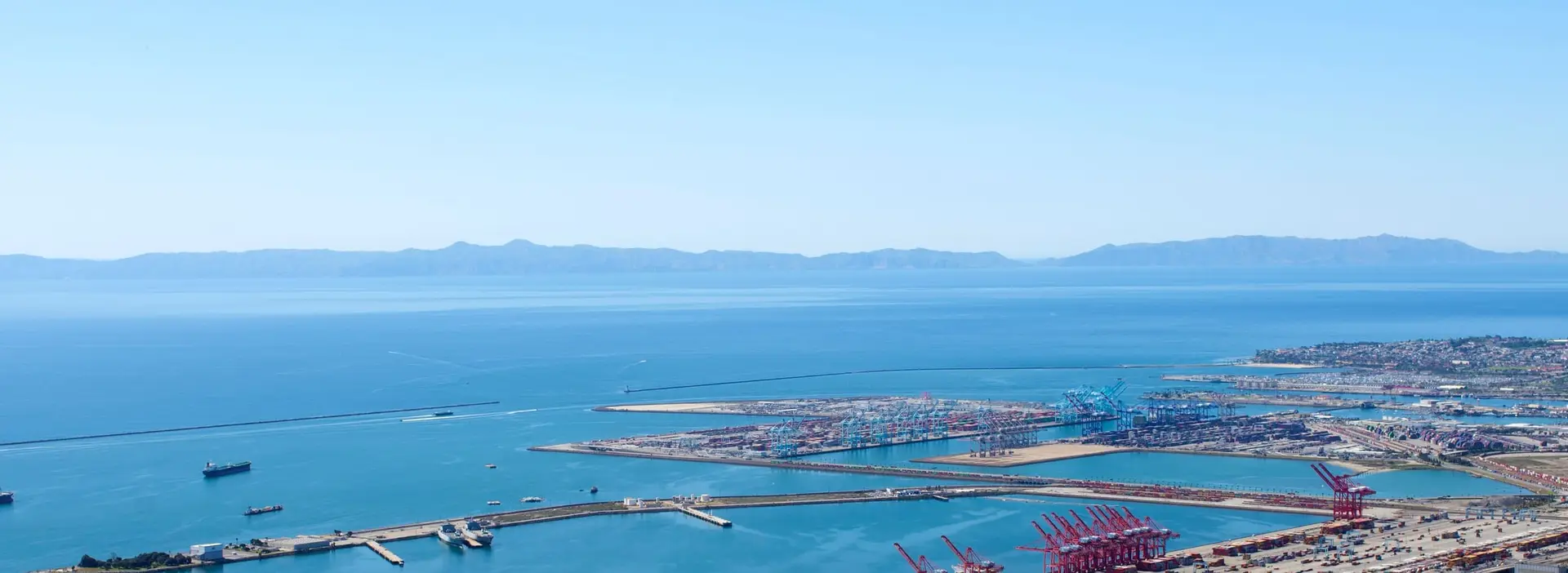
Asia → North America
Planning around seasonal peaks
Europe ↔ North America
Choosing between air and ocean

Asia ↔ Europe
Planning the gauge-change crossing
North, Central and South America
Selecting the correct in-bond entry

Europe / Americas ↔ Gulf and Indian subcontinent
Documentation requirements vary by destination
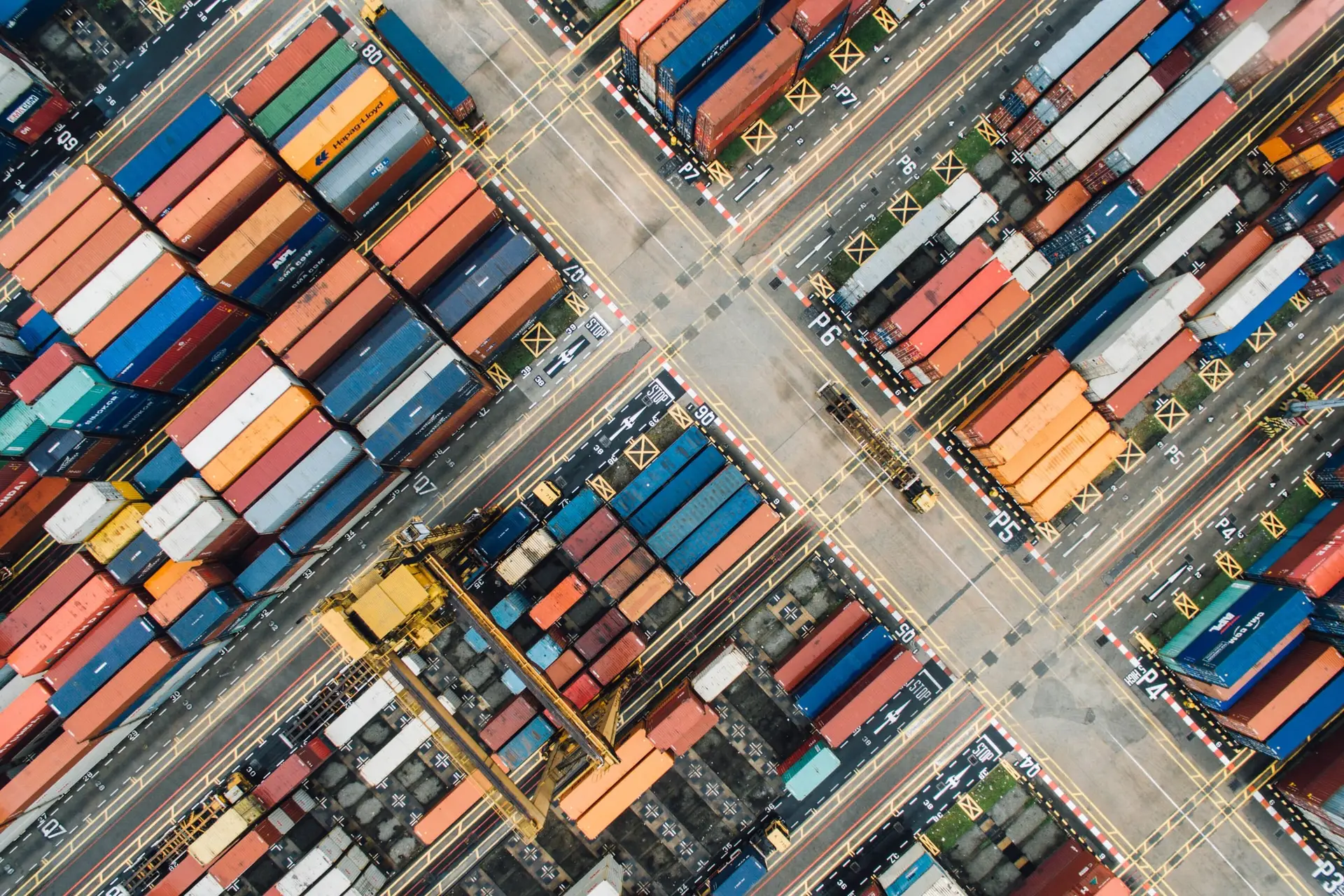
Global coverage
Five trade corridors. Four transport modes. One accountable team.
Insights
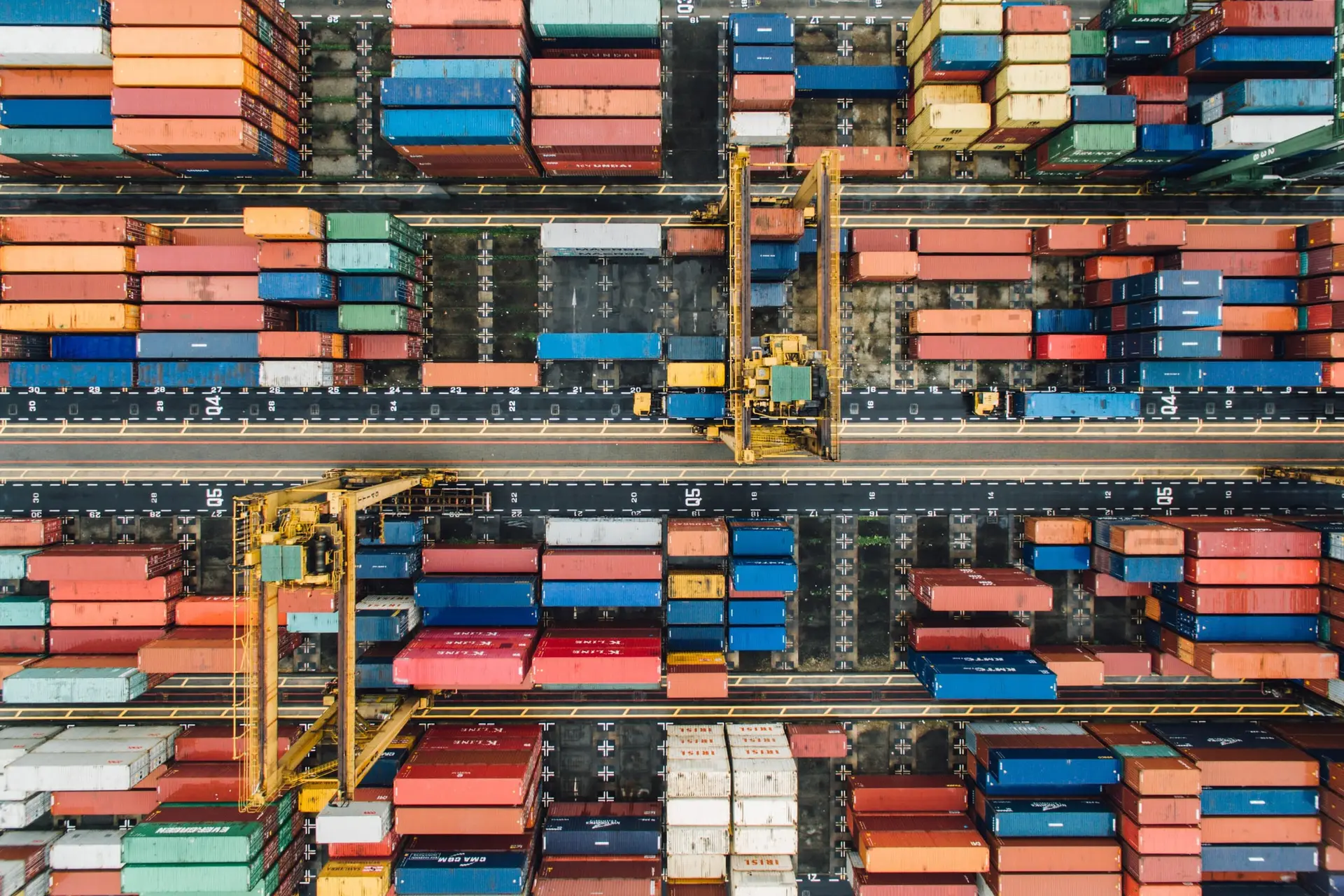
Charges · 9 min
The cheapest number on the page is rarely the cheapest shipment. Here is what each line means and which ones are missing.
Ocean Freight · 7 min
Carriers overbook, vessels reach weight limits and cut-offs fall early. Know the causes, reduce the risk and act fast.
Air Freight · 7 min
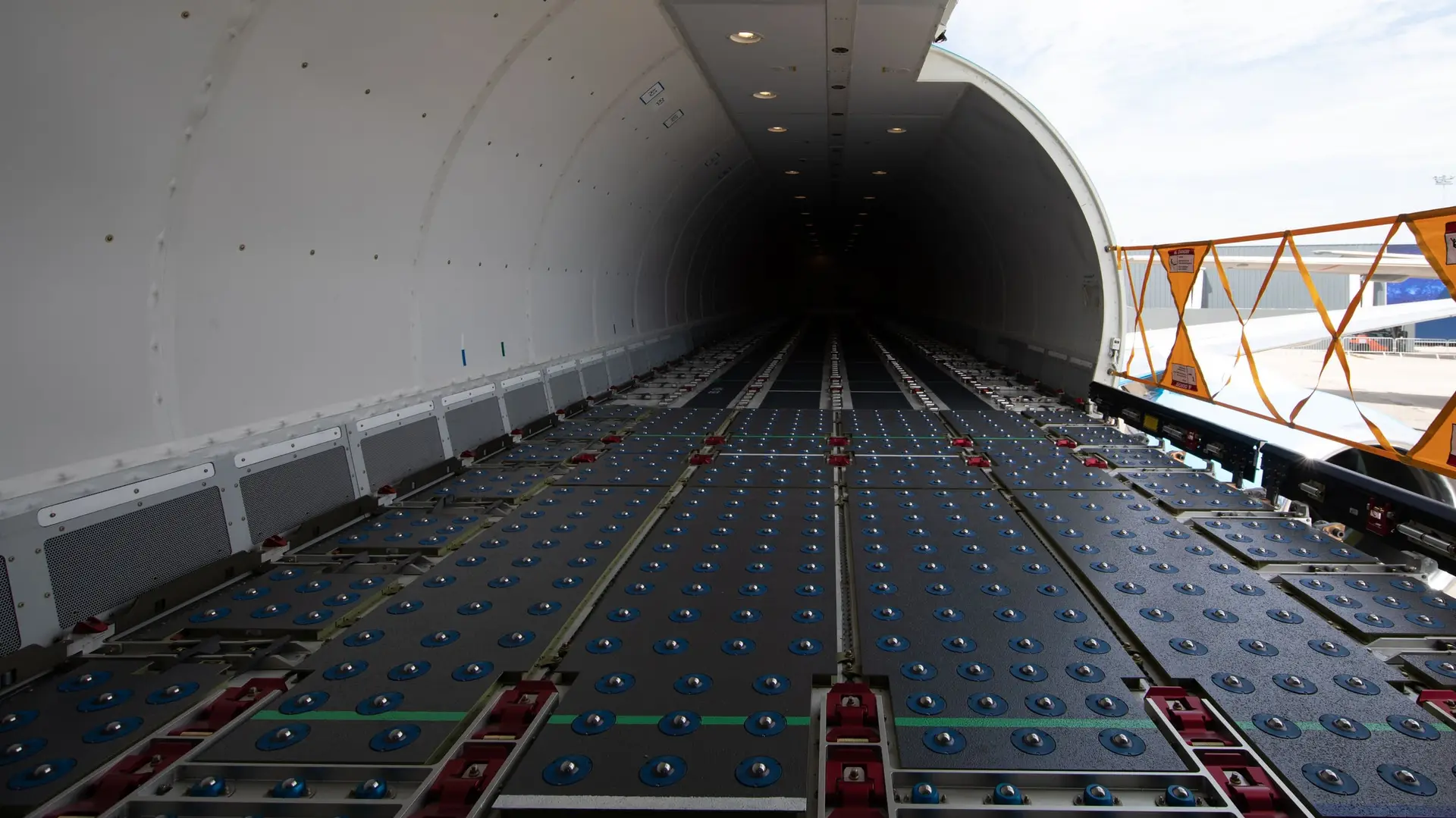
Air freight is billed on the greater of actual and volumetric weight. Here is how the figure is calculated and how to lower it.
Common questions
Clear answers on quotes, transport modes, customs and costs.
We arrange the international movement of goods. That covers selecting the mode and routing, booking capacity with carriers, preparing and checking the documentation, coordinating customs clearance through licensed brokers, and managing the collection and delivery legs at each end. We plan and control the movement across whichever carriers suit it, without owning aircraft, vessels or trucks.
Work from the delivery date backwards and compare total landed cost. Ocean is cheapest per unit and slowest. Air is fastest and most expensive per kilogram. Rail sits between the two on the corridors where it runs, particularly China–Europe. The right answer also has to price in inventory holding cost and, for fast-depreciating goods, the value lost during a longer transit.
As a working threshold, above roughly 13 to 15 cubic metres a 20-foot container usually wins on total landed cost, because LCL is billed per revenue tonne and adds destination CFS charges. Below that, consolidation is normally cheaper. Fragile or high-value cargo can justify a full container earlier, since it avoids being stripped and re-handled with other shippers' freight.
Airlines bill on chargeable weight: the greater of actual gross weight and volumetric weight, where volumetric weight is length × width × height in centimetres divided by 6,000. Light, bulky cargo is billed on volume. We calculate both figures at quotation and quote against the higher one, so the invoice matches what you were told.
Demurrage accrues while a container sits inside the terminal past its free days. Detention accrues once it has left the terminal and has not been returned by its due date. They are separate charges from different parties. Avoiding them is a sequencing problem: clearance and the delivery appointment have to be planned against the free-time allowance, not against the arrival date.