
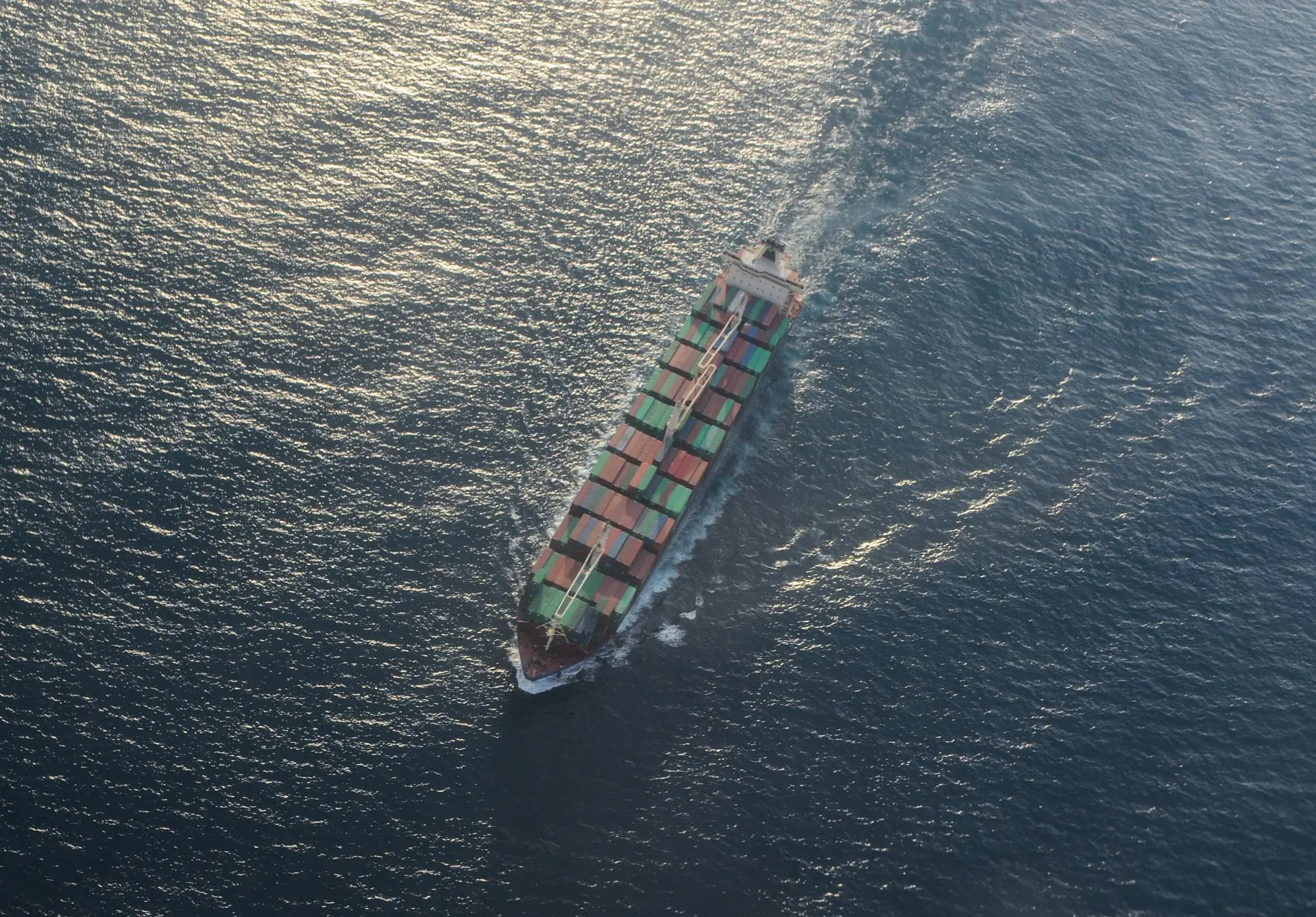
Ocean Freight Forwarding
FCL, LCL and specialised equipment on the main east–west and transatlantic trades, with VGM, ISF and free time managed as part of every booking.
Coordinating global freight with precision.
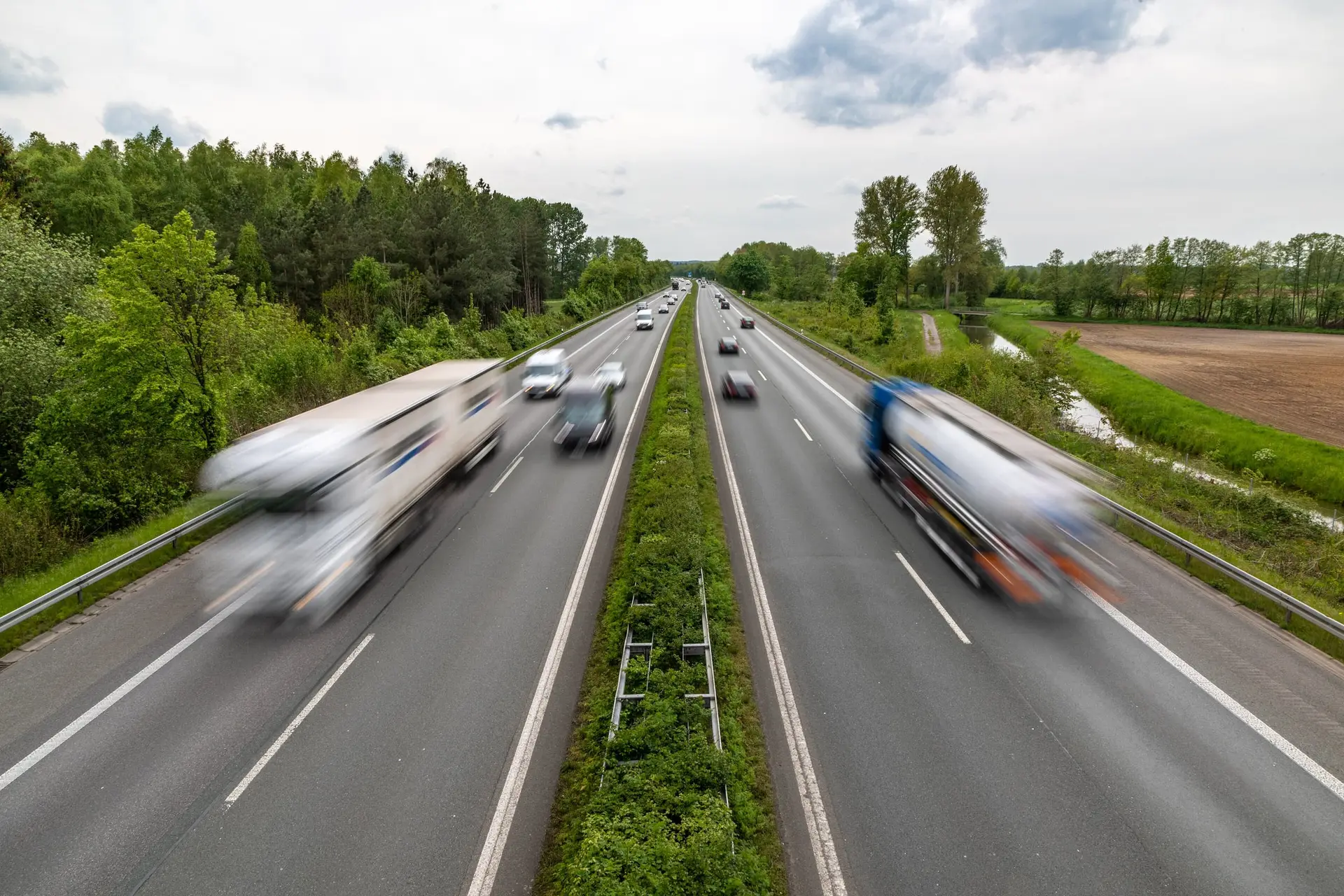
Freight Forwarding / Road
FTL, LTL, drayage and cross-border trucking, planned with the same care as the international leg: delivery appointments, equipment and driver hours confirmed in advance.
In practice
Port drayage depends on precise timing. Chassis availability, terminal appointment systems, per-diem clocks on the container and the receiving facility's own dock hours all have to line up on the same day.
We book the delivery appointment and the drayage against the free-time allowance on the container. That sequencing keeps demurrage and detention off the final invoice.
On a live unload the driver waits while the trailer is emptied, and detention charges start once the free waiting period expires. On a drop-and-hook the trailer is left at the facility and collected later, which removes the waiting cost but requires the receiver to have yard space and a second trailer slot.
For any receiver whose unload takes more than an hour or two, drop-and-hook is usually cheaper even after the extra equipment cost. We ask about dock capacity before quoting, because the answer changes the price.
Freight crossing a border by road runs on its own documentation. In Europe that is the CMR consignment note, with T1 transit for goods that have not yet been cleared. In North America, goods moving under customs control travel in-bond on an immediate transportation, transportation and exportation, or immediate exportation entry.
We confirm the movement type and the bonded carrier before the load is tendered, so the cargo moves through to its inland destination without a hold.
Capabilities
Port, rail ramp and airport collections with chassis and appointment management sequenced against free time.
Dedicated equipment for a single consignment, dry van, flatbed or temperature-controlled.
Palletised consignments on scheduled networks, priced on class and dimensions.
Time-critical road moves including two-driver operation where the transit exceeds a single driver's legal hours.
US–Canada and US–Mexico road moves with in-bond documentation and bonded carrier coordination.
Delivery into sites without a dock, including tail-lift, inside delivery and installation coordination.
Sequence
Pickup and delivery constraints, dock type, appointment requirements and accessorials are captured before a rate is given.
Capacity is placed with vetted carriers holding current authority and insurance for the lane and the commodity.
Delivery slots are booked against container free time and the receiving facility's dock hours, so equipment is returned by its due date.
Pickup, transit and delivery are tracked. Detention, redelivery and reconsignment are raised as they happen, with the cost stated at the time.
Signed proof of delivery is returned with the shipment file, and any accessorial is reconciled against what was authorised.
Questions
Drayage is the short move between a port, rail ramp or airport and a nearby facility, and it runs on the terminal's appointment system with a chassis under the container. It carries constraints of its own (per-diem clocks on the equipment, terminal gate hours and chassis availability), so it is quoted separately.
Detention is charged when a driver or a piece of equipment is held beyond the agreed free waiting period. On a live unload it starts once the free time at the dock expires; on a container it starts when the box is not returned by its due date. Where a receiver's unload is slow, drop-and-hook usually costs less overall.
Yes. Cross-border road freight requires the correct in-bond entry type and a carrier authorised to move goods under customs control. We confirm the bond type and the carrier before tendering, so the load clears inland facilities without delay.
US federal rules cap a single driver at 11 hours of driving inside a 14-hour duty window, after 10 consecutive hours off duty. In practice that is roughly 500 to 600 miles a day allowing for traffic, fuelling and mandatory breaks. Longer transits need either multiple days or a team operation, and we plan transit times within these limits.
Reference
Reference data to help you plan shipments and compare quotations.
Nominal capacities; legal payload is governed by axle weight limits on the route.
FMCSA property-carrying limits. They cap what any transit promise can be.
Also relevant
FCL, LCL and specialised equipment on the main east–west and transatlantic trades, with VGM, ISF and free time managed as part of every booking.
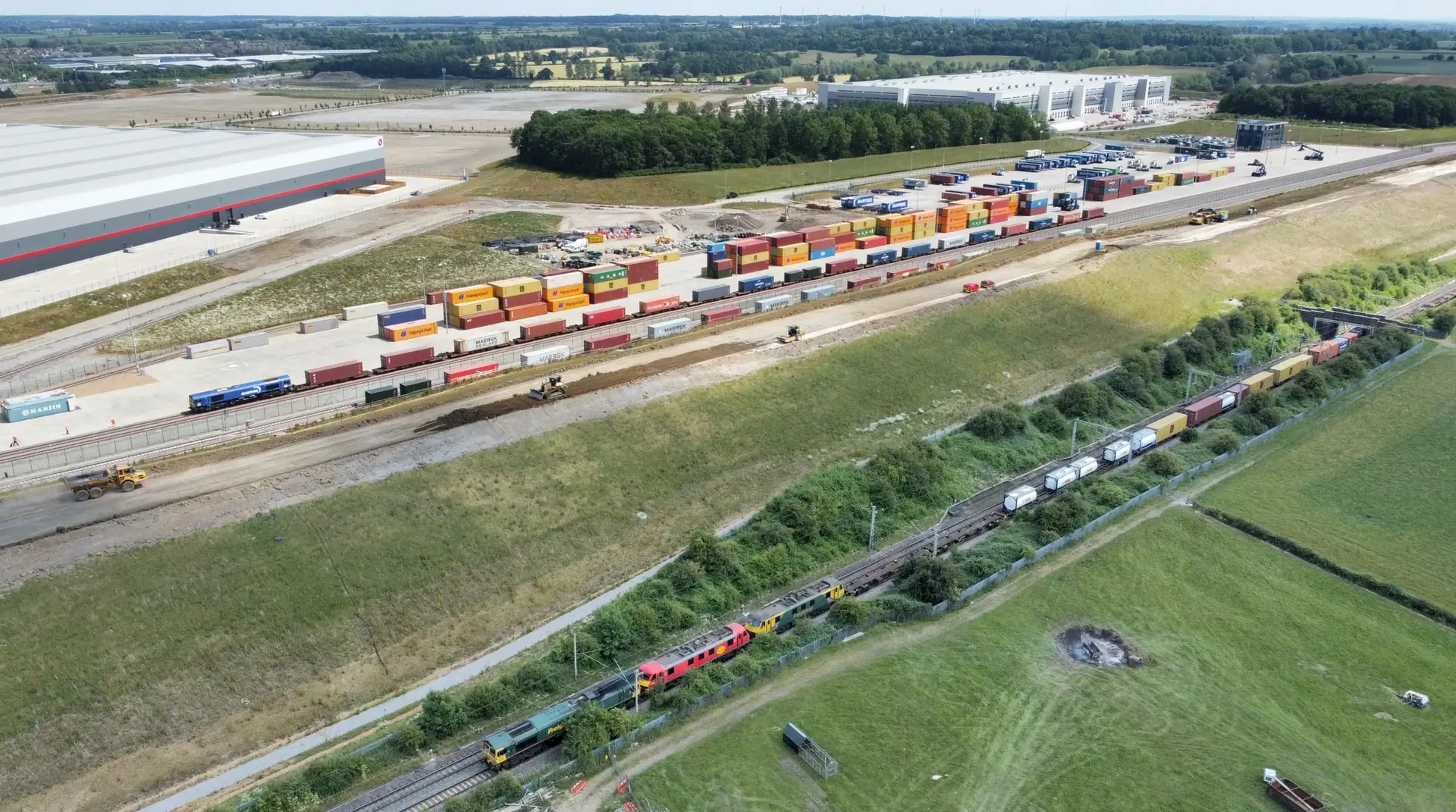
Inland and intercontinental rail wherever it outperforms road on cost and ocean on time, including the China–Europe corridors and North American intermodal.
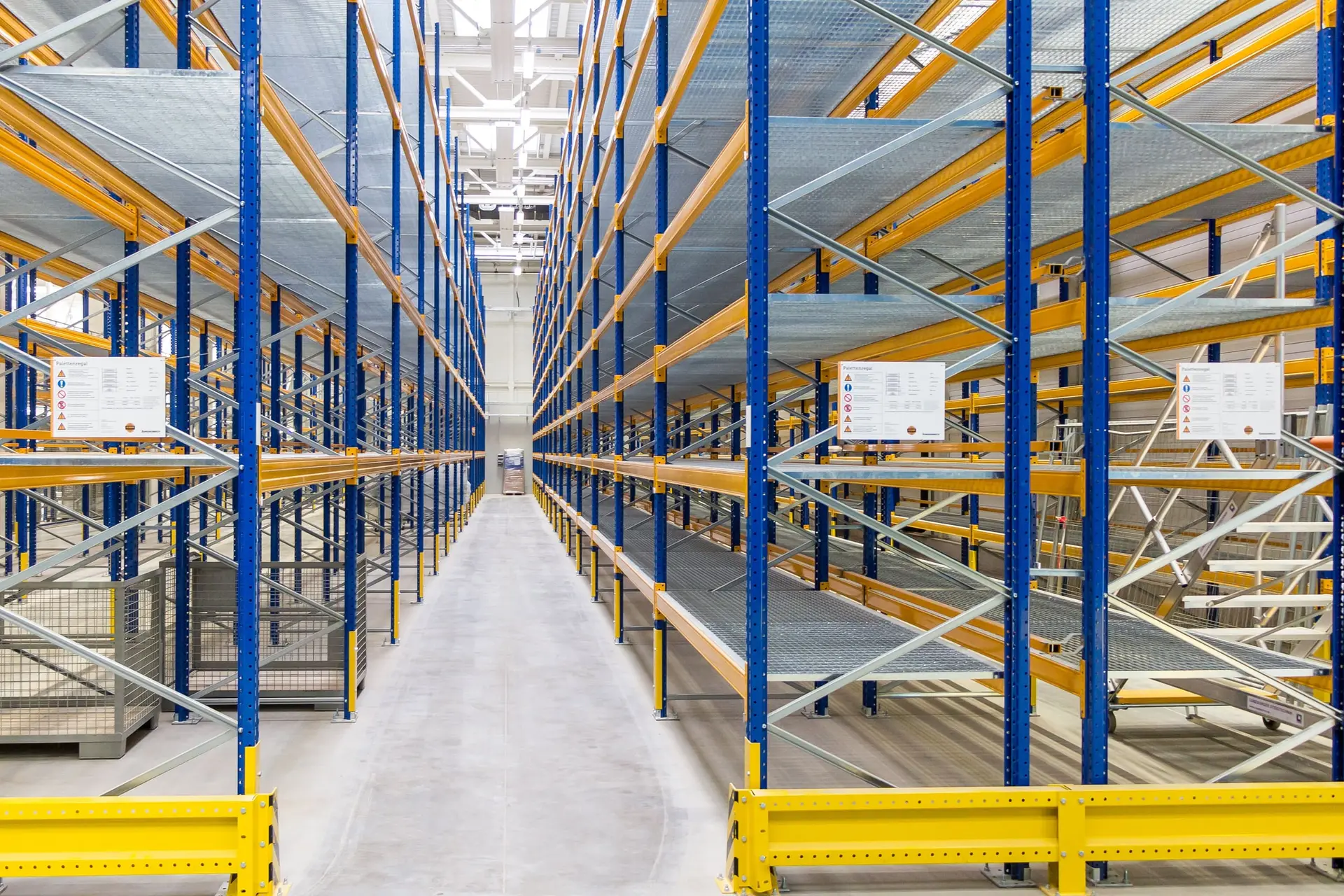
Receiving, storage, pick and pack, dispatch and returns for industrial and corporate supply chains, with inventory accuracy measured and reported.