
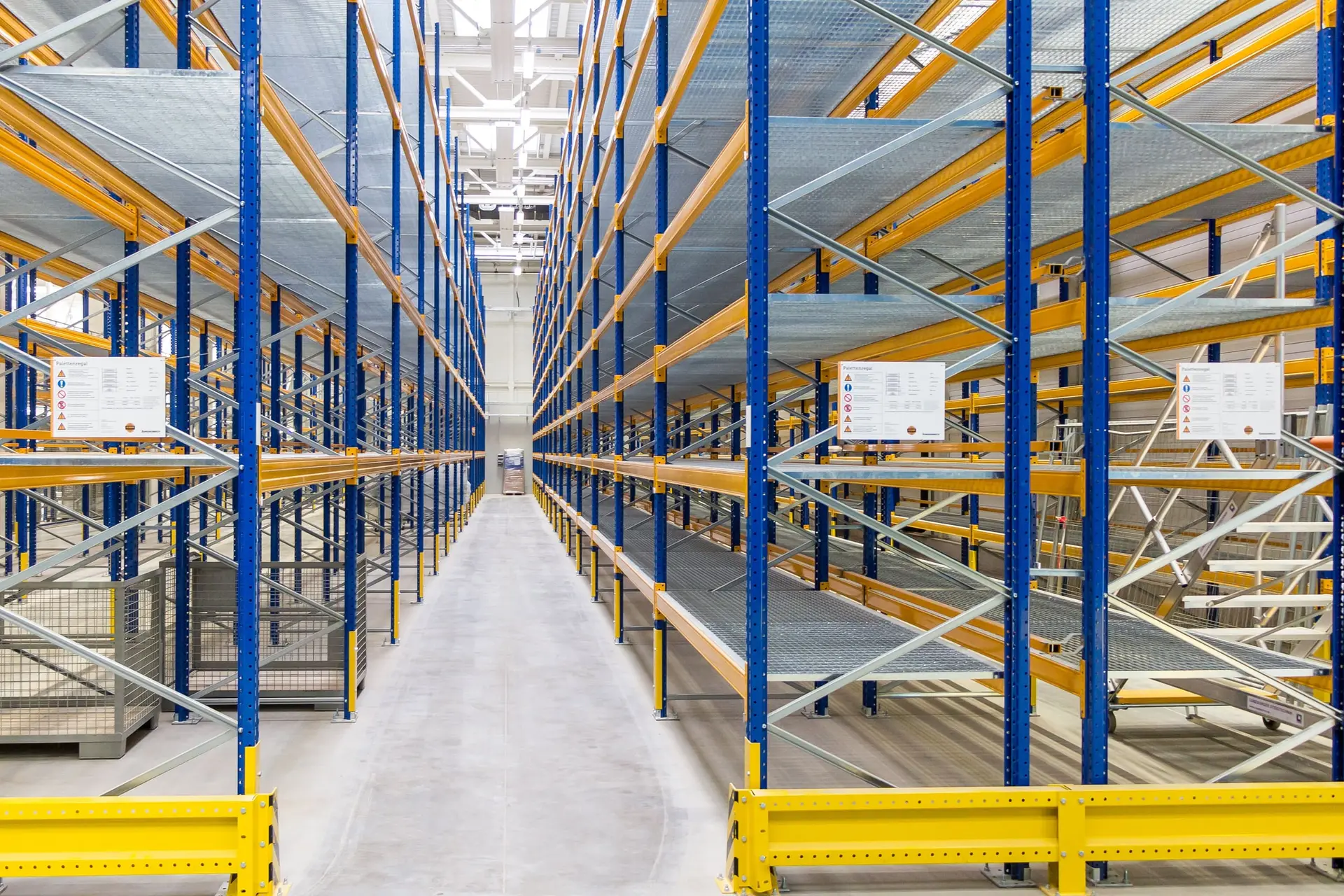
Fulfillment & Warehousing
Receiving, storage, pick and pack, dispatch and returns for industrial and corporate supply chains, with inventory accuracy measured and reported.
Coordinating global freight with precision.
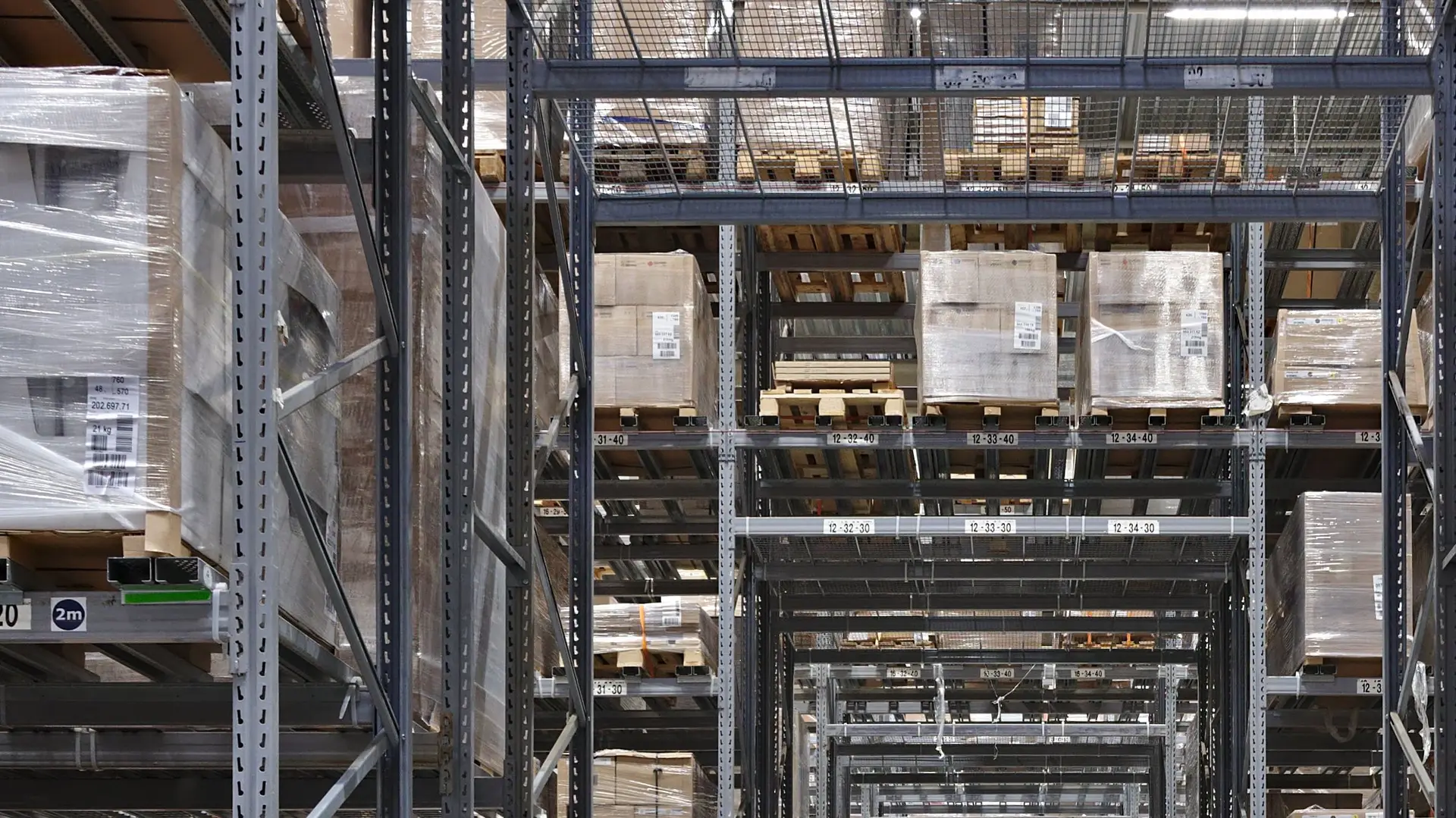
Logistics / Managed
We take defined responsibility for your warehouse or logistics operation: setting it up, running it to agreed KPIs and reporting performance openly every period.
In practice
A managed operations engagement begins with a boundary: which processes we run, which measures we are accountable for, which decisions we take directly, and which escalate.
We write the scope as a specific list of responsibilities with a named owner on both sides, and we report against it on a fixed cadence. Any measure outside our control is identified at the outset.
Warehouse setup decisions are expensive to reverse. Racking configuration, pick face design, dock allocation and the location numbering scheme all get locked in on day one and shape labour cost for the life of the site.
We size these against the actual order profile and its expected growth, so the site is designed for the orders you will pick as well as the stock you hold today.
A KPI set is only useful if each measure has a clear owner and a defined action when it moves. Dock-to-stock time, pick accuracy, order cycle time, inventory accuracy and on-time-in-full at line level cover the core of a warehouse operation.
We report them with the working underneath: what moved, why, and what is being done. Where a measure is drifting, the corrective action and its owner appear in the same report.
Capabilities
Layout, racking configuration, location scheme, dock allocation and process design sized against the order profile.
Day-to-day running of defined processes under an agreed scope of responsibility and escalation path.
Shift planning, task allocation and labour scheduling matched to order volume and its daily and seasonal pattern.
Defined measures reported on a fixed cadence with cause and corrective action attached.
Structured review of pick paths, slotting, dock scheduling and handling steps, with change measured against a baseline.
Written procedures for each controlled process, kept current, so execution is consistent on every shift.
Sequence
Current operation, order profile, constraints and existing measures are reviewed on site, and the baseline is recorded before anything changes.
Owned processes, accountable measures, decision rights and escalation routes are written down and agreed by both parties.
Layout, procedures, systems and staffing are put in place, or transitioned from the incumbent arrangement, against a dated plan.
The operation runs under the agreed procedures, with measures collected continuously and exceptions escalated at the agreed threshold.
Performance is reviewed against the baseline on a fixed cadence, with the effect of each change measured.
Questions
Consulting produces a recommendation. Managed operations takes named responsibility for running defined processes and for the measures attached to them, reported on a fixed cadence. A scope document sets out what we own and what escalates.
Engagements vary. We can coordinate an existing team under agreed procedures, or take responsibility for staffing a defined scope. Which arrangement applies is settled during scope definition, along with the employment and liability implications, before anything operational changes.
For most warehouse operations: dock-to-stock time, pick accuracy, order cycle time, inventory accuracy from cycle counts, and on-time-in-full at line level. Each measure has an owner and a defined action. The set is agreed at scope definition and reviewed as the operation matures.
Setup and slotting changes usually show inside the first full reporting cycle because they change labour per order directly. Accuracy improvements take longer, because they depend on the correction loop from cycle counting running for enough cycles to find and fix root causes. We record a baseline at the outset so improvement is measured.
Reference
Reference data to help you plan shipments and compare quotations.
Also relevant
Receiving, storage, pick and pack, dispatch and returns for industrial and corporate supply chains, with inventory accuracy measured and reported.
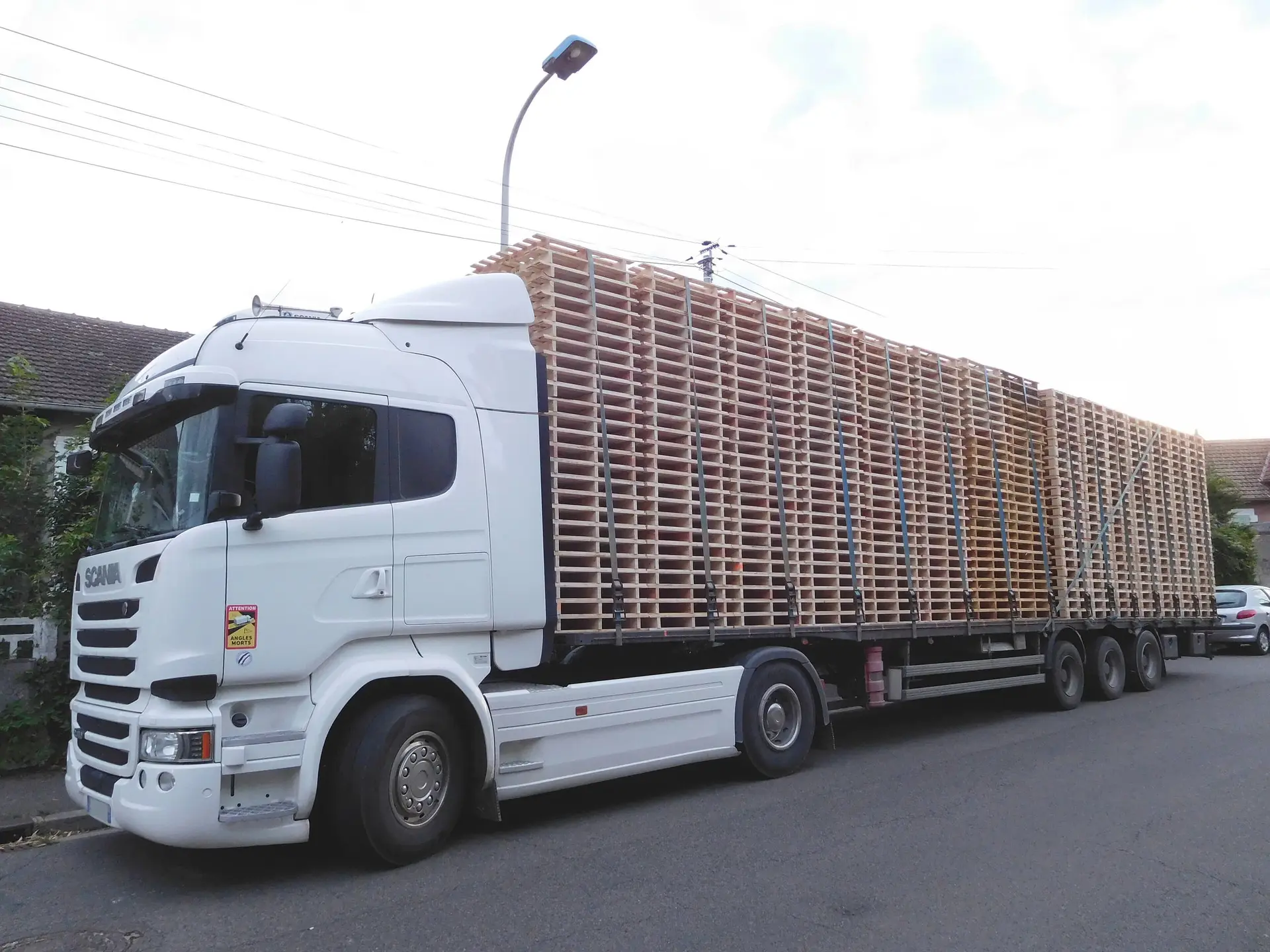
Recovering transport equipment, returnable packaging and returned goods through the same network that delivered them.
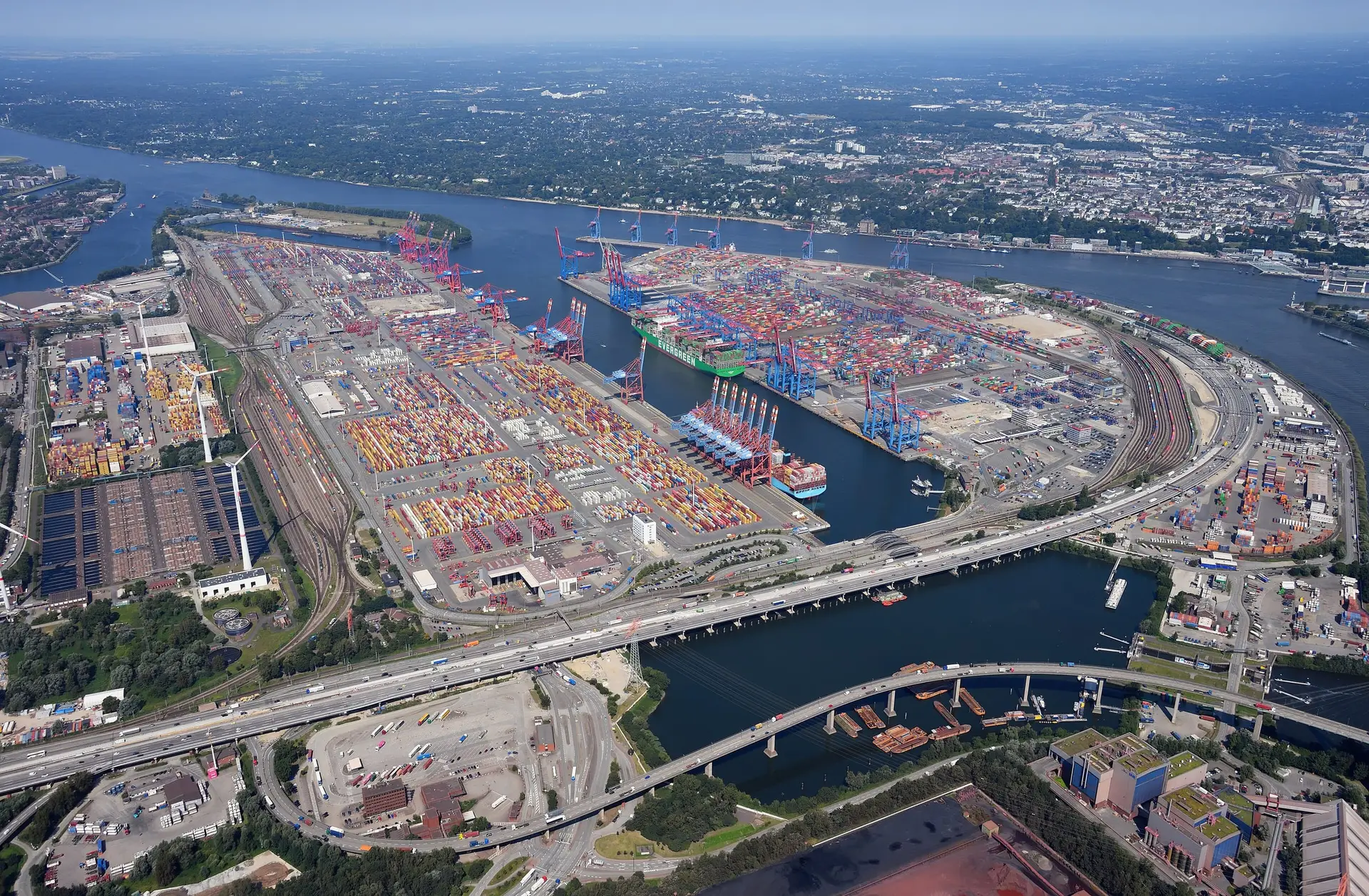
Classification, entry preparation and regulatory filings coordinated with licensed customs brokers, so cargo clears smoothly.