
Sequence-critical inbound
Components are consumed in a defined order. Arriving in the wrong sequence can be almost as disruptive as arriving late.
Coordinating global freight with precision.
Industries / Automotive
Automotive supply chains run with minimal buffer stock. We plan inbound flows, expedites and returnable packaging so parts arrive exactly when the line needs them.
The priority
Lean production is designed around minimal buffer, so every component has to arrive when the station needs it. We run freight as part of the production system, with exception handling that escalates in minutes.
Key challenges
Components are consumed in a defined order. Arriving in the wrong sequence can be almost as disruptive as arriving late.
Automotive runs heavily on stillages and racks. Managed recovery keeps the fleet in circulation and packaging available to the line.
Line-down expedites are a recurring category, run on a pre-agreed process with pre-authorised cost.
Service parts distribution is high-SKU, low-quantity and geographically dispersed: the opposite profile to production inbound, with its own design.
Services that apply

Time-critical and high-value cargo on established airline and handling partners, with chargeable weight, screening and documents confirmed before booking.
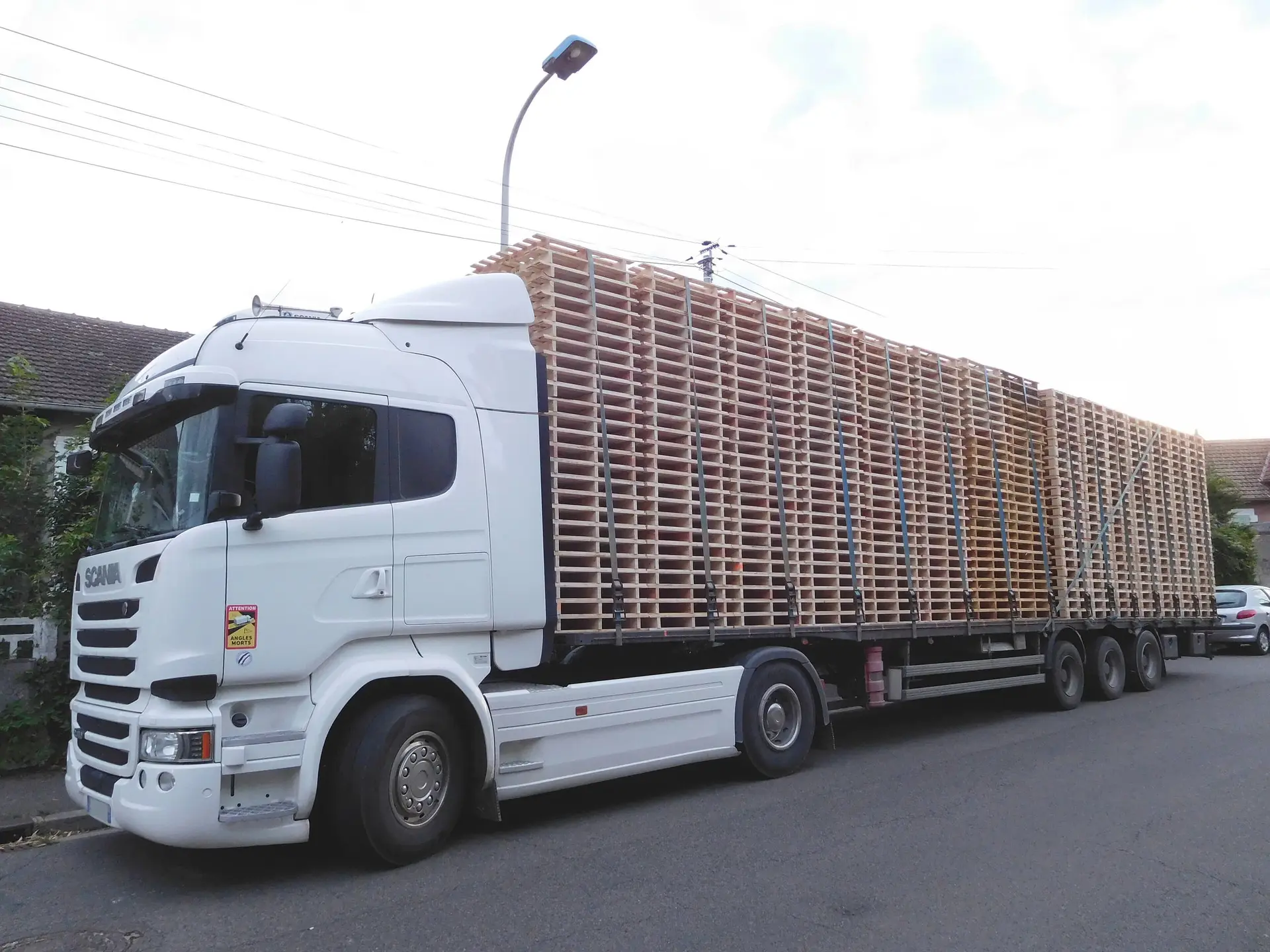
Recovering transport equipment, returnable packaging and returned goods through the same network that delivered them.

FTL, LTL, port drayage and cross-border trucking that connect every other mode to your loading dock.
Watchpoints