
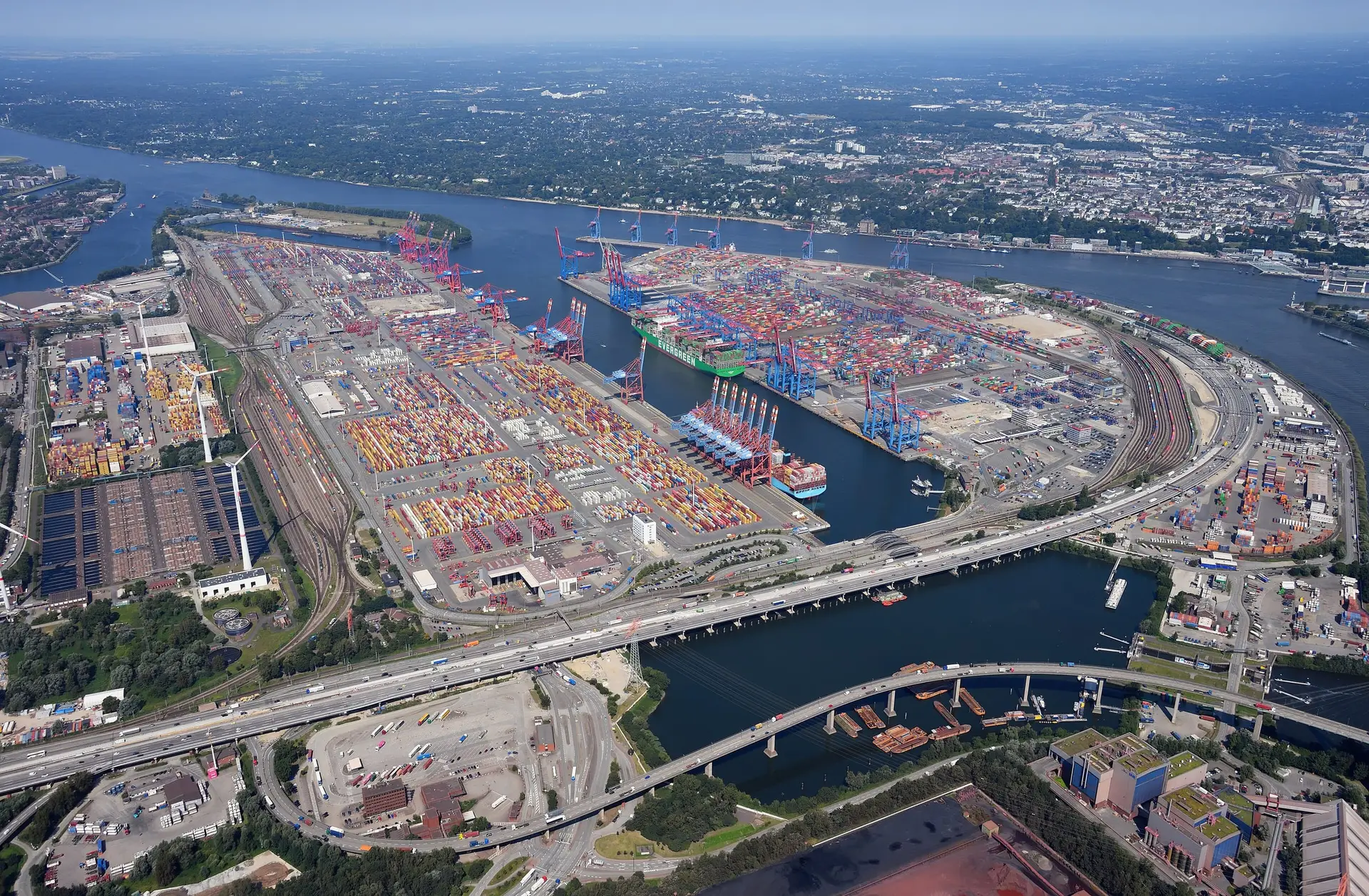
Customs & Trade Compliance
Classification, entry preparation and regulatory filings coordinated with licensed customs brokers, so cargo clears smoothly.
Coordinating global freight with precision.
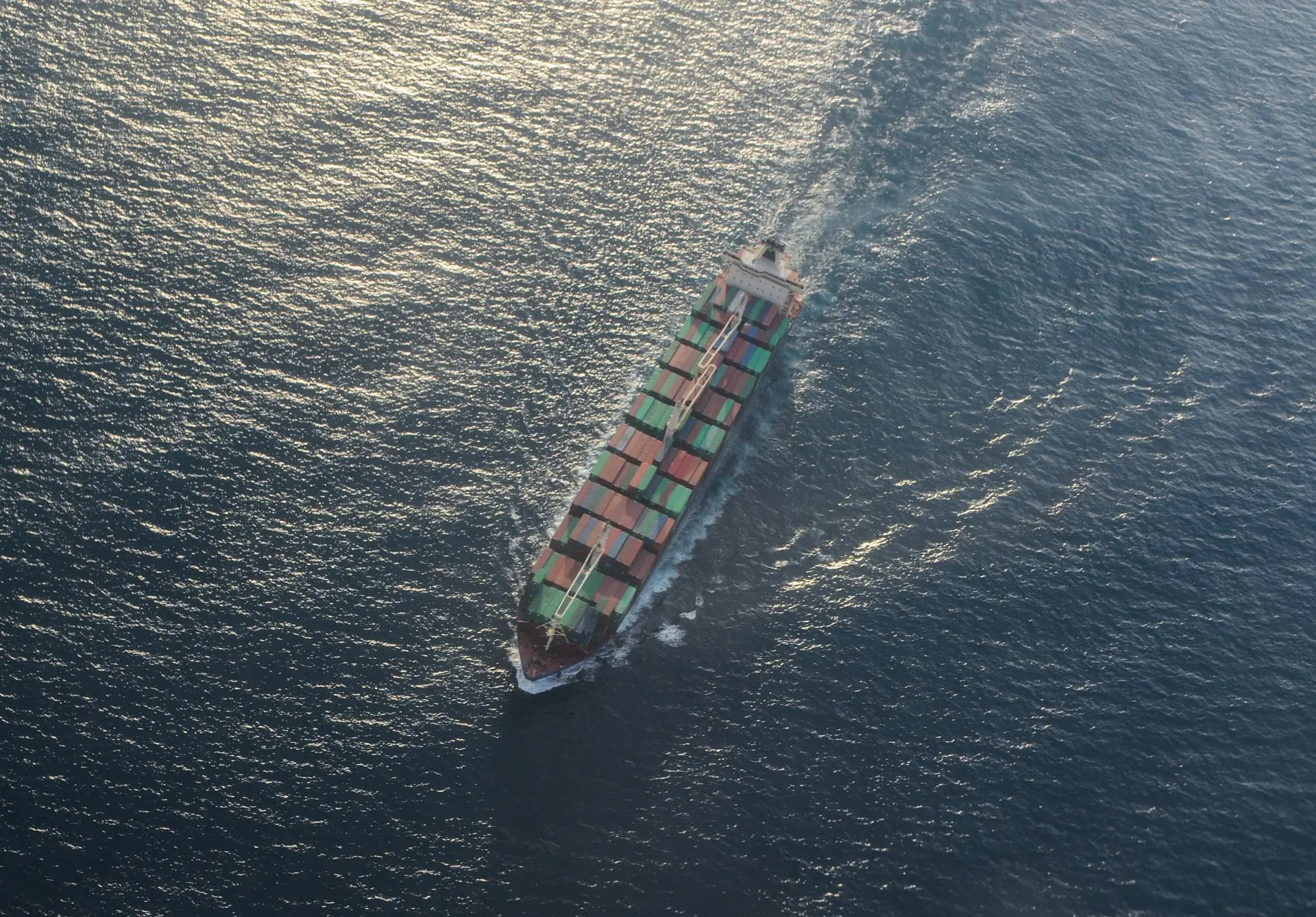
Freight Forwarding / Ocean
FCL and LCL services with free time, chassis and customs clearance arranged before the vessel sails, so your container moves straight from the terminal and landed cost stays in line with the quote.
In practice
As a working rule, a shipment above roughly 13 to 15 cubic metres starts to favour a 20-foot full container over LCL consolidation, because LCL is billed per revenue tonne and carries fixed destination charges at the container freight station. Below that, consolidation usually wins. The exact crossover moves with the trade lane and the season, so we price both.
LCL cargo is also stripped and re-handled at the destination CFS alongside other shippers' freight. For fragile or high-value goods, a full container can be the better choice well below the volume crossover.
Demurrage is charged when a container stays inside the terminal beyond its free days. Detention is charged when the container has left the terminal and is not returned in time. They are separate clocks, billed by different parties, and both start whether or not you are ready to receive.
We confirm the free-time allowance in writing at booking and schedule clearance and delivery appointments against it. Where your own dock capacity is the constraint, we raise it early so extra free days can be negotiated into the rate.
For US imports, the Importer Security Filing (ISF, commonly called 10+2) must be filed no later than 24 hours before the container is loaded at the foreign port. A late or inaccurate filing carries liquidated damages and can draw a do-not-load hold, so we manage it as a deadline of its own, days ahead of the sailing.
Under the SOLAS convention, a Verified Gross Mass must be submitted before a packed container can be loaded to a vessel. We confirm which party provides the VGM and by which method at booking, so the box makes the terminal cut-off.
Capabilities
20ft, 40ft and 40ft high cube on direct and transhipment services across the principal east–west trades.
Consolidations through partner CFS operations, billed on the greater of cubic metre or revenue tonne.
Reefer, flat rack, open top and platform equipment for cargo too large to load through the door of a standard box.
Multiple supplier collections consolidated into one container at origin, cutting per-unit cost and destination handling.
Conventional and roll-on/roll-off options for cargo outside container dimensions or already on wheels.
Drayage, chassis, customs entry and delivery appointments sequenced against free time.
Sequence
Volume, weight, commodity and required delivery window are matched to a direct or transhipment service and to the right equipment before rates are compared.
Space is confirmed and every cut-off (cargo, documentation, VGM) is placed on a single dated schedule shared with the shipper.
Collection, stuffing and loading are coordinated. ISF and origin export declarations are filed against their own deadlines, ahead of the sailing date.
Departure, transhipment and estimated arrival are tracked against the original booking and reported as soon as they change.
Entry is lodged ahead of arrival where possible, drayage is pre-booked, and delivery is scheduled inside the free-time allowance.
Questions
As a working threshold, above roughly 13 to 15 cubic metres a 20-foot container usually beats LCL on total landed cost, because LCL is billed per revenue tonne and adds destination CFS charges. Below that, consolidation is normally cheaper. Fragile or high-value cargo can justify a full container earlier, since it avoids being stripped and re-handled alongside other shippers' freight.
Demurrage accrues while the container is still inside the terminal past its free days. Detention accrues once the container has left the terminal and has not been returned by its due date. They are separate charges from separate parties, and a delayed clearance can trigger both at once.
US Customs and Border Protection can assess liquidated damages per violation and can issue a do-not-load message, which leaves the container at the origin port. Because the deadline is 24 hours before loading, a late filing surfaces days before the sailing, so we manage it as its own milestone, separate from the export paperwork.
Port-to-port transit varies by service string, transhipment and season, and a published schedule reflects the carrier's planned transit, which can change. We quote the carrier's current schedule for your specific service and keep it clearly separate from the door-to-door estimate, which includes origin collection, customs and final delivery.
Reference
Reference data to help you plan shipments and compare quotations.
Internal capacities are nominal and vary by manufacturer and box age.
Also relevant
Classification, entry preparation and regulatory filings coordinated with licensed customs brokers, so cargo clears smoothly.

Time-critical and high-value cargo on established airline and handling partners, with chargeable weight, screening and documents confirmed before booking.
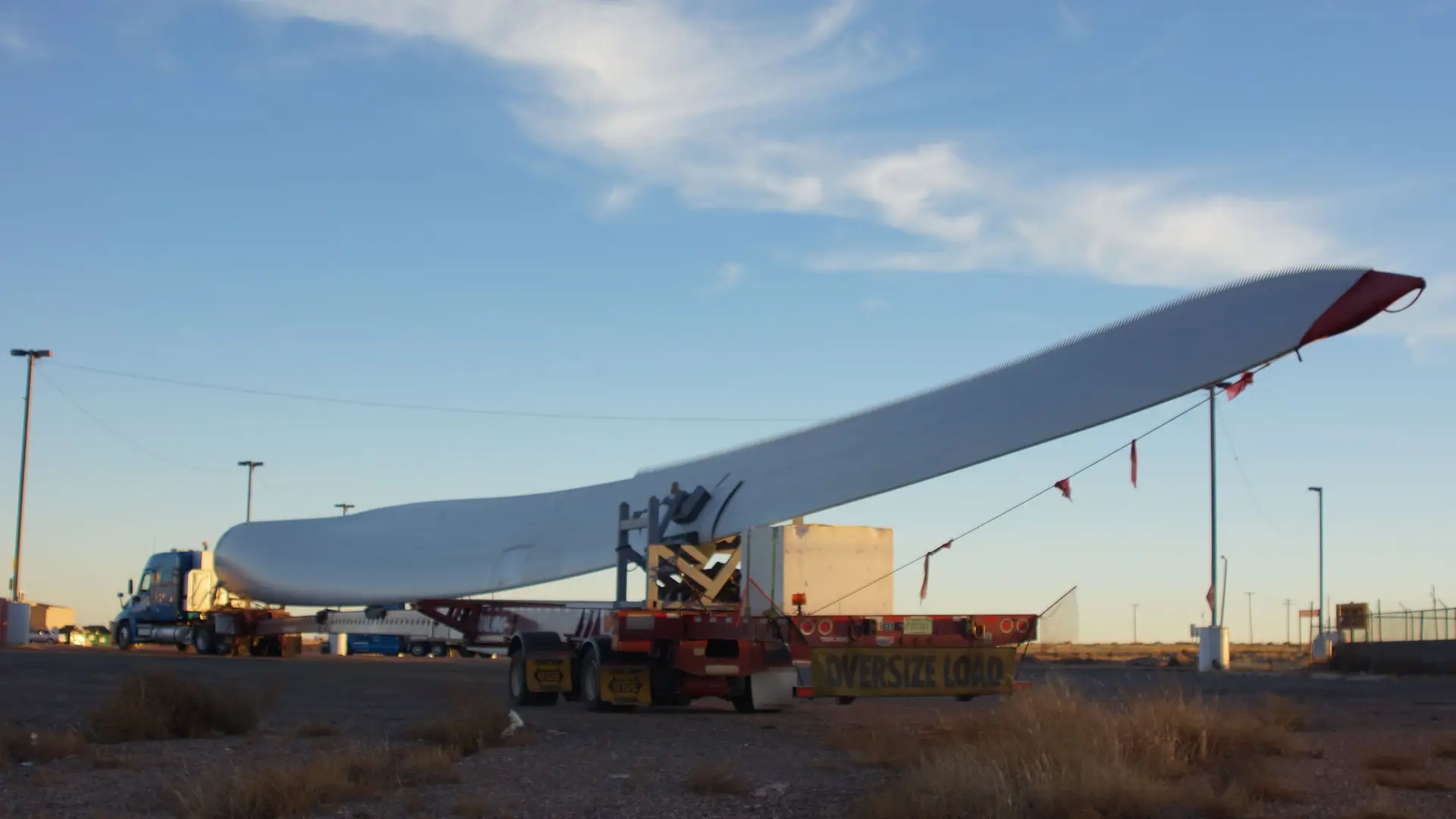
Cargo beyond standard container dimensions: planned, secured and handled through terminals equipped for it.