Ocean Freight Forwarding
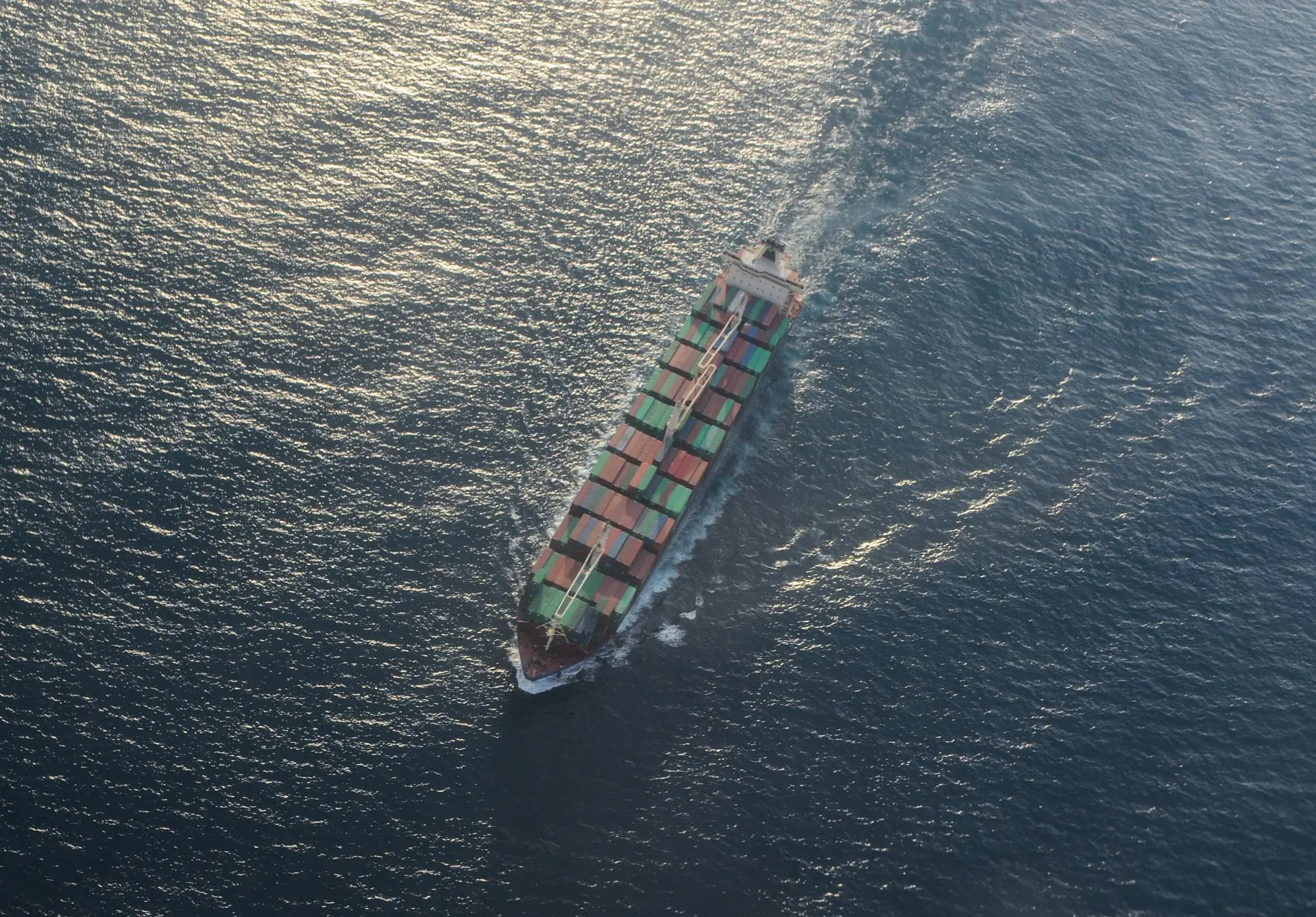
FCL, LCL and specialised equipment on the main east–west and transatlantic trades, with VGM, ISF and free time managed as part of every booking.
Coordinating global freight with precision.
Freight Forwarding / Rail
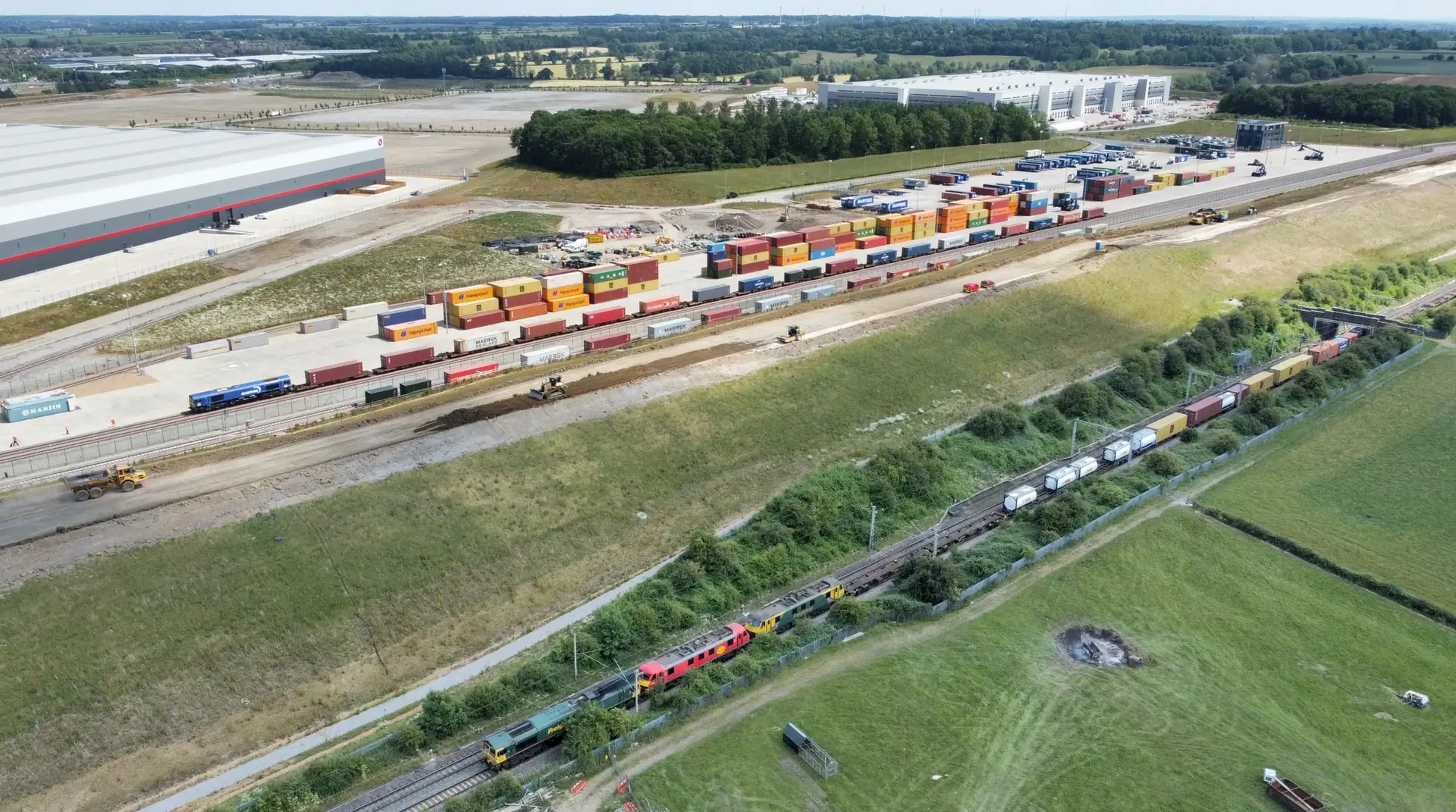
On the right corridor, rail offers a strong balance of transit time and cost. We price it alongside air and ocean whenever the route supports it, with block train and single-container options.
In practice
Rail earns its place on two kinds of movement. The first is the Eurasian land bridge between China and Europe, where a container can cross the continent in roughly half the time of an ocean sailing at a fraction of an air rate. The second is North American intermodal, where long domestic hauls move on 53-foot containers at lower cost and lower emissions per tonne-kilometre than over-the-road trucking.
On short hauls, drayage at both ends dominates the cost, and lanes with irregular service can leave cargo waiting for a train to fill. We tell you clearly which of your lanes rail suits.
European standard gauge is 1,435 mm. The former Soviet network runs on 1,520 mm. Containers moving between them have to be transhipped at a break-of-gauge point. Malaszewicze on the Polish–Belarusian border is the best known, with alternative crossings through the Trans-Caspian Middle Corridor.
Transhipment is routine and is also where congestion builds. Every Eurasian rail quote states which crossing the routing uses, because the crossing, more than the distance, usually decides whether the container arrives on the estimate.
A block train runs as a complete unit from origin terminal to destination terminal without being broken up and re-marshalled en route. It is faster and more predictable, and it suits shippers with enough volume to fill it or to take a committed share of one.
Single-container bookings ride on scheduled services alongside other shippers' boxes. They cost less to enter and suit irregular volume, running to the operator's schedule. The right choice depends on how much of your volume is predictable.
Capabilities
Westbound and eastbound container rail across the northern and Trans-Caspian routings, with the crossing point stated on every quote.
Domestic 53-foot and international container movements on the Class I network, with drayage at both ends.
Committed slots on scheduled block trains for shippers with repeatable volume on a fixed corridor.
Line-haul on rail with road for collection and delivery, priced and reported as a single door-to-door movement.
Reefer container movements on corridors with power and monitoring available for the full leg.
Rail line-haul feeding an ocean leg, used to shorten total transit or to bypass a congested gateway.
Sequence
We compare rail against the ocean and road alternative on the same door-to-door basis, including drayage, and recommend it where it performs best.
Block train allocation or a single-container slot is booked, with the routing and crossing point confirmed in writing.
Collection, stuffing and delivery to the rail terminal are scheduled against the train's cut-off.
Customs transit documentation is prepared for each territory and the gauge-break transhipment is monitored as a distinct milestone.
Terminal release, final drayage and delivery appointment are coordinated so the container clears the terminal inside its free period.
Questions
Rail generally sits between the two on both time and cost: substantially quicker than an ocean sailing on the same origin-destination pair, and substantially cheaper than air. The precise figures move with corridor congestion, season and the crossing used, so we quote the current service and its transit.
European and CIS railways run on different track widths, so containers must be lifted between wagons at the border. The cargo stays in its container; the transhipment is a queue point. We name the crossing on the quote because it is usually the deciding factor in whether a transit estimate holds.
Per tonne-kilometre, rail is typically substantially lower than road haulage over long distances. A full comparison includes the drayage legs at both ends, which narrow the advantage on short-haul moves. We can present the comparison for a specific lane on request.
A single container is entirely normal. Block trains suit shippers with repeatable volume on one corridor and buy a more predictable schedule; single-container bookings ride scheduled services and cost less to enter. The right choice follows from how predictable your volume is.
Reference
Reference data to help you plan shipments and compare quotations.
A change of gauge means a transhipment, and a transhipment means a schedule risk.
Also relevant
FCL, LCL and specialised equipment on the main east–west and transatlantic trades, with VGM, ISF and free time managed as part of every booking.
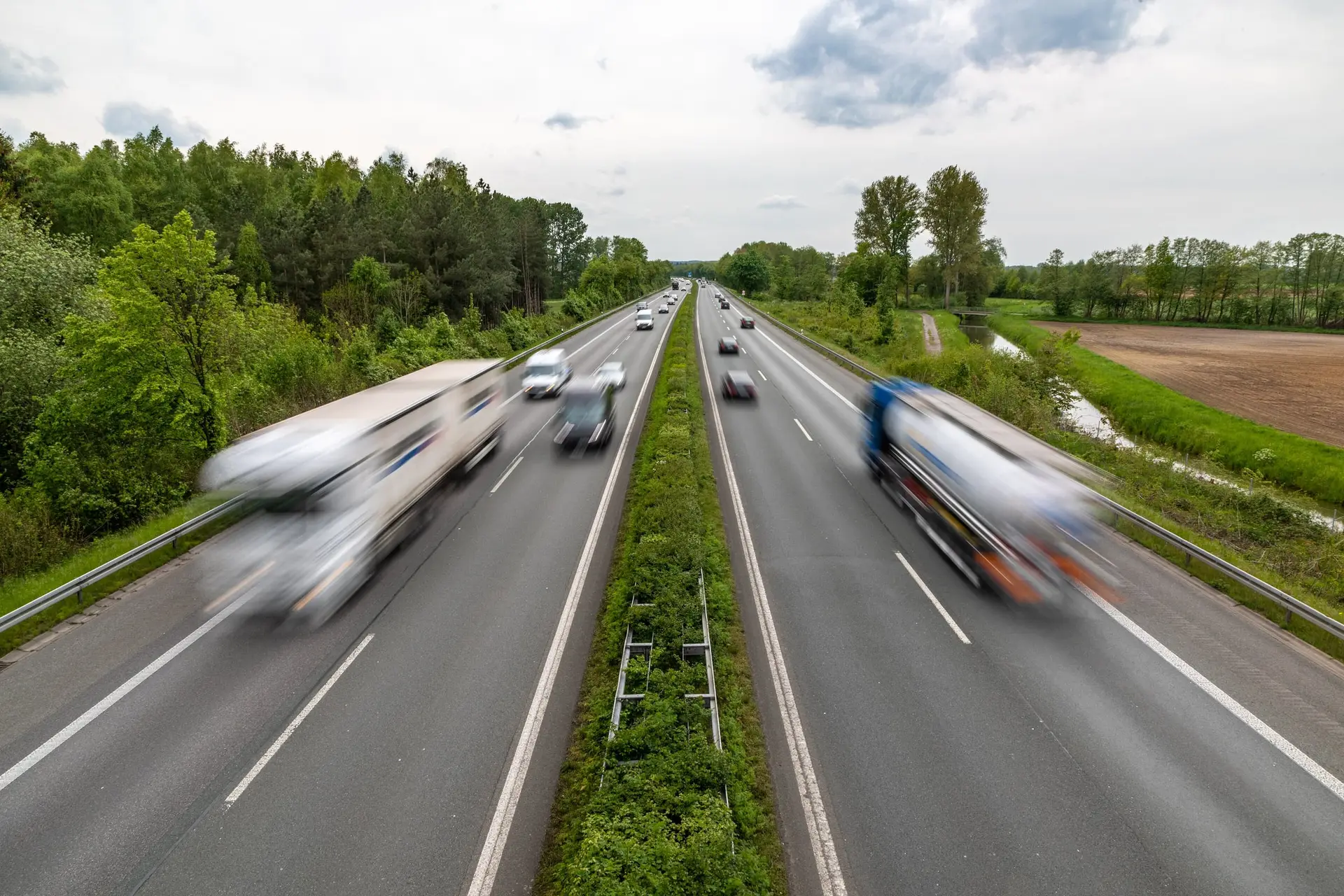
FTL, LTL, port drayage and cross-border trucking that connect every other mode to your loading dock.
Classification, entry preparation and regulatory filings coordinated with licensed customs brokers, so cargo clears smoothly.