Fulfillment & Warehousing
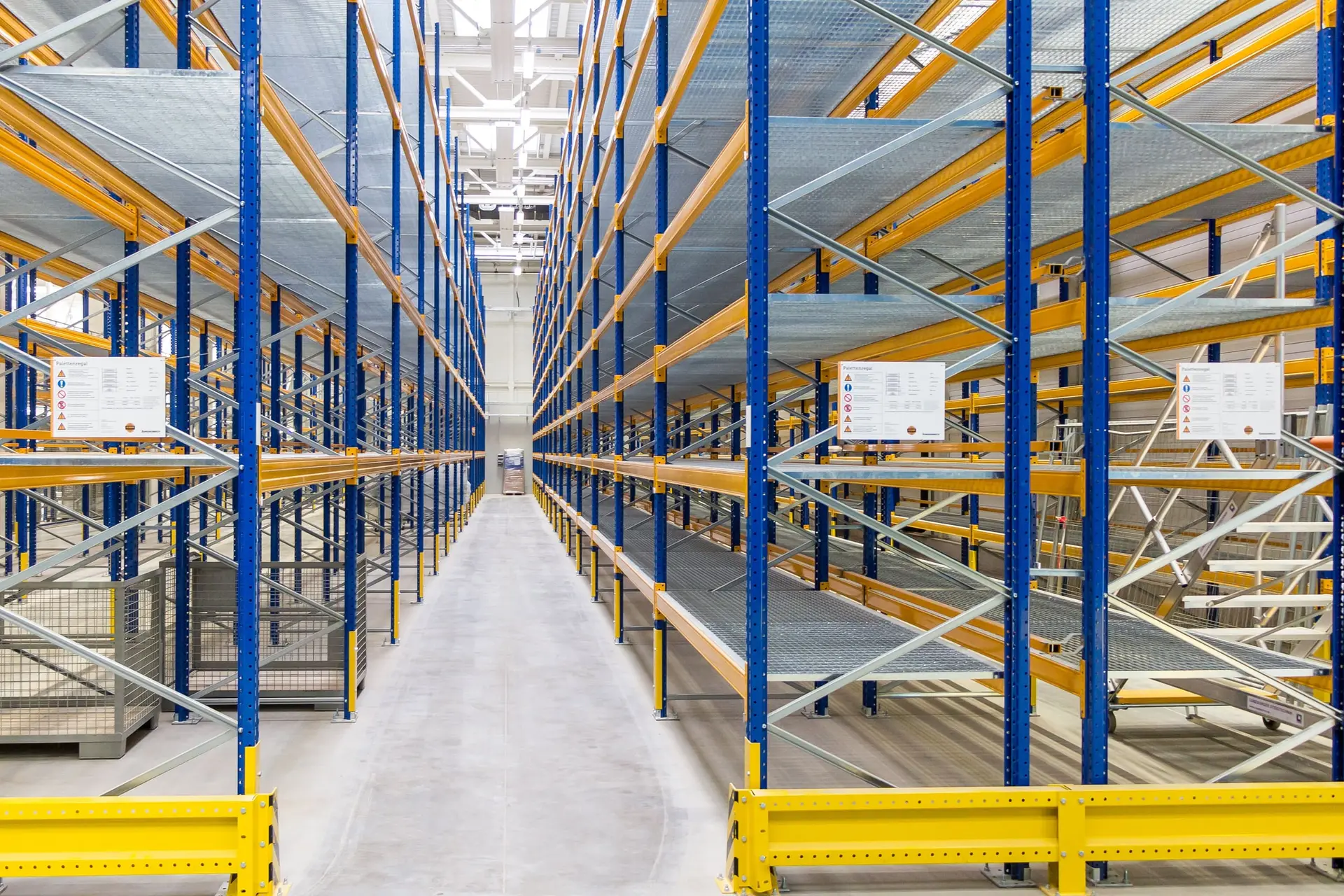
Receiving, storage, pick and pack, dispatch and returns for industrial and corporate supply chains, with inventory accuracy measured and reported.
Coordinating global freight with precision.
Specialized / Reverse
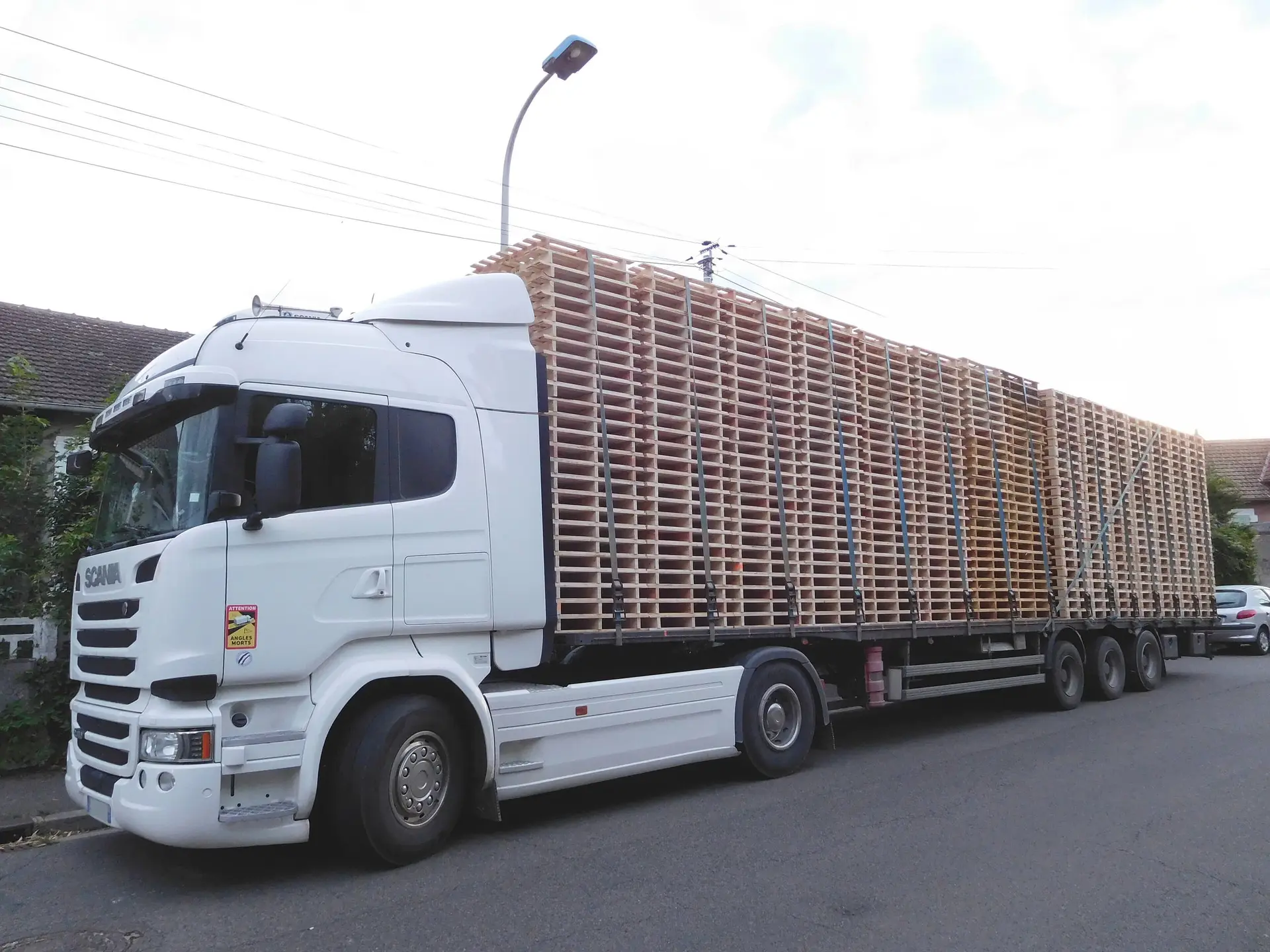
Pallets, racks, returnable packaging and returned goods are recovered on a planned, consolidated schedule, reducing losses and the cost of replacing them.
In practice
Reusable transport packaging (stillages, racks, custom cradles, plastic pallets) is bought on a business case assuming a set number of trips per unit per year. Managed recovery keeps the real trip rate close to that assumption and protects the saving from replacement spend.
Managing the reverse flow means knowing where the units are, how long a cycle takes and where units are lost. With cycle time measured, the fleet is sized against actual use.
Return legs are individually small and geographically scattered, so we consolidate them into scheduled collection rounds against existing delivery routes.
Where a forward delivery is already going to a location, the return can often ride back on the same movement. We plan the forward and reverse flows together to make that possible.
Every returned item needs a decision: restock, repair, hold for inspection, return to supplier or scrap. Clear rules make that decision quickly, while the goods still hold their value.
We agree disposition rules before the first return is received (what condition qualifies for restock, what triggers inspection, who authorises a scrap), so items move straight through.
Capabilities
Tracking, recovery and cycle-time measurement for stillages, racks, cradles and reusable packaging.
Movement of empty transport equipment back into position, planned against forward flows.
Scheduled collection rounds that consolidate scattered returns.
Receipt, inspection and routing to restock, repair, quarantine, supplier return or disposal under pre-agreed rules.
Damaged assets routed to repair partners and returned to the active pool.
Cycle time, recovery rate and loss points reported so the asset fleet can be sized against measured behaviour.
Sequence
Existing reverse movements are mapped: what goes out, what should come back and where units are being lost.
Disposition rules, condition criteria and authorisation levels are agreed in writing before the first collection.
Returns are consolidated into scheduled rounds aligned to existing forward routes.
Units are received, inspected against the agreed criteria and routed straight to their disposition.
Recovery rate, cycle time and loss points are reported, and the asset fleet is sized against measured behaviour.
Questions
Owned recovery. When the reverse flow has its own process, units return from customer sites promptly, cycle times hold and trips per unit per year track the business case. Measuring actual cycle time is the first step.
By consolidating them into scheduled rounds that use existing forward routes. That requires forward and reverse flows to be planned by the same party, which is how we run them.
They follow the disposition rules agreed at setup: inspected against defined condition criteria and routed to repair, quarantine, supplier return or disposal, with the decision recorded. Criteria agreed before the first return keep items moving.
Yes, and it works considerably better that way. When the same operation handles outbound and returns, collections can ride back on delivery routes and returned stock re-enters inventory through the same controlled receipt process. One operation gives full visibility across both flows.
Reference
Reference data to help you plan shipments and compare quotations.
Also relevant
Receiving, storage, pick and pack, dispatch and returns for industrial and corporate supply chains, with inventory accuracy measured and reported.
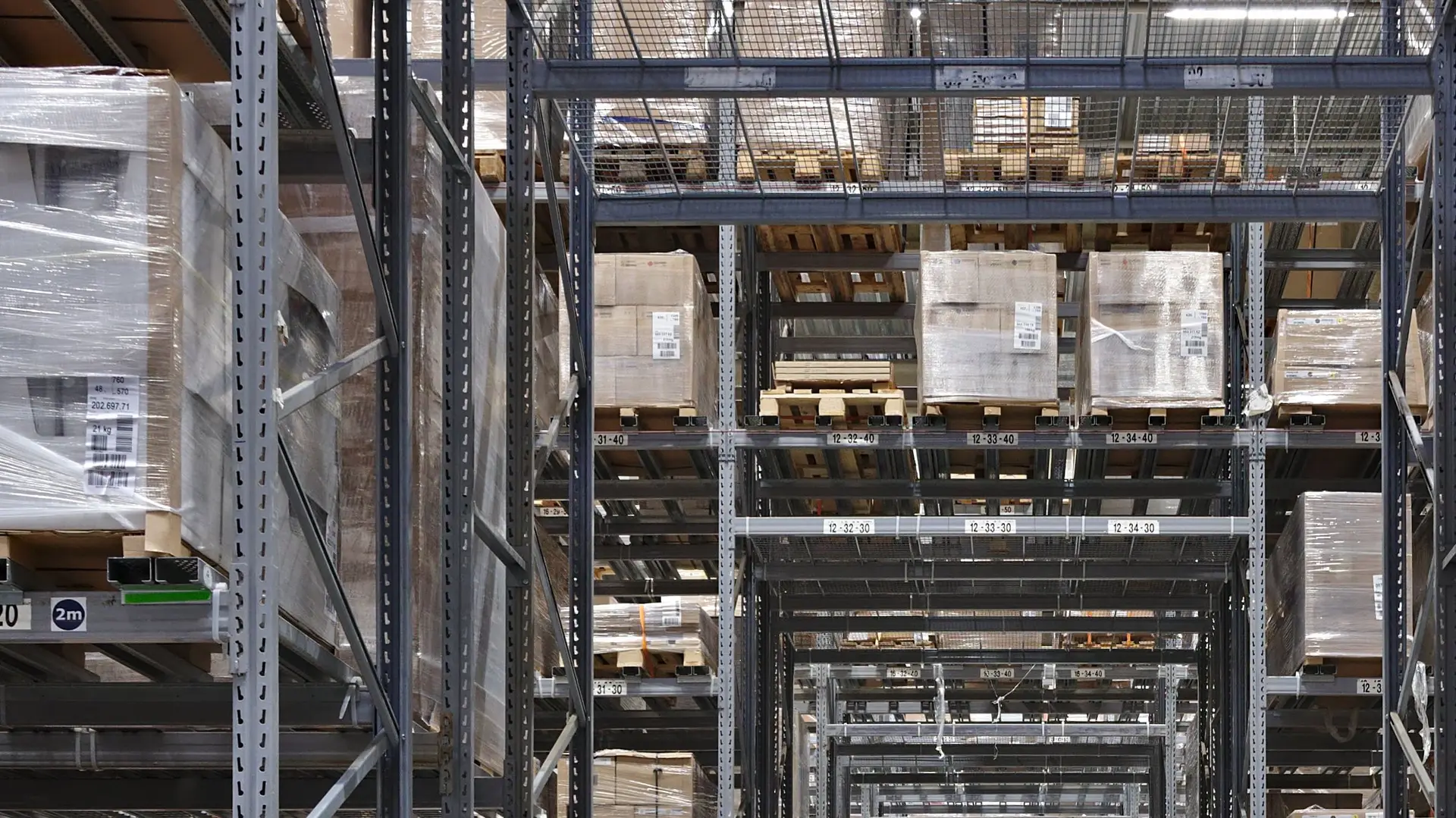
Defined operational responsibility inside your warehouse or logistics site: setup, workforce coordination, KPI control and process improvement.
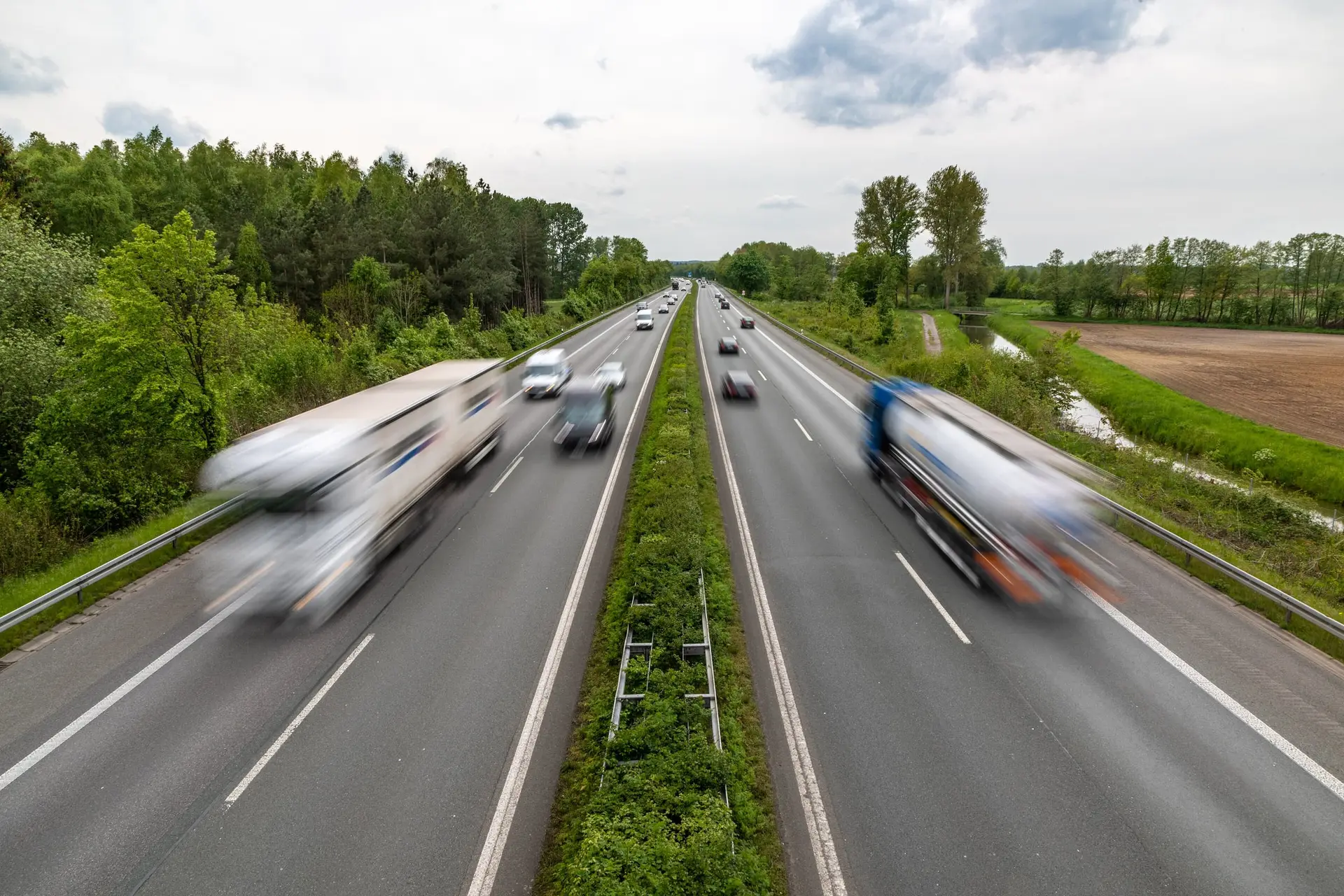
FTL, LTL, port drayage and cross-border trucking that connect every other mode to your loading dock.