
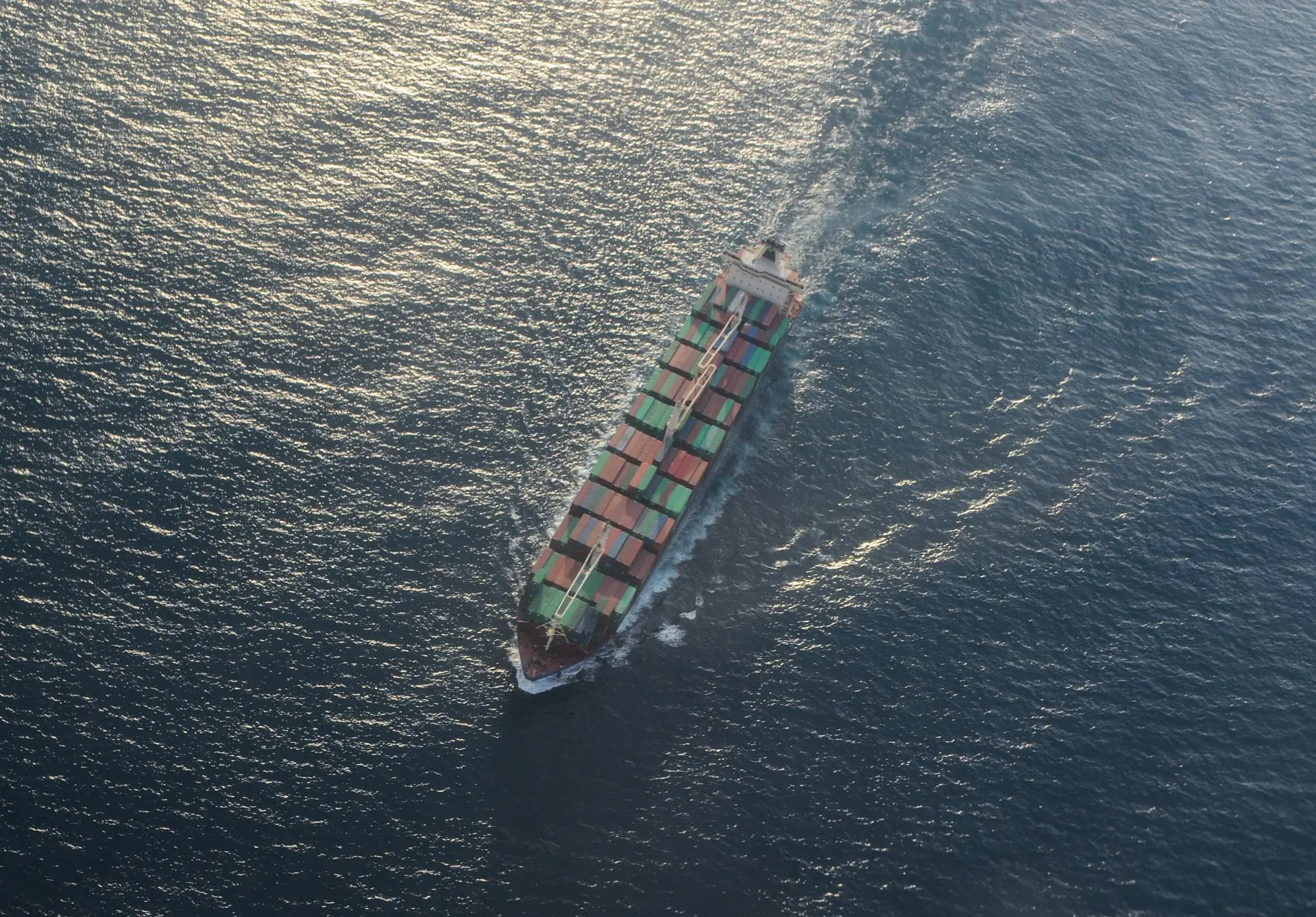
Ocean Freight Forwarding
FCL, LCL and specialised equipment on the main east–west and transatlantic trades, with VGM, ISF and free time managed as part of every booking.
Coordinating global freight with precision.

Freight Forwarding / Air
We match the service level to your deadline (next flight out, express or consolidated), confirm chargeable weight before booking and arrange screening in advance, so cargo moves through the gateway without delay.
In practice
We work backwards from the date cargo has to be on the receiving dock, subtract customs clearance and final-mile trucking, and then choose the most economical service level that meets the deadline.
Next Flight Out moves on the first available departure and is priced accordingly. Standard consolidated service moves on scheduled airline capacity through partner build-up operations, usually at a meaningful discount for one or two additional days. Deferred service uses lower-priority capacity and suits cargo that is too valuable for ocean but not urgent.
Airlines bill on whichever is greater: actual gross weight, or volumetric weight calculated at the IATA divisor of 6,000 cm³ per kilogram. A pallet of light, bulky goods can be billed at three times its scale weight. We calculate both figures from your dimensions at quotation stage, so the invoice matches the quote.
Where the volumetric figure dominates, we review the options before build-up: restacking to a lower profile, removing pallet overhang or switching to a container-fitted unit load device.
Cargo tendered to a US passenger carrier must be screened under the TSA air cargo security programme, and shipments moving to and from the United States are subject to advance cargo information filing before loading. We coordinate these steps with the handling agent and carrier so cargo clears acceptance on schedule.
Dangerous goods, lithium batteries and temperature-controlled pharmaceutical cargo each carry their own packing, labelling and declaration requirements, with state and operator variations layered on top of the IATA regulations. Where a shipment falls into one of these categories we confirm the classification and the correct declaration before a booking is raised.
Capabilities
First available departure for AOG, production-down and clinical-deadline cargo, airport-to-airport or door-to-door.
Scheduled capacity through partner consolidations on the principal transatlantic and transpacific gateways.
Full or partial aircraft charter arranged through broker partners for cargo whose weight or dimensions exceed scheduled capacity.
Active and passive cold chain lanes coordinated with handling partners operating to pharmaceutical handling standards.
IATA DGR classification review, packing instruction confirmation and Shipper's Declaration preparation with certified partners.
Pallet and container build planned to airline contour limits, so cargo is accepted at the gateway as built.
Sequence
We start from the required delivery date and the commodity. Dimensions, gross weight, stackability, classification and Incoterm are confirmed in writing.
Gateway pairs and carrier options are compared on full door-to-door transit time. Chargeable weight is calculated and shared with the quote.
Capacity is confirmed with the carrier, the air waybill is raised, and export documentation is checked against the destination's requirements before tender.
Cargo is delivered to the handling agent, screened, built to the correct ULD contour and confirmed uplifted. Departure and arrival are reported against the booking.
Arrival, customs entry, terminal release and final-mile trucking are run as one sequence, so cargo moves from the airport to your dock without accruing storage.
Questions
On chargeable weight: the greater of actual gross weight and volumetric weight, where volumetric weight is length × width × height in centimetres divided by 6,000. Airline rates also break at weight bands, so a shipment sitting just under a break point is often cheaper to book at the higher band. We check that on every quote.
The Master Air Waybill is the contract between the airline and the forwarder for the whole consolidation. The House Air Waybill is issued by the forwarder to the individual shipper for their portion of it. If you are one of several shippers on a consolidated flight, your document is the HAWB.
Yes, through certified partners. Lithium batteries carry state and operator variations on top of the IATA Dangerous Goods Regulations, so classification, packing instruction and UN number are confirmed before a booking is raised.
Not always by as much as the flight time suggests. Handling, screening, customs clearance and final-mile trucking often add two to four days to a six-hour flight. On short sea lanes and North American cross-border moves, expedited road can match air door to door at a fraction of the cost. We recommend road when that is the case.
Reference
Reference data to help you plan shipments and compare quotations.
Airlines invoice on the greater of the two figures.
Also relevant
FCL, LCL and specialised equipment on the main east–west and transatlantic trades, with VGM, ISF and free time managed as part of every booking.
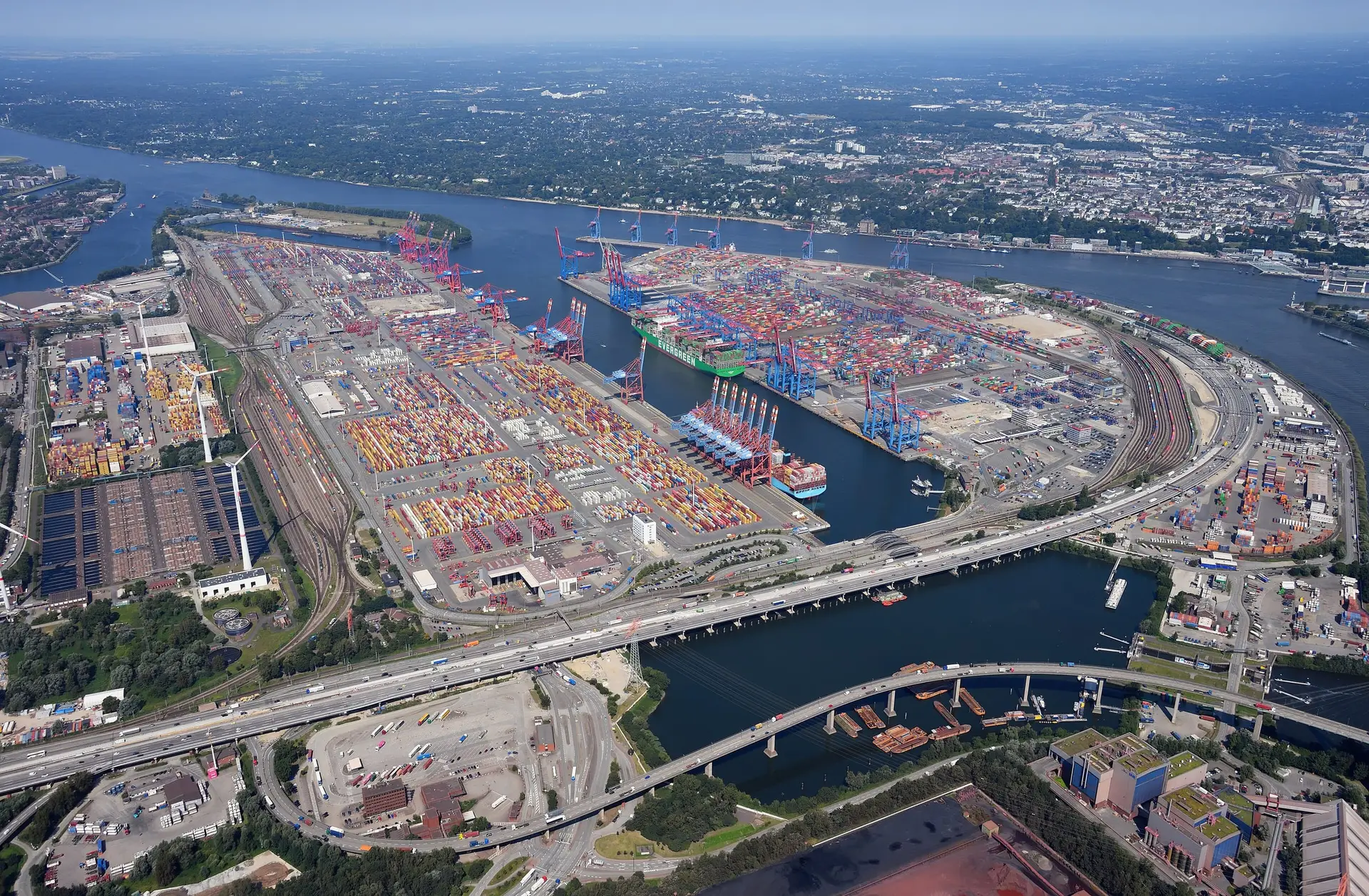
Classification, entry preparation and regulatory filings coordinated with licensed customs brokers, so cargo clears smoothly.
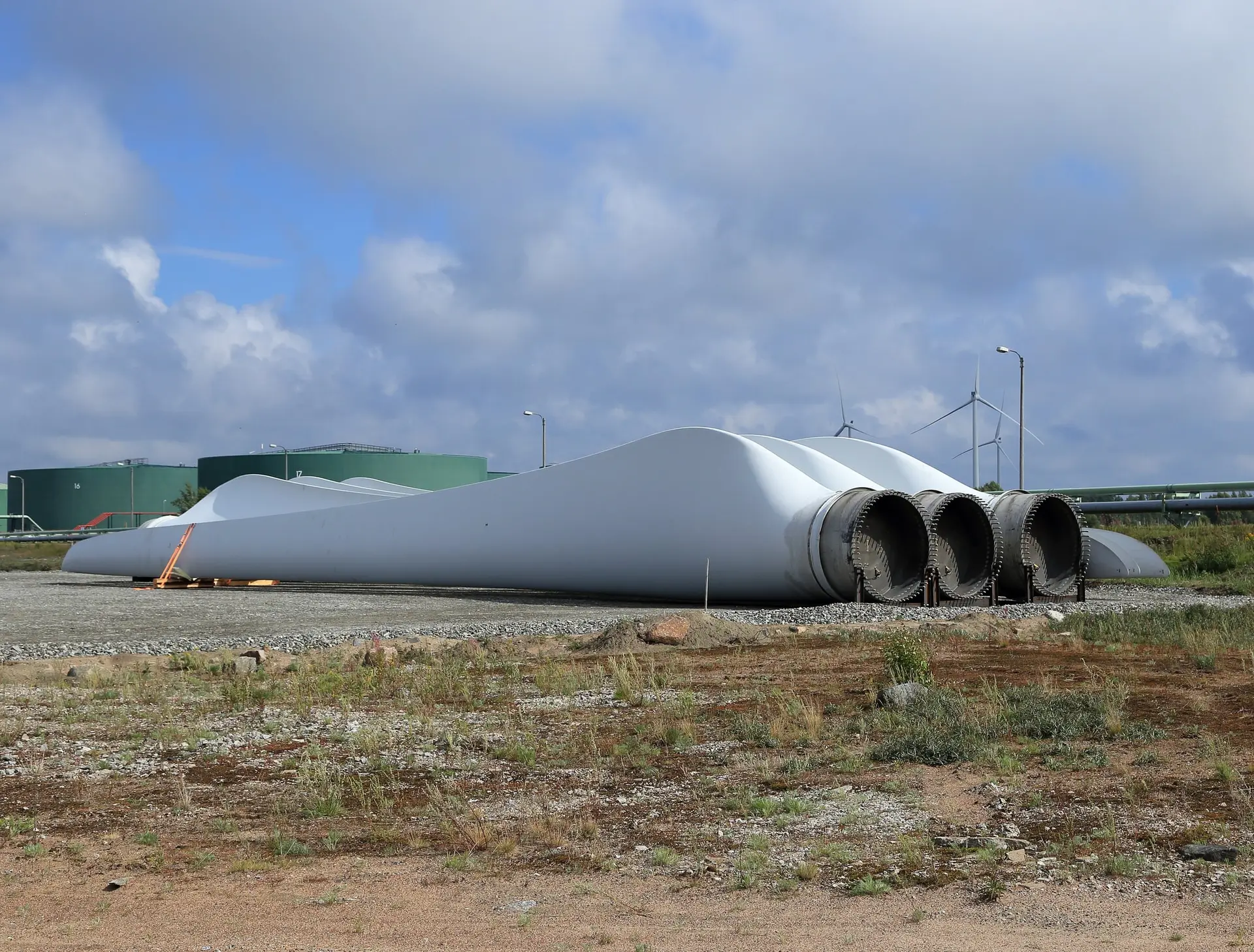
Heavy and multi-modal project movements, with route survey, lift method, permits and escorts resolved before a carrier is booked.