
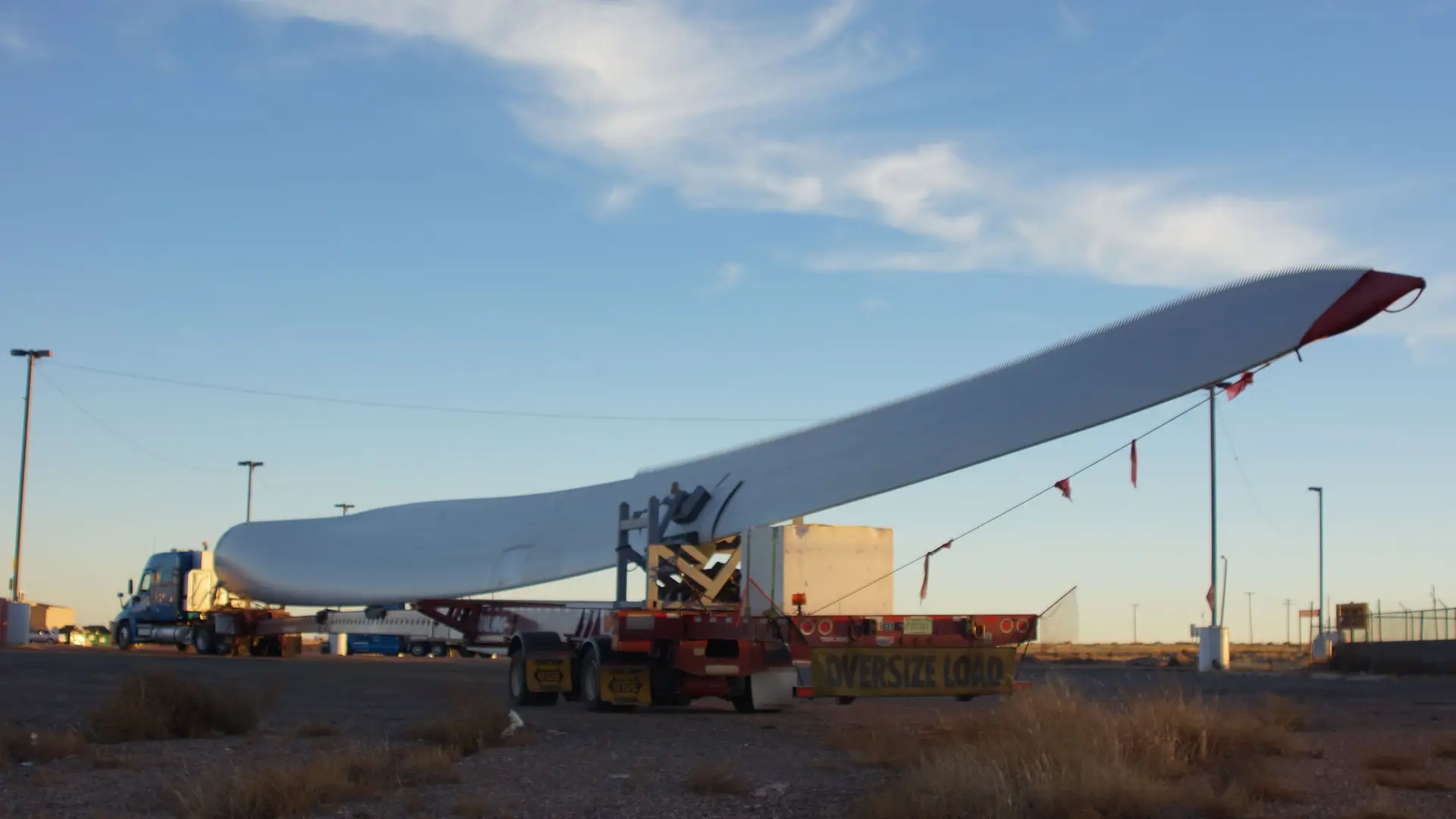
Out-of-Gauge & Cargo Facility
Cargo beyond standard container dimensions: planned, secured and handled through terminals equipped for it.
Coordinating global freight with precision.
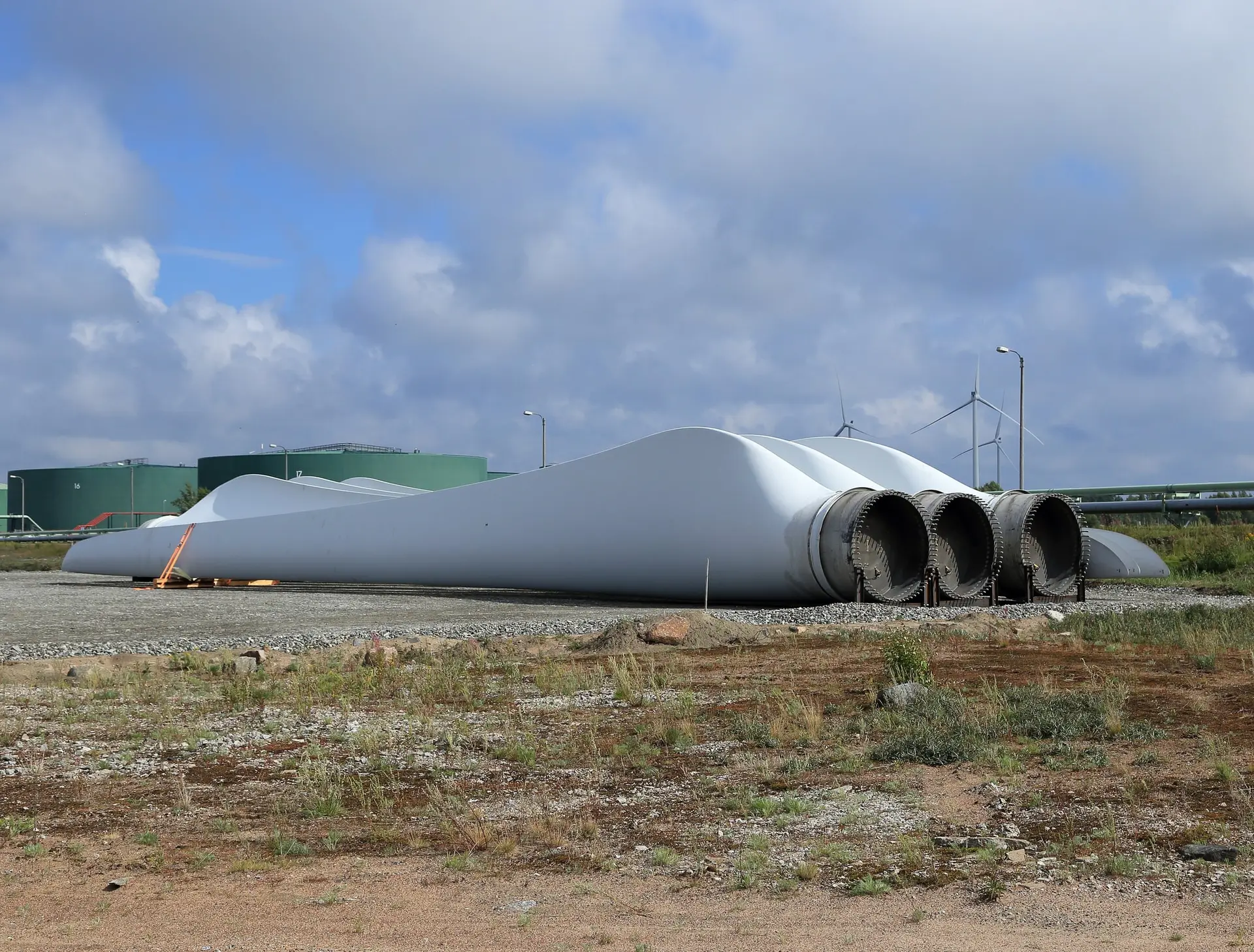
Specialized / Project
Route surveys, lift methods, permits and escorts are planned before the move begins, so heavy and complex cargo arrives safely and on schedule.
In practice
A route survey establishes whether the cargo can physically make the journey: overhead clearances, bridge load ratings, turning radii at every junction, road gradients, and the sequence of authorities whose permission is required. Swept path analysis models how a long load actually tracks through a corner.
We survey first and quote second. Where the survey identifies a constraint on the route, we report it and assess alternatives before any commitment is made.
How a piece is lifted constrains how it can travel, and the reverse. A component that has to be lifted by a vessel's own gear is limited by that gear's capacity and outreach. One that can go through a shore crane opens up different vessels. One that can roll opens up RoRo and removes the lift question almost entirely.
We work the lift method and the transport mode as one decision, with the lift plan and lashing arrangement drawn up against the cargo's actual centre of gravity and lifting points.
Abnormal load permits are issued per jurisdiction, have their own lead times, and frequently restrict movement to specific hours or days. Police or civil escort may be mandatory. Utilities may need to lift cables. Each of these is a separate authority with its own timetable.
On a project move, the permit calendar usually sets the delivery date more than the transit time does. We build the schedule backwards from permit lead times, so the date we give you is one the authorities can support.
Capabilities
Physical survey of clearances, load ratings, gradients and turning geometry, with swept path analysis for long loads.
Lift method, rigging arrangement and crane selection worked against actual centre of gravity and designated lifting points.
Abnormal load permits, movement windows, police and civil escort, and utility coordination across each jurisdiction on the route.
Break bulk, RoRo, flat rack, barge and specialised road equipment combined into one sequenced movement.
Stowage and securing arrangements prepared to recognised cargo securing practice, with calculations retained on file.
Written method statement and risk assessment per movement phase, issued before execution.
Sequence
Dimensions, weight, centre of gravity, lifting points and any handling restriction are taken from drawings and confirmed against the physical piece.
The full route is surveyed for clearance, load rating and geometry, and alternatives are assessed where a constraint cannot be cleared.
Lift method, transport mode and securing arrangement are fixed, and permit applications are lodged against their own lead times.
Equipment, escorts and personnel are mobilised to a dated plan, with the method statement issued to every party before movement.
The movement runs under supervision with each phase signed off, and the cargo is handed over at the designated point with documentation complete.
Questions
Lead time is set by the permit process and by equipment availability. Abnormal load permits vary by jurisdiction and can take weeks, and specialised trailers and cranes are booked well ahead. We build the planning window backwards from permit lead times, starting with the survey.
It is a physical assessment of whether the cargo can make the journey: clearances, bridge load ratings, turning geometry, gradients and ground conditions. Any cargo exceeding normal road limits needs one, because a single overpass can stop the movement entirely.
Sometimes. A flat rack or open top handles cargo that exceeds the internal height or width of a standard box while staying within the container framework, which keeps it in the container shipping system. Beyond that, the move becomes break bulk, RoRo or barge, and that decision changes the vessel options and the ports available.
The manufacturer specifies where a piece may be lifted and what its centre of gravity is. That specification drives the lift plan and the rigging. Where it is missing or incomplete, it is established before any lift is planned.
Reference
Reference data to help you plan shipments and compare quotations.
Also relevant
Cargo beyond standard container dimensions: planned, secured and handled through terminals equipped for it.
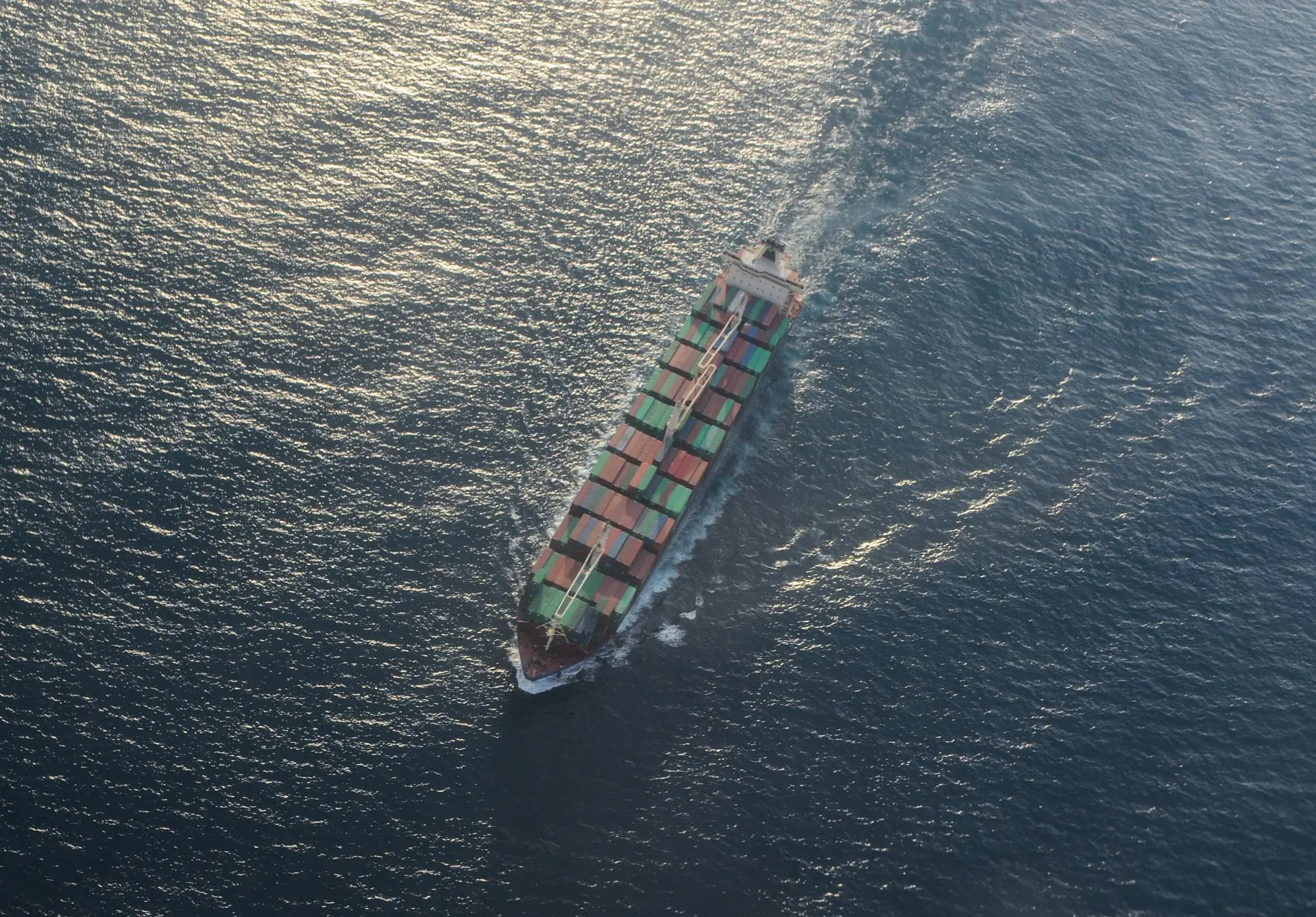
FCL, LCL and specialised equipment on the main east–west and transatlantic trades, with VGM, ISF and free time managed as part of every booking.

FTL, LTL, port drayage and cross-border trucking that connect every other mode to your loading dock.