
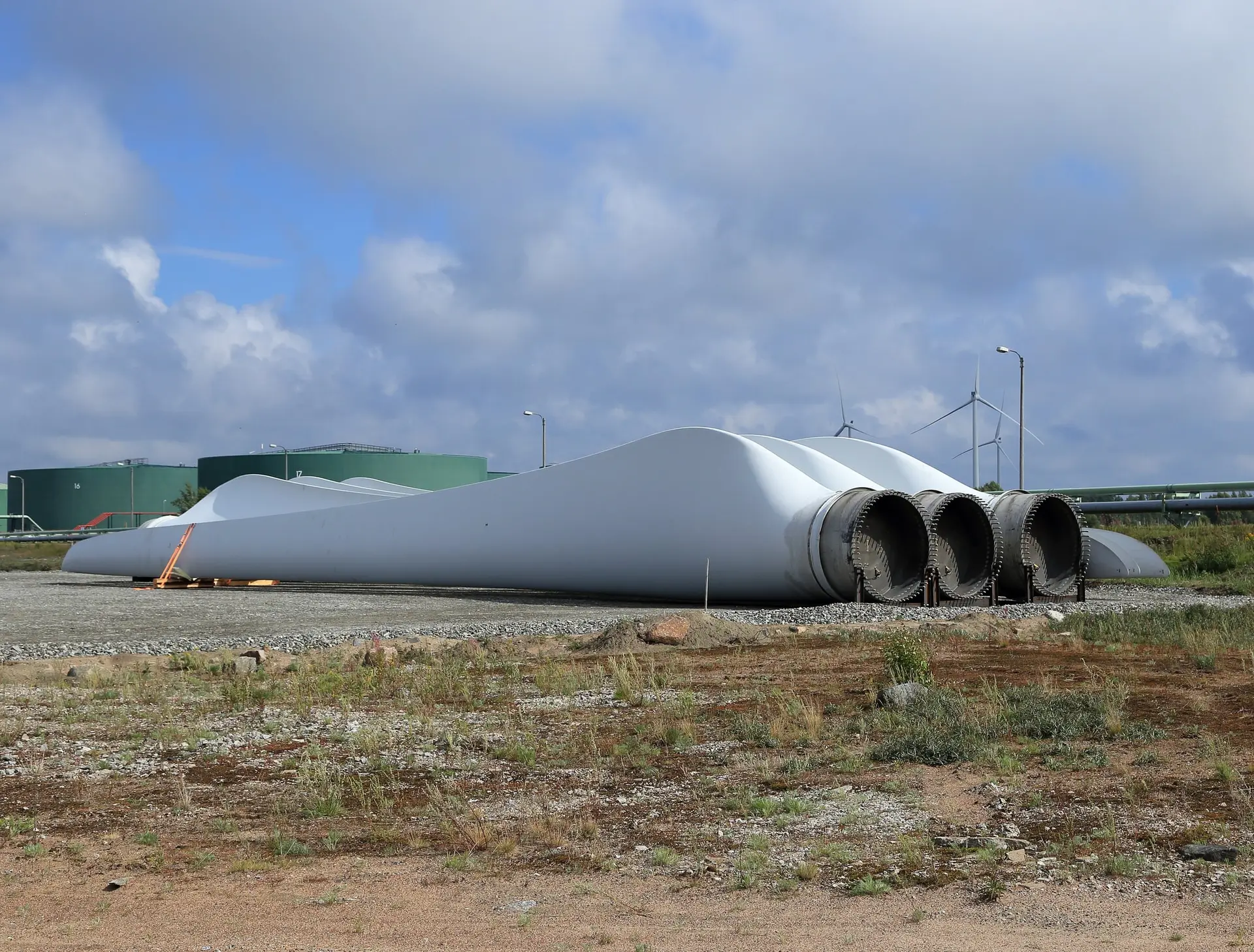
Project Cargo & Heavy Lift
Heavy and multi-modal project movements, with route survey, lift method, permits and escorts resolved before a carrier is booked.
Coordinating global freight with precision.
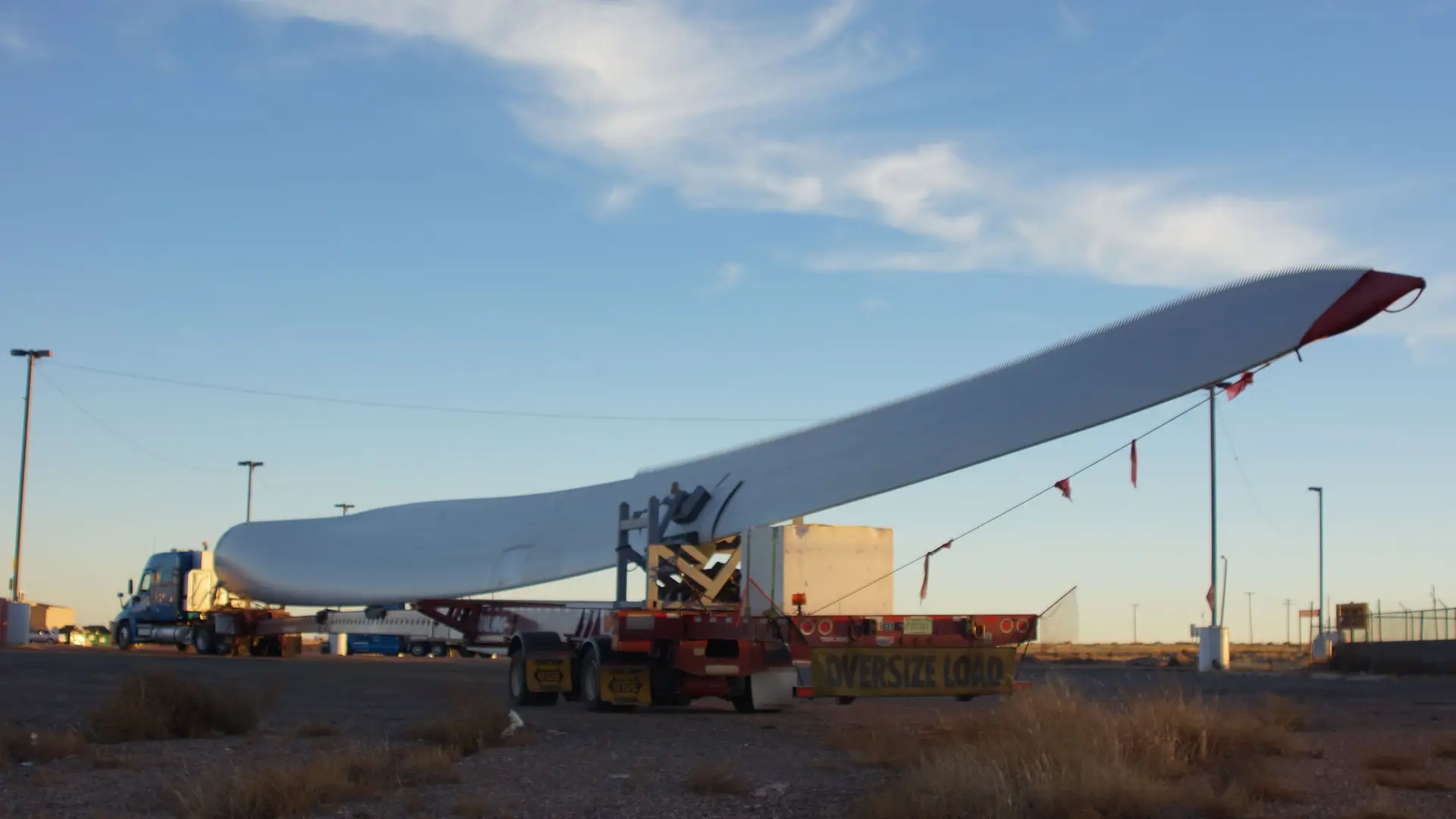
Specialized / Out-of-Gauge
Flat racks, open tops and break bulk, with equipment, stowage, securing and terminal capability confirmed before your cargo is booked.
In practice
Cargo loaded on a flat rack that stays within the container's own footprint and height is in-gauge: it can be stowed and stacked like any other box. The moment it protrudes beyond that envelope it becomes out-of-gauge, and the carrier has to reserve the adjacent and overhead slots that can no longer be used.
Out-of-gauge is therefore priced on the slots it sterilises. A load protruding a few centimetres over the side can cost several times one that fits, so we check whether the piece can be reoriented, disassembled or built onto a lower cradle before booking.
Cargo securing on a vessel is governed by recognised practice covering the forces cargo experiences at sea: rolling, pitching and heaving all impose loads far beyond the cargo's static weight. Lashing arrangements are calculated against those forces.
We prepare the securing arrangement with the calculation retained on file, using the correct lashing points and materials for the load. That calculation is the record a terminal will ask to see, and the reference if cargo ever shifts.
Handling out-of-gauge cargo needs lifting capacity, laydown area and a terminal equipped to work it. Facilities set their own limits on dimensions, weight and configuration, so capability is a routing constraint checked at both ends before booking.
We confirm terminal capability at origin and destination as part of planning, so the cargo has a confirmed discharge point before it sails.
Capabilities
Flat rack, open top, platform or break bulk chosen against the piece's actual dimensions, weight and lifting arrangement.
Stow position agreed with the carrier, including the adjacent and overhead slots an out-of-gauge load sterilises.
Lashing arrangements calculated to recognised cargo securing practice, with the calculation retained on the shipment file.
Lifting capacity, laydown area and handling restrictions confirmed at origin and destination before booking.
Support cradles, bracing and protective packing specified so the load presents correctly to the equipment.
Independent loading survey and photographic condition record arranged where the cargo value or complexity warrants it.
Sequence
Actual dimensions, weight and centre of gravity are established and compared against container envelopes to determine gauge status.
Equipment is selected and stow position agreed with the carrier, including any slots the load sterilises.
Cradles, bracing and lashing arrangement are specified and calculated, with materials and rated points confirmed.
Loading is supervised, the securing arrangement verified against the plan, and a photographic condition record taken.
Discharge terminal capability is confirmed ahead of arrival and onward road movement is planned against its own clearance constraints.
Questions
Any part of the load protruding beyond the container's own envelope: over the height, the width or the ends. Cargo on a flat rack that stays inside the footprint is in-gauge and stows normally. Once it protrudes, the carrier loses the use of the neighbouring slots, and that is what the pricing reflects.
It is priced on the slots it makes unusable. A load protruding a short distance over one side can block several adjacent positions. We check whether the piece can be reoriented, part-disassembled or set on a lower cradle before accepting the out-of-gauge rate.
The party loading the cargo is responsible for securing it correctly, and the arrangement should be calculated against the forces cargo experiences at sea. We prepare the securing arrangement with the calculation retained on the shipment file, which is also what a competent terminal or surveyor will ask to see.
No. It requires lifting capacity, laydown space and a terminal equipped to work it, and facilities set their own limits on dimensions and configuration. We confirm capability at both origin and destination during planning.
Reference
Reference data to help you plan shipments and compare quotations.
Nominal figures. Payload and internal dimensions vary by build.
Also relevant
Heavy and multi-modal project movements, with route survey, lift method, permits and escorts resolved before a carrier is booked.
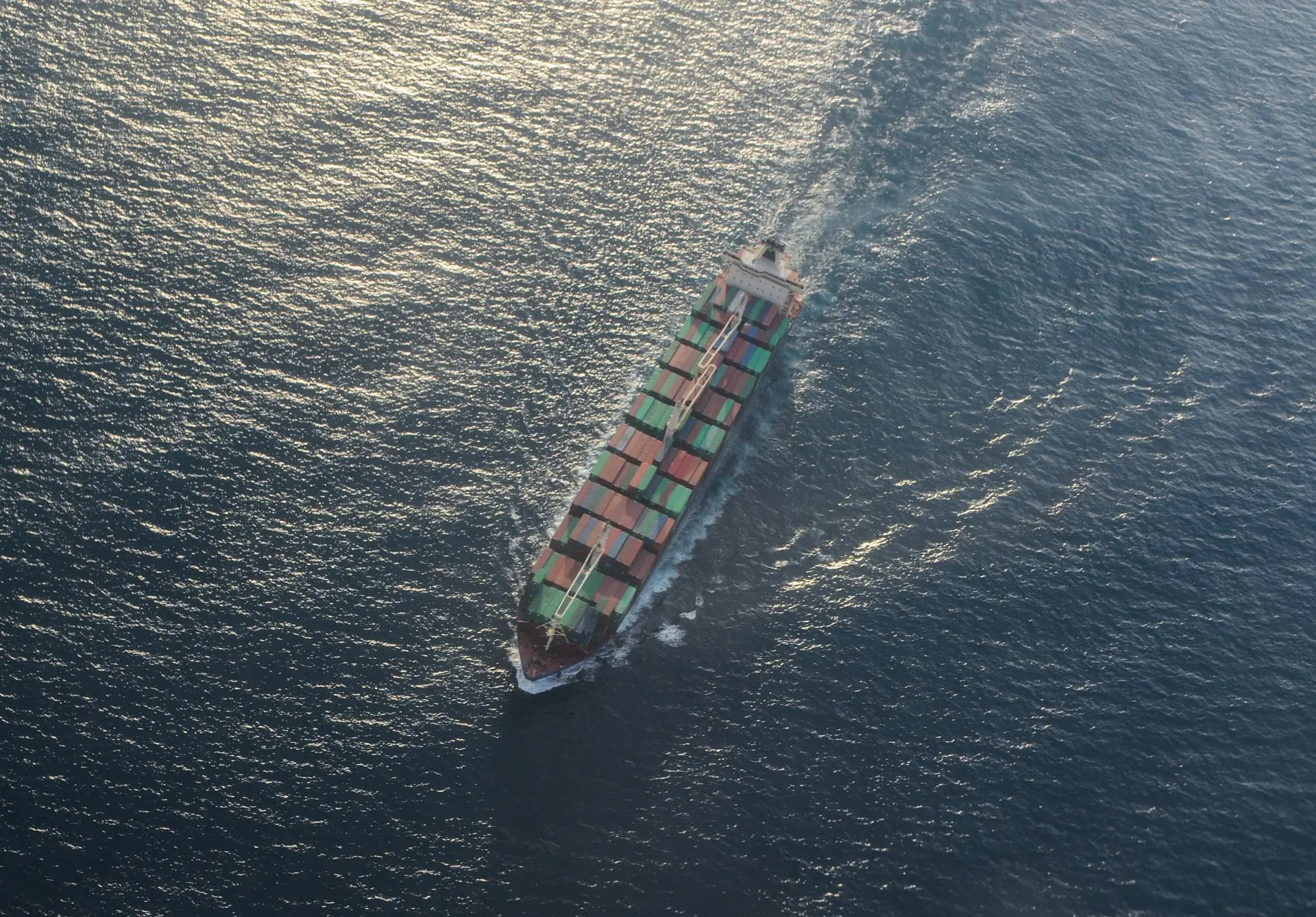
FCL, LCL and specialised equipment on the main east–west and transatlantic trades, with VGM, ISF and free time managed as part of every booking.

FTL, LTL, port drayage and cross-border trucking that connect every other mode to your loading dock.