
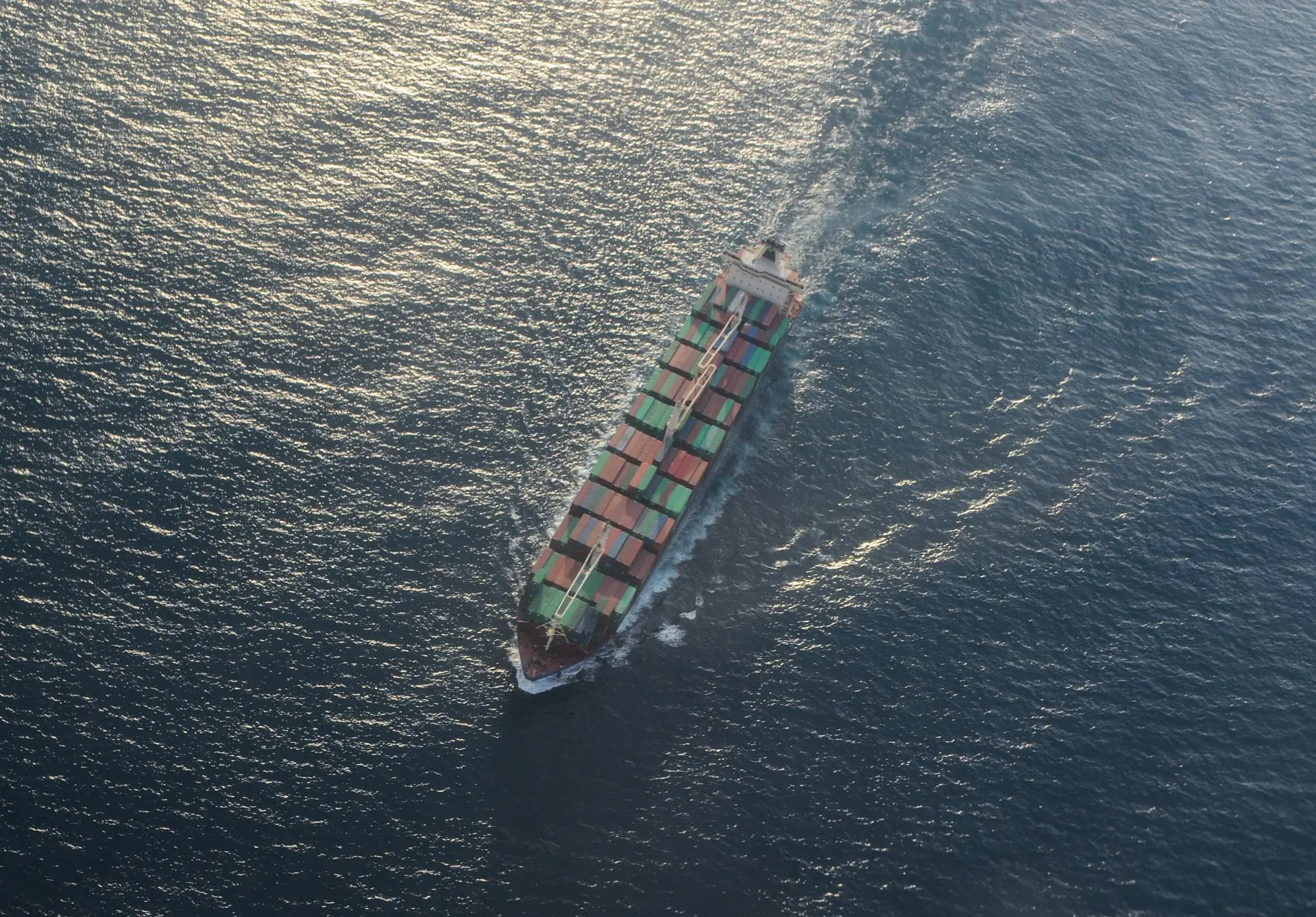
Ocean Freight Forwarding
FCL, LCL and specialised equipment on the main east–west and transatlantic trades, with VGM, ISF and free time managed as part of every booking.
Coordinating global freight with precision.
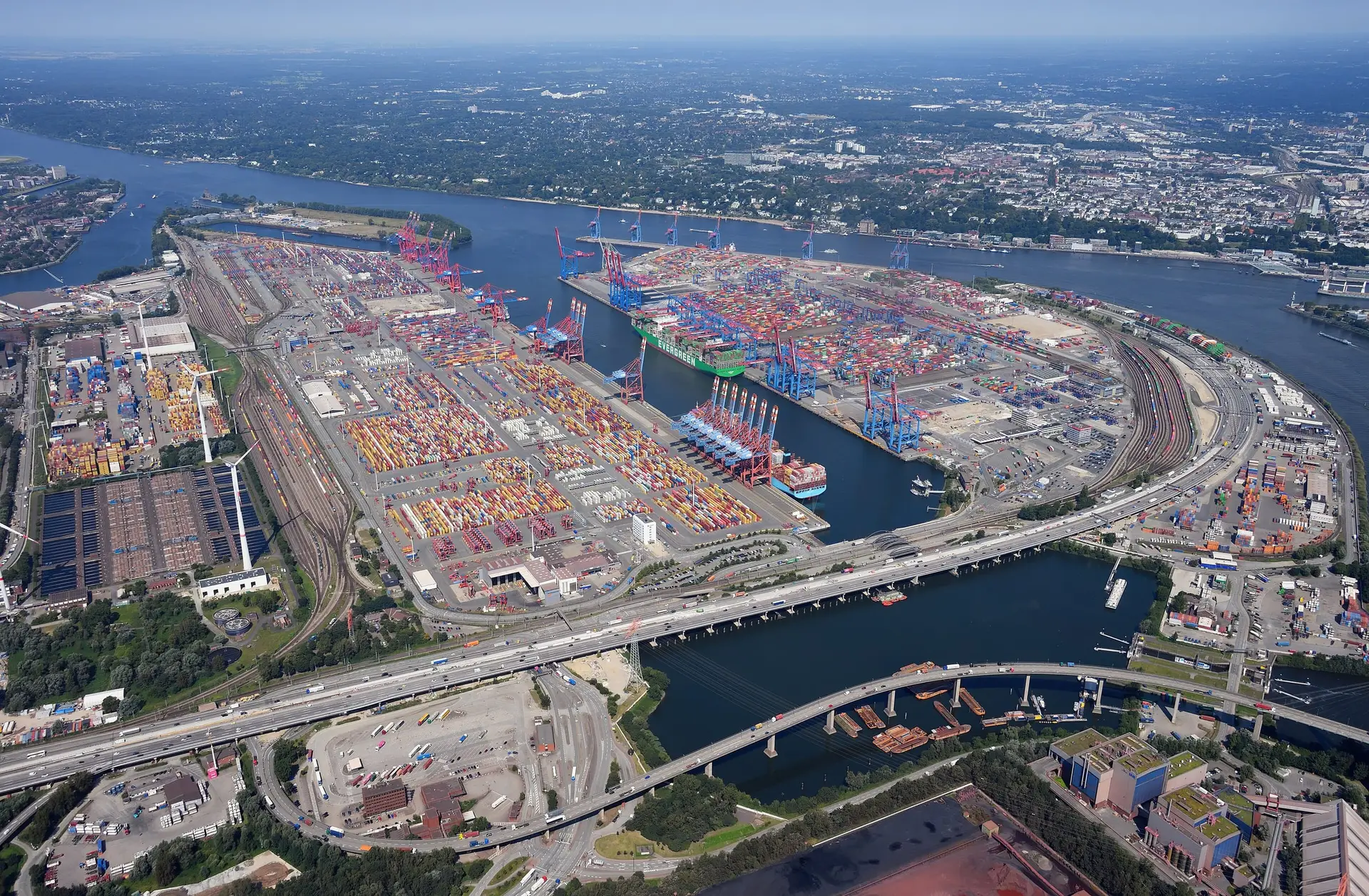
Logistics / Compliance
Accurate classification, documented origin and filings lodged on time. We coordinate every entry with licensed brokers so your goods clear without avoidable delay.
In practice
The Harmonized System code assigned to a product determines its duty rate, whether it needs a licence, whether another agency has to sign off, and whether it qualifies for preferential treatment under a trade agreement. The first six digits are internationally common; national tariffs extend them further, and those extra digits set the duty.
Classification is a legal determination, and under US law the importer of record carries the liability for it, whoever physically filed the entry. We review classification against the actual goods and their commercial documentation, and escalate ambiguous positions to a licensed broker for a formal opinion.
Country of origin is where the goods were produced or last substantially transformed, which can differ from the country they were exported from. It drives preferential duty rates under agreements such as USMCA, and it drives exposure to trade remedies, additional duties and quotas.
A preference claim needs supporting evidence on file, because it can be audited years later with interest and penalties attached. Where a preference claim is available, we identify the documentation required before it is claimed.
US import runs on a sequence of filings with their own separate clocks. The Importer Security Filing is due at least 24 hours before foreign loading. The entry can often be lodged before arrival, which allows a container to move straight off the terminal. The entry summary and duty payment follow within a statutory window after release.
We manage each as a separate dated milestone on the shipment file, because each has its own deadline and its own consequence if missed.
Capabilities
Import and export entries prepared and lodged through licensed customs brokers in the clearing jurisdiction.
HS and national tariff classification checked against the goods and their documentation, with escalation for binding rulings where the position is unclear.
Importer Security Filing and advance cargo information lodged against their own deadlines, ahead of the sailing or the flight.
Landed cost modelling including duty, additional duties and fees, with preference eligibility assessed against the evidence available.
Movement of uncleared cargo under bond to an inland clearance point, or through a territory under transit procedure.
Coordination where a commodity also requires clearance from a food, drug, agriculture or transport regulator.
Sequence
We establish what the goods are, who the importer of record is and which Incoterm applies, because those three answers set every obligation that follows.
Tariff classification is reviewed and the landed duty position modelled, including additional duties and any preference that can be properly evidenced.
Security filings and advance cargo information are lodged against their own deadlines, well ahead of departure.
The entry is prepared with a licensed broker and lodged so release is available on or before arrival.
Entry summary, duty payment and any correction are tracked to close, and the documentation set is filed for the statutory retention period.
Questions
Customs entries in the United States are filed by a licensed customs broker. We coordinate the clearance and prepare the documentation set with brokers holding the licence in the relevant jurisdiction, so responsibility sits with the correctly licensed party and you have a single point of contact for the whole movement.
Under US law the importer of record is responsible for the accuracy of the entry, including classification, valuation and origin, regardless of who prepared it. We review classification against the goods themselves on every shipment and escalate ambiguous positions for a formal ruling.
Under Delivered Duty Paid the seller carries cost and risk through to the named destination and is responsible for import clearance and duty. It is the most demanding Incoterm for a seller, and it usually requires either a presence or a fiscal representative in the destination country.
US importers are generally required to retain entry records for five years from the date of entry. Because a post-entry audit reaches back across that period, the practical requirement is a complete, retrievable file per shipment: the entry, the commercial documents and any evidence behind an origin or preference claim.
Reference
Reference data to help you plan shipments and compare quotations.
Indicative statutory timings. Your broker confirms them per entry.
The Incoterm decides which party carries the customs obligation.
Also relevant
FCL, LCL and specialised equipment on the main east–west and transatlantic trades, with VGM, ISF and free time managed as part of every booking.

Time-critical and high-value cargo on established airline and handling partners, with chargeable weight, screening and documents confirmed before booking.

FTL, LTL, port drayage and cross-border trucking that connect every other mode to your loading dock.