
Managed Logistics Operations
Defined operational responsibility inside your warehouse or logistics site: setup, workforce coordination, KPI control and process improvement.
Coordinating global freight with precision.
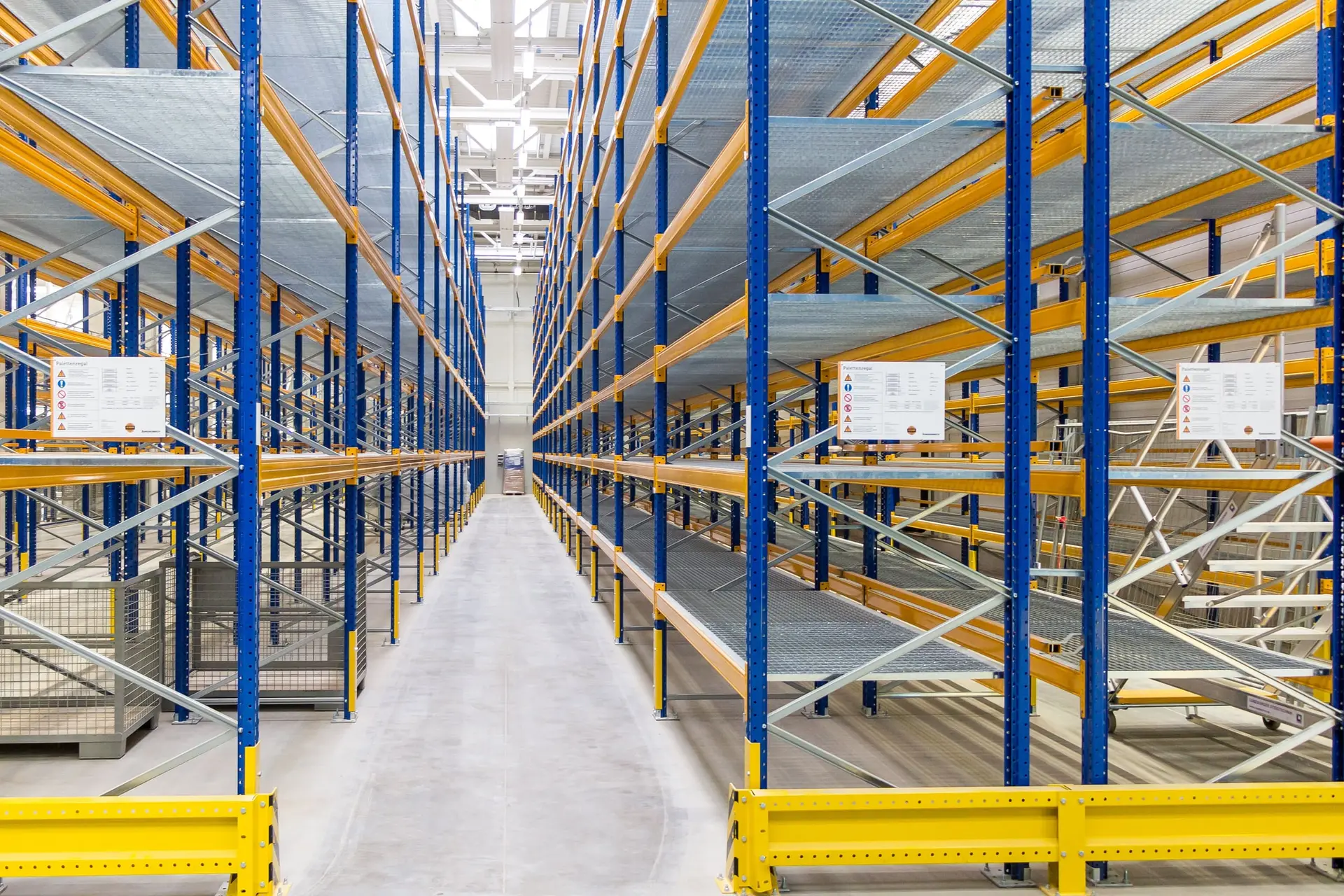
Logistics / Fulfillment
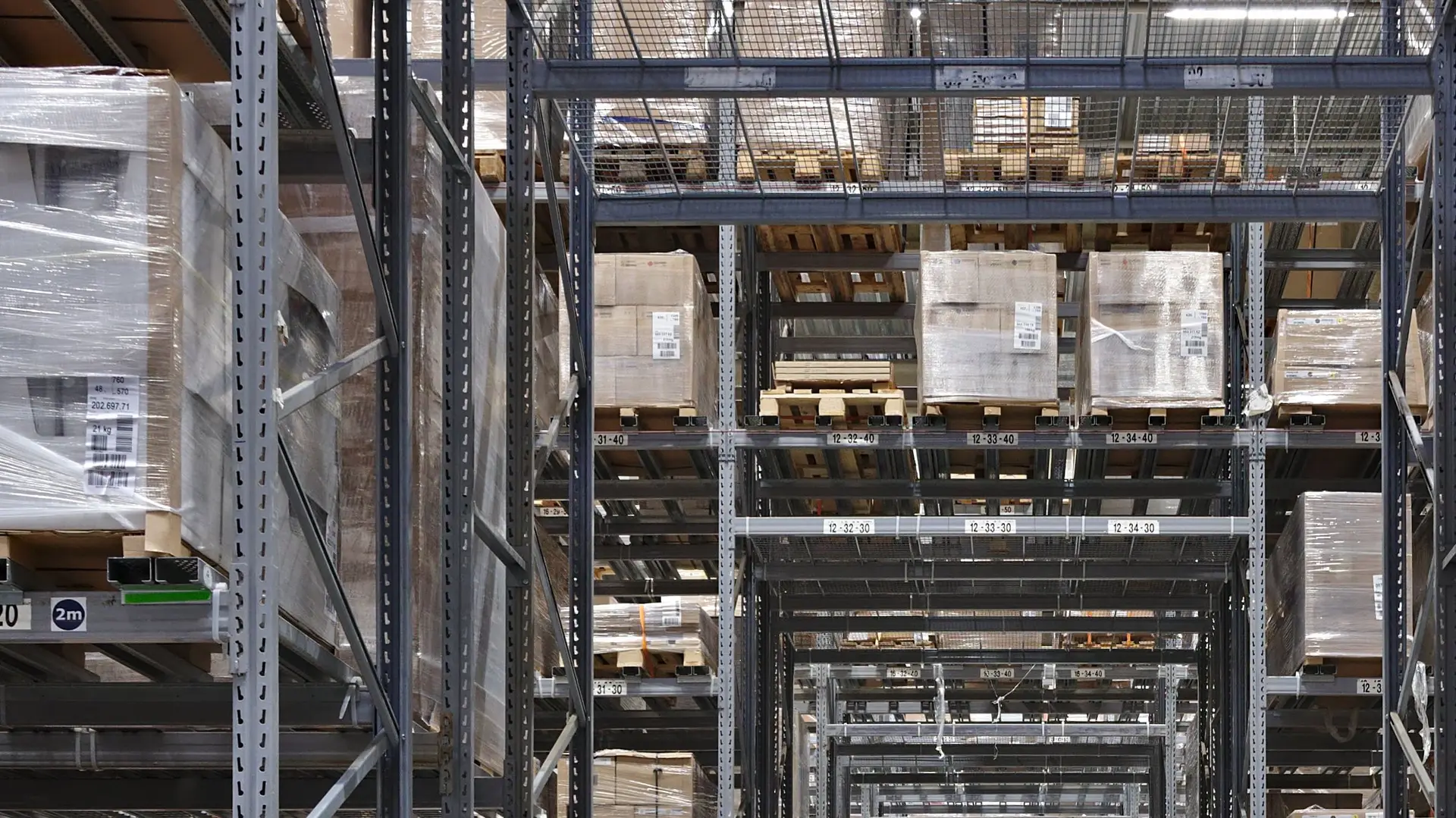
Receiving, storage, picking and dispatch run against regular physical counts, so the stock on your report is the stock on the shelf and every order ships complete.
In practice
Inventory accuracy is set at receiving. A pallet booked in against an advance shipping notice without physical verification carries any error into every downstream count.
We reconcile physical receipt against the ASN and the purchase order at the point of receipt, quarantine anything that does not match and raise the discrepancy immediately. That discipline on the inbound dock speeds up every process after it.
Industrial and corporate orders are rarely uniform. The same SKU might ship as a single piece to one customer, a full case to another and a pallet to a third. Slotting the warehouse to the dominant unit of measure keeps labour per order down.
We set the pick face by actual order profile, with fast-moving lines in the most accessible locations and case and pallet picks routed away from piece-pick congestion, and revisit the slotting as the profile shifts.
Cycle counting samples stock continuously, weighted so high-value and fast-moving lines are counted most often, with no annual wall-to-wall shutdown.
Each variance is traced to a cause (a mis-pick, a mis-receipt, a location error) and the cause is fixed. Accuracy is reported to you as a measured figure every period.
Capabilities
Physical verification against advance shipping notice and purchase order, with discrepancies quarantined and raised at receipt.
Location assignment driven by velocity and unit of measure, reviewed as the order profile changes.
Piece, case and pallet picking with packing to carrier and destination requirements, and documentation raised at dispatch.
Cycle counting weighted by value and velocity, with variance traced to cause and accuracy reported per period.
Receipt, inspection and disposition of returned goods (restock, repair, hold or scrap) under agreed rules.
FIFO and FEFO handling for date-coded, batch-controlled or shelf-life sensitive stock.
Sequence
SKU count, order profile, unit of measure mix, storage requirements and any batch, serial or shelf-life control are established before layout is agreed.
Locations, pick faces and rotation rules are configured, and the data interface with your system is agreed and tested before live stock arrives.
Inbound is verified against the ASN, discrepancies are quarantined and raised, and stock is put away to its assigned location.
Orders are released, picked to the correct unit of measure, packed to destination requirements and dispatched with documentation raised.
Cycle counts run continuously, variances are traced to cause, and accuracy and service measures are reported on an agreed cadence.
Questions
A well-run B2B operation on cycle counting typically holds inventory accuracy in the high nineties at unit level. Equally important is that each variance is traced to a cause and corrected.
Yes. The integration method (file exchange, EDI or API) is agreed during setup and tested against real order and stock data before go-live. We also agree which system holds the master record for stock, so both systems stay aligned.
Returns are received against an authorisation, inspected, and dispositioned under rules agreed with you in advance: restock, repair, hold for inspection or scrap. Agreed rules keep returned goods moving through the operation.
Yes. FIFO and FEFO rotation, lot traceability through the pick, and serial-level identity where required are all supported. We define these controls at setup, so traceability applies from the first receipt.
Reference
Reference data to help you plan shipments and compare quotations.
The metrics we report against. Targets are agreed per account.
Also relevant
Defined operational responsibility inside your warehouse or logistics site: setup, workforce coordination, KPI control and process improvement.
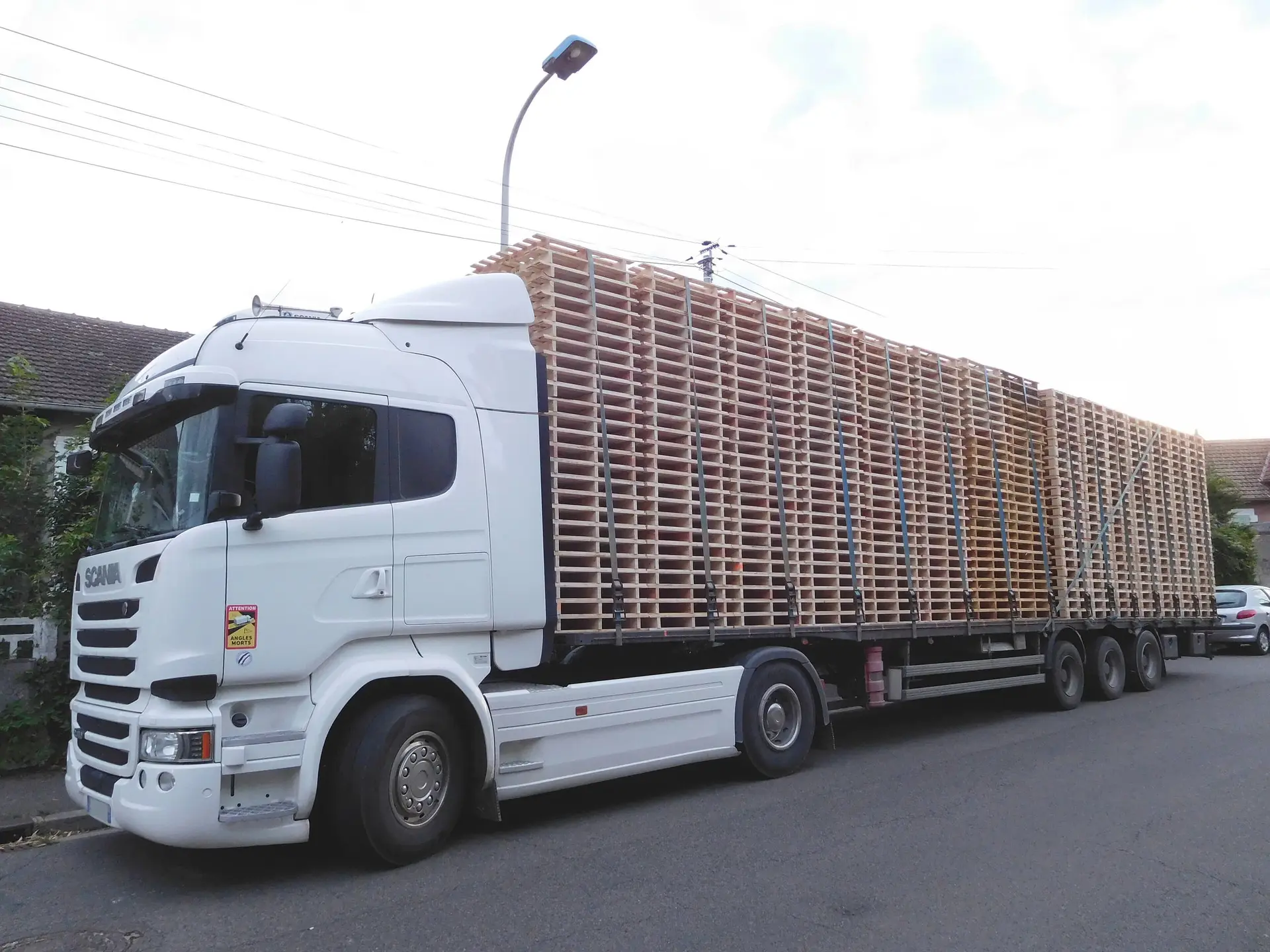
Recovering transport equipment, returnable packaging and returned goods through the same network that delivered them.

FTL, LTL, port drayage and cross-border trucking that connect every other mode to your loading dock.